
Class 12 : Biology (English) – Lesson 6: Evolution

EXPLANATION & SUMMARY
🌟 Introduction
🔵 Evolution is the study of how life forms have changed over time.
🟢 It explains diversity of life, origin of species, and adaptations.
🟠 Charles Darwin’s theory of natural selection is the cornerstone of modern evolutionary biology.
🔴 The NCERT chapter covers concepts from origin of life to molecular evidence of evolution.
🌍 Origin of Life
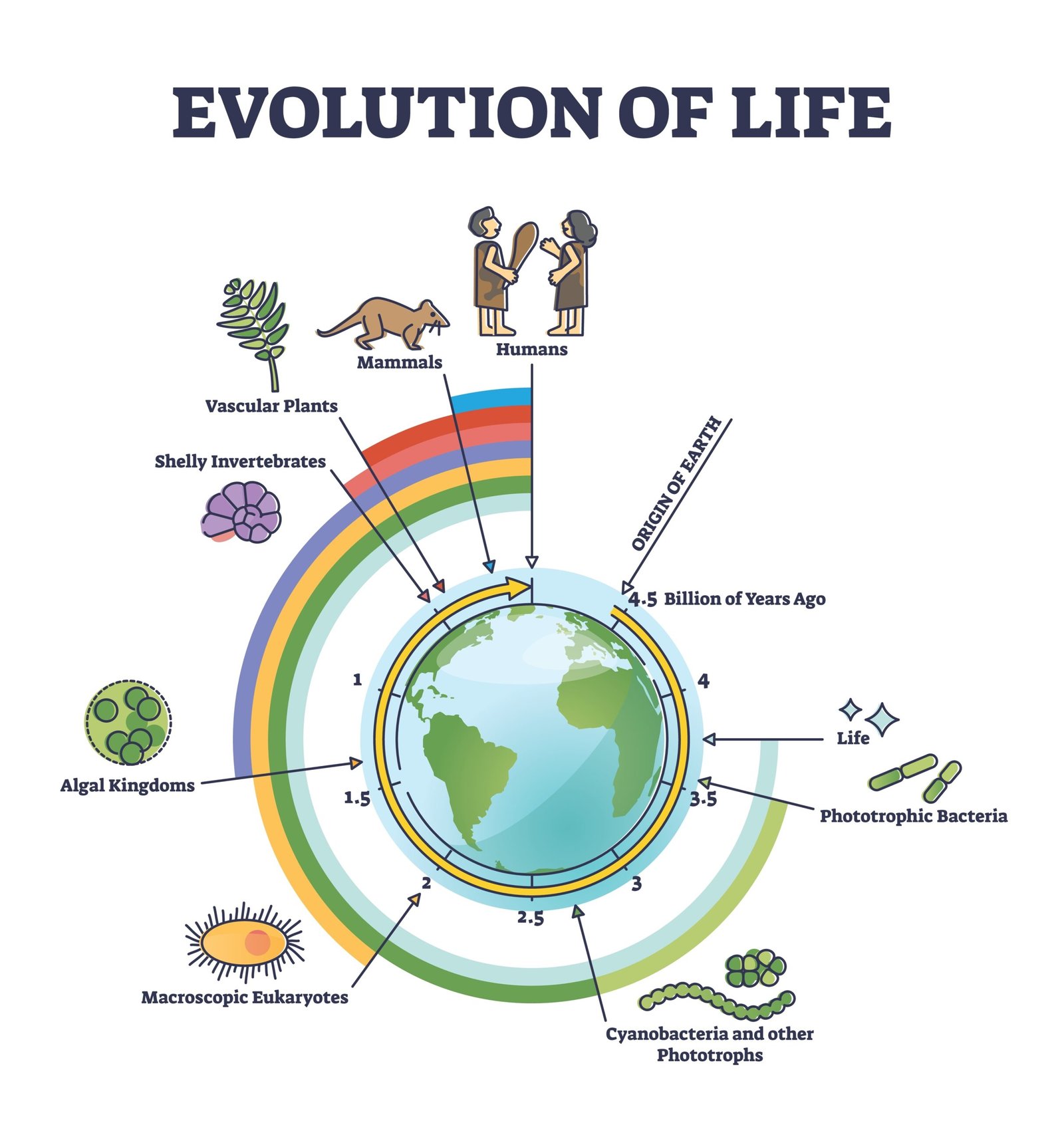
✨ Abiogenesis Hypothesis
Early Greek philosophers suggested life originated spontaneously from non-living matter.
✨ Oparin–Haldane Theory
Primitive Earth had reducing atmosphere: CH₄, NH₃, H₂, H₂O vapour.
Energy from UV rays, lightning → organic molecules.
✨ Miller–Urey Experiment (1953)
Created conditions of primitive Earth in lab.
Mixture of CH₄, NH₃, H₂, water vapour + electric discharge → amino acids formed.
✔️ Proved organic molecules could form under primitive Earth conditions.
🦠 Theories of Evolution
🔹 Lamarckism (Inheritance of Acquired Characters)
✏️ Example: Giraffe’s neck elongation due to stretching.
⚠️ Rejected due to lack of experimental evidence.
🔹 Darwinism (Natural Selection)
✔️ Variations exist among organisms.
✔️ Struggle for existence leads to survival of the fittest.
✔️ Favourable variations inherited → new species.
🔹 Mutation Theory (de Vries)
✔️ Sudden, large variations (mutations) cause evolution.
🧬 Evidences of Evolution


🔵 Morphological & Anatomical
Homologous organs (e.g., forelimbs of man, whale, bat).
Analogous organs (e.g., wings of butterfly vs. bird).
🟢 Palaeontological
Fossils show gradual changes (e.g., horse evolution).
🟠 Embryological
Early embryos of vertebrates resemble each other.
🔴 Molecular Biology
Similarities in DNA, RNA, proteins among species indicate common ancestry.

🐒 Human Evolution
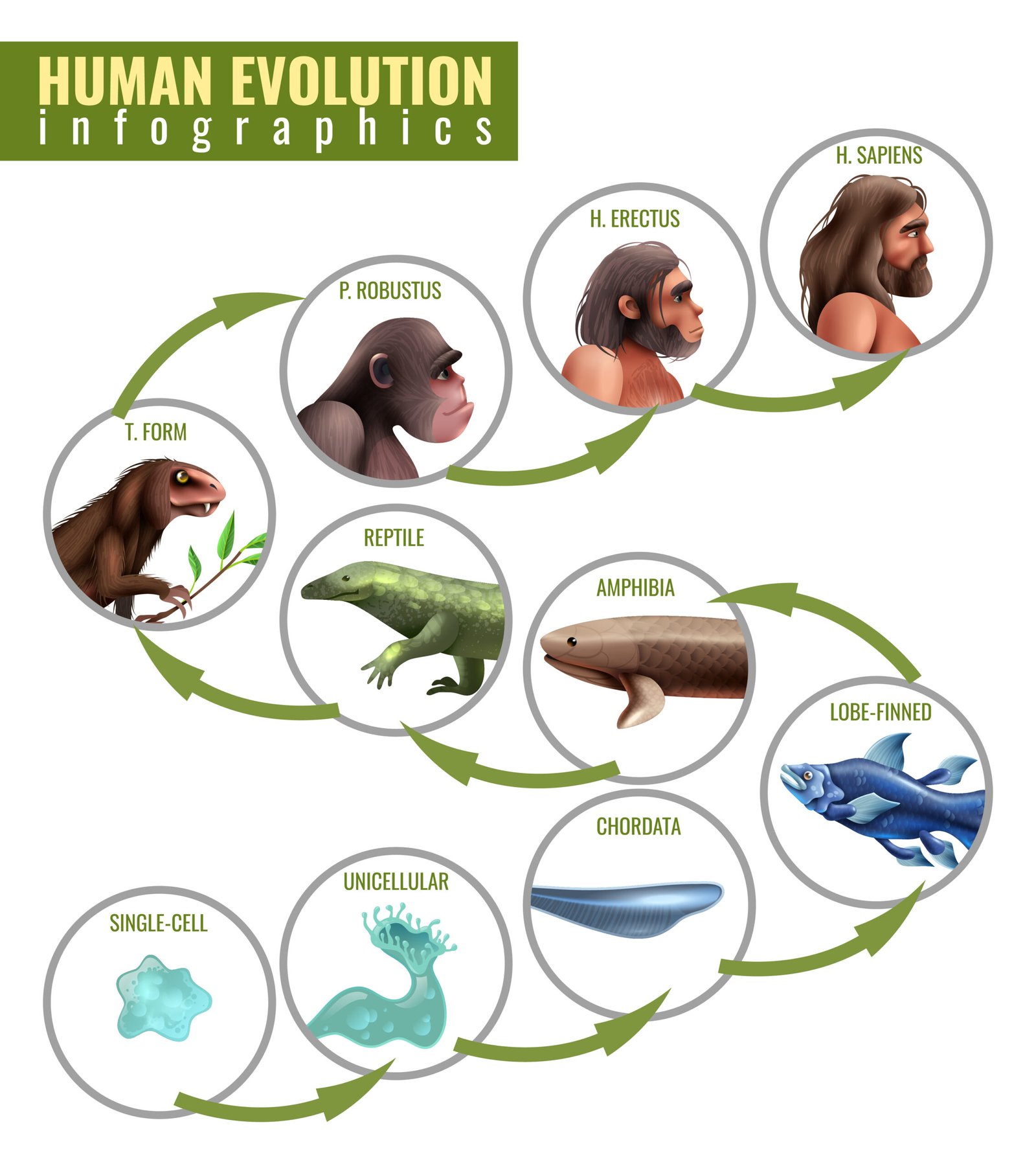
Dryopithecus & Ramapithecus: earliest primates.
Australopithecus: ape-like + human-like features.
Homo habilis: first tool maker.
Homo erectus: discovered fire.
Homo sapiens: modern humans, appeared ~75,000–10,000 years ago.

📊 Hardy–Weinberg Principle
💡 States: Gene frequencies in a population remain constant if no evolutionary forces act.
Formula: p² + 2pq + q² = 1
p = frequency of dominant allele
q = frequency of recessive allele
Conditions:
✔️ No mutation
✔️ Random mating
✔️ Large population
✔️ No migration
✔️ No selection
Deviation from principle = evolutionary change.
🌿 Factors Affecting Evolution
🔹 Mutation
🔹 Genetic drift
🔹 Gene flow (migration)
🔹 Natural selection
🔹 Recombination
📝 Summary (~300 words)
Evolution explains the diversity of life and its gradual transformation. Early theories like Lamarckism suggested acquired traits could be inherited, but Darwin’s theory of natural selection provided a scientific basis. De Vries highlighted the role of mutations in evolution.
Evidences of evolution come from comparative anatomy (homologous and analogous organs), fossils, embryology, and molecular studies. Hardy–Weinberg equilibrium mathematically explains genetic stability in populations, with deviations indicating evolutionary change. Factors like mutation, selection, genetic drift, and gene flow drive this change.
The origin of life is explained by Oparin–Haldane theory and supported experimentally by Miller–Urey. Human evolution traces a gradual lineage from Dryopithecus to Homo sapiens, with adaptations like bipedalism, larger brain, and cultural development.
Thus, evolution integrates multiple evidences and principles, forming the foundation of modern biology.
🎯 Quick Recap
🟦 Origin of life → Oparin–Haldane, Miller–Urey
🟩 Theories → Lamarckism, Darwinism, Mutation theory
🟨 Evidences → Anatomy, fossils, embryology, molecular
🟧 Human evolution → Australopithecus → Homo habilis → Homo erectus → Homo sapiens
🟪 Hardy–Weinberg → p² + 2pq + q² = 1
🟫 Factors → Mutation, drift, gene flow, selection
————————————————————————————————————————————————————————————————————————————
QUESTIONS FROM TEXTBOOK
🔬🦠 Q1. Explain antibiotic resistance observed in bacteria in light of Darwinian selection theory.
🌱✔️ Answer:
🔵 Random mutations occur naturally in bacterial populations.
🟢 Some mutations confer antibiotic resistance.
🧬 When antibiotic is applied → 💀 sensitive bacteria die.
🦠 Resistant bacteria survive ➡️ multiply ➡️ pass on resistance genes.
🌍 This is natural selection in action: “Survival of the fittest”.
📜🦴 Q2. Find out from newspapers and popular science articles any new fossil discoveries or controversies about evolution.
🌱✔️ Answer:
🟢 New fossils like feathered dinosaurs in China support link between reptiles & birds.
🟡 Fossil Homo naledi discovered in South Africa enriched human lineage knowledge.
🦕 Controversies exist regarding the exact ancestor of modern humans.
💡 Science evolves with new discoveries, refining evolutionary theories.
🌳🐒 Q3. Attempt giving a clear definition of the term species.
🌱✔️ Answer:
🔵 Species: A group of organisms capable of interbreeding naturally and producing fertile offspring.
🦓 Example: Horse × Donkey → Mule (sterile), showing they are separate species.
🧬 Species represent the basic unit of evolution.
🧠👣 Q4. Trace the various components of human evolution.
🌱✔️ Answer:
🧬 Brain size & function: from ~600 cc (Australopithecus) ➡️ ~1450 cc (Homo sapiens).
🦴 Skeletal structure: pelvis broad, limbs adapted to bipedalism.
🥩 Diet: shift from plant-based → omnivorous, tool-based food gathering.
🔥 Culture & tools: Homo habilis (stone tools), Homo erectus (fire), Homo sapiens (art, culture).
🐬🐘 Q5. Find out whether animals other than man have self-consciousness.
🌱✔️ Answer:
🟢 Mirror test studies show dolphins, apes, elephants, magpies have self-recognition.
🧠 However, complex self-consciousness (language, abstract thought, morals) ➡️ unique to humans.
🦖🦒 Q6. List 10 modern-day animals and link them with corresponding fossils.
🌱✔️ Answer:
1️⃣ 🐎 Horse — Eohippus
2️⃣ 🐘 Elephant — Mastodon
3️⃣ 🐪 Camel — Protylopus
4️⃣ 🐋 Whale — Ambulocetus
5️⃣ 👨 Human — Australopithecus
6️⃣ 🐦 Bird — Archaeopteryx
7️⃣ 🐅 Tiger — Smilodon (Saber-toothed cat)
8️⃣ 🐕 Dog — Leptocyon
9️⃣ 🐊 Crocodile — Deinosuchus
🔟 🐟 Coelacanth (living fossil)
✏️🌿 Q7. Practise drawing various animals and plants.
🌱✔️ Answer:
🎨 Draw horse evolution stages, 🦕 dinosaurs, 🐦 Archaeopteryx, 🌱 plant fossils.
📚 Helps compare modern forms vs. ancient fossils.
🌈🦜 Q8. Describe one example of adaptive radiation.
🌱✔️ Answer:
🟢 Darwin’s finches (Galápagos Islands):
🌾 Different beaks adapted for seeds.
🐛 Others for insects.
🌸 Some for nectar.
➡️ One ancestor diversified → many species in different niches.
🧬👨 Q9. Can we call human evolution adaptive radiation?
🌱✔️ Answer:
🟢 Yes: Within genus Homo, multiple species (habilis, erectus, sapiens) arose.
🦴 Each adapted to different environments, diets, tools.
⚠️ But extent is less dramatic than finches or marsupials.
🐎⏳ Q10. Trace evolutionary stages of horse.
🌱✔️ Answer:
1️⃣ Eohippus (Hyracotherium): 🌳 Small, 4 toes, lived in forests.
2️⃣ Mesohippus: 🌾 3 toes, larger, adapted to grasslands.
3️⃣ Merychippus: 🐎 Middle toe dominant, grazing teeth.
4️⃣ Pliohippus: 🚀 Single strong toe, fast runner.
5️⃣ Equus (modern horse): 🐎 One hoof, long limbs, advanced grazers.
————————————————————————————————————————————————————————————————————————————
OTHER IMPORTANT QUESTIONS FOR EXAMS
(CBSE MODEL QUESTIONS PAPER)
ESPECIALLY MADE FROM THIS LESSON ONLY
🔹 Q1. 🧬🌍 Which set best represents primitive Earth’s reducing atmosphere in Oparin–Haldane theory?
🔵 (A) CO₂, O₂, N₂
🟢 (B) CH₄, NH₃, H₂, H₂O vapour
🟠 (C) O₂, O₃, N₂
🔴 (D) CO₂, O₂, H₂O
✔️ Answer: (B) CH₄, NH₃, H₂, H₂O vapour
🔹 Q2. 🧪⚡ Miller–Urey apparatus simulated early Earth. The first organic compounds detected were mainly:
🔵 (A) Polysaccharides
🟢 (B) Amino acids
🟠 (C) DNA
🔴 (D) Triglycerides
✔️ Answer: (B) Amino acids
🔹 Q3. 🦋🌳 Wings of a butterfly and a bird are:
🔵 (A) Homologous
🟢 (B) Analogous
🟠 (C) Vestigial
🔴 (D) Atavistic
✔️ Answer: (B) Analogous
🔹 Q4. 🐳🖐 Forelimbs of whale, bat and human are:
🔵 (A) Analogous
🟢 (B) Homologous
🟠 (C) Vestigial
🔴 (D) Convergent traits
✔️ Answer: (B) Homologous
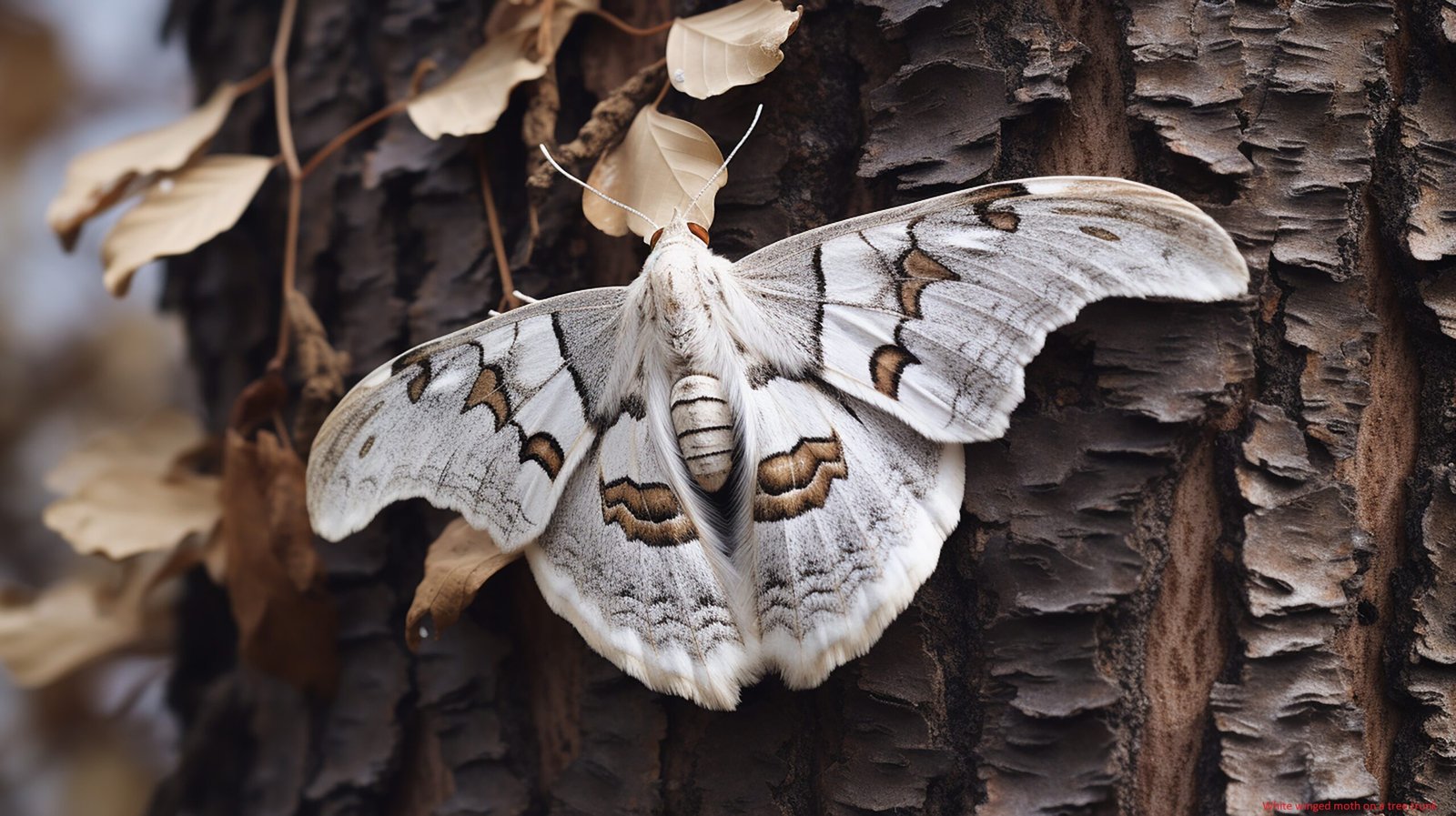
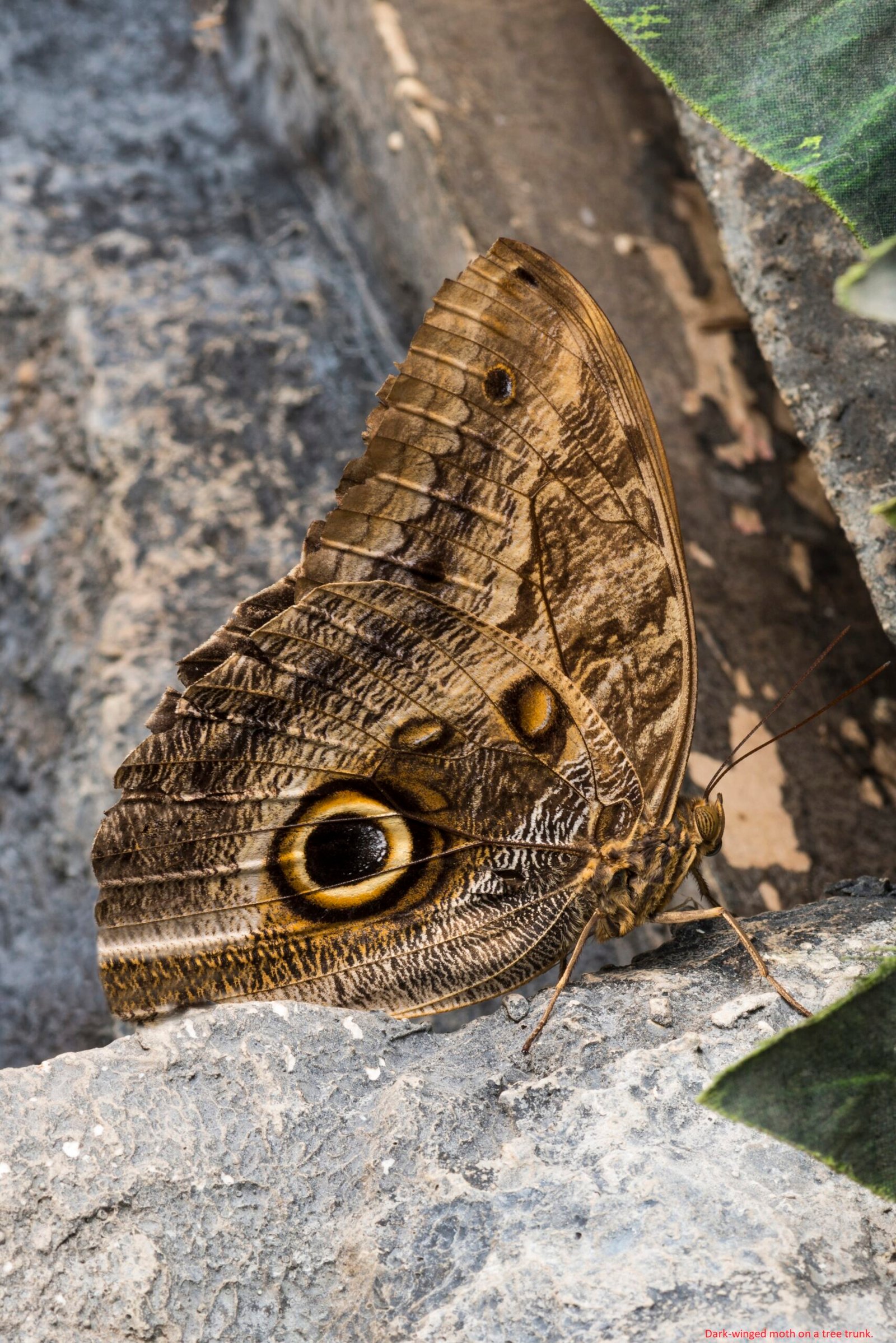
🔹 Q5. 🌫️🦋 Industrial melanism in peppered moths supports:
🔵 (A) Lamarckism
🟢 (B) Natural selection
🟠 (C) Neutral evolution
🔴 (D) Catastrophism
✔️ Answer: (B) Natural selection
🔹 Q6. 🧮 Gene-pool stability in a large randomly mating population is expressed by:
🔵 (A) p + q = 1
🟢 (B) p² + 2pq + q² = 1
🟠 (C) p² − q² = 1
🔴 (D) 2p + q = 1
✔️ Answer: (B) p² + 2pq + q² = 1
🔹 Q7. 🧊➡️🌱 The first life forms (prokaryotes) are thought to have appeared in:
🔵 (A) Ozone-rich atmosphere
🟢 (B) Reducing atmosphere
🟠 (C) Oxygenic atmosphere
🔴 (D) Indoor lab settings only
✔️ Answer: (B) Reducing atmosphere
🔹 Q8. 🧬 Genetic drift (founder effect) is most pronounced in:
🔵 (A) Very large populations
🟢 (B) Small isolated populations
🟠 (C) Panmictic continental populations
🔴 (D) Only asexual populations
✔️ Answer: (B) Small isolated populations
🔹 Q9. 🐦🌋 Adaptive radiation is best illustrated by:
🔵 (A) Darwin’s finches
🟢 (B) Hydra budding
🟠 (C) Binary fission in E. coli
🔴 (D) Parthenogenesis in aphids
✔️ Answer: (A) Darwin’s finches
🔹 Q10. 🧠🔥 In human evolution, the first confirmed tool-maker was:
🔵 (A) Homo erectus
🟢 (B) Homo habilis
🟠 (C) Australopithecus afarensis
🔴 (D) Homo sapiens sapiens
✔️ Answer: (B) Homo habilis
🔹 Q11. 🦖🕊 Archaeopteryx is considered a “connecting link” because it has:
🔵 (A) Only reptilian features
🟢 (B) Only avian features
🟠 (C) Both reptilian (teeth, tail) and avian (feathers) traits
🔴 (D) Only mammalian traits
✔️ Answer: (C) Both reptilian (teeth, tail) and avian (feathers) traits
🔹 Q12. 🧪🧬 “Use and disuse” of organs and inheritance of acquired characters was proposed by:
🔵 (A) Darwin
🟢 (B) Lamarck
🟠 (C) de Vries
🔴 (D) Wallace
✔️ Answer: (B) Lamarck
🔹 Q13. 🦋🌫️ Assertion (A): Industrial melanism is evidence for natural selection.
Reason (R): Dark moths had higher survival on soot-darkened trees due to reduced predation.
🔵 (1)
🟢 (2)
🟠 (3)
🔴 (4)
✔️ Answer: (1)
🔹 Q14. 🧬📊 Assertion (A): Evolution is a change in allele frequencies across generations.
Reason (R): Hardy–Weinberg equilibrium describes conditions under which allele frequencies remain constant.
🔵 (1)
🟢 (2)
🟠 (3)
🔴 (4)
✔️ Answer: (2)
🔹 Q15. 🐒🌍 Define speciation.
✔️ Answer: Formation of new species from ancestral populations through reproductive isolation and divergence.
🔹 Q16. 🧬🧠 Differentiate (one point each): Homology vs Analogy.
✔️ Answer: Homology = common ancestry with divergent functions (human arm vs whale flipper); Analogy = convergent function with different ancestry (bird wing vs insect wing).
🔹 Q17. 🧮🧬 In a population, recessive phenotype frequency (q²) = 0.16. Calculate q and p (Hardy–Weinberg).
✔️ Answer (step-by-step):
q² = 0.16
q = sqrt(0.16) = 0.4
p = 1 − q = 1 − 0.4 = 0.6
🔹 Q18. 🧬🌱 Which one of the following is a vestigial organ in humans?
🔵 (A) Kidney
🟢 (B) Appendix
🟠 (C) Pancreas
🔴 (D) Liver
✔️ Answer: (B) Appendix
🔹 Q19. 🦠🧪 Which process introduces new alleles into a population gene pool?
🔵 (A) Genetic drift
🟢 (B) Mutation
🟠 (C) Natural selection
🔴 (D) Recombination
✔️ Answer: (B) Mutation
🔹 Q20. 🧮 If in a Hardy–Weinberg population, p = 0.7 and q = 0.3, what is the frequency of heterozygotes (2pq)?
🔵 (A) 0.21
🟢 (B) 0.42
🟠 (C) 0.49
🔴 (D) 0.09
✔️ Answer: (B) 0.42
🔹 Q21. 🌍🦕 Fossils provide which type of evidence for evolution?
🔵 (A) Comparative anatomy
🟢 (B) Biochemical
🟠 (C) Palaeontological
🔴 (D) Embryological
✔️ Answer: (C) Palaeontological
🔹 Q22. 🦋🌸 Natural selection is based on:
🔵 (A) Variations present in a population
🟢 (B) Absence of competition
🟠 (C) Occurrence of acquired characters
🔴 (D) Lack of mutations
✔️ Answer: (A) Variations present in a population
🔹 Q23. 🧠🐒 Arrange in correct sequence: Australopithecus, Homo habilis, Homo erectus, Homo sapiens.
🔵 (A) Homo erectus → Australopithecus → Homo habilis → Homo sapiens
🟢 (B) Australopithecus → Homo habilis → Homo erectus → Homo sapiens
🟠 (C) Australopithecus → Homo erectus → Homo habilis → Homo sapiens
🔴 (D) Homo habilis → Australopithecus → Homo erectus → Homo sapiens
✔️ Answer: (B) Australopithecus → Homo habilis → Homo erectus → Homo sapiens
🔹 Q24. 🐦🦖 Archaeopteryx shows evolutionary relationship between:
🔵 (A) Mammals and birds
🟢 (B) Reptiles and birds
🟠 (C) Amphibians and reptiles
🔴 (D) Fish and amphibians
✔️ Answer: (B) Reptiles and birds
🔹 Q25. 🧬 Which scientist gave mutation theory of evolution?
🔵 (A) Hugo de Vries
🟢 (B) Lamarck
🟠 (C) Darwin
🔴 (D) Wallace
✔️ Answer: (A) Hugo de Vries
🔹 Q26. 🌱🧪 Which experiment demonstrated DNA as genetic material?
🔵 (A) Hershey and Chase
🟢 (B) Griffith
🟠 (C) Meselson and Stahl
🔴 (D) Miller–Urey
✔️ Answer: (A) Hershey and Chase
🔹 Q27. 🦋🌳 Which is NOT a postulate of Darwin’s theory?
🔵 (A) Variations are heritable
🟢 (B) More individuals produced than survive
🟠 (C) Variations arise due to acquired characters
🔴 (D) Fittest survive
✔️ Answer: (C) Variations arise due to acquired characters
🔹 Q28. 🦠🧬 Which type of selection maintains polymorphism in a population?
🔵 (A) Stabilising selection
🟢 (B) Directional selection
🟠 (C) Disruptive selection
🔴 (D) Artificial selection
✔️ Answer: (C) Disruptive selection
🔹 Q29. 🐒🧠 Which hominid first used fire?
🔵 (A) Australopithecus
🟢 (B) Homo erectus
🟠 (C) Homo habilis
🔴 (D) Homo sapiens
✔️ Answer: (B) Homo erectus
🔹 Q30. 🌊🦠 According to Oparin and Haldane, first life arose in:
🔵 (A) Land surface
🟢 (B) Primitive oceans (soup of molecules)
🟠 (C) Atmosphere
🔴 (D) Volcanoes
✔️ Answer: (B) Primitive oceans (soup of molecules)
🔹 Q31. 🧬🦋 Which phenomenon best explains “microevolution”?
🔵 (A) Change in allele frequency within populations
🟢 (B) Origin of eukaryotic cells
🟠 (C) Evolution of whales from land mammals
🔴 (D) Evolution of Homo sapiens
✔️ Answer: (A) Change in allele frequency within populations
🔹 Q32. 🐘🦣 Fossil of “woolly mammoth” is evidence for:
🔵 (A) Coevolution
🟢 (B) Extinction
🟠 (C) Divergent evolution
🔴 (D) Vestigiality
✔️ Answer: (B) Extinction
🔹 Q33. 🧪🦠 Who disproved spontaneous generation of life by experiment with sterilised flasks?
🔵 (A) Louis Pasteur
🟢 (B) Darwin
🟠 (C) Lamarck
🔴 (D) Oparin
✔️ Answer: (A) Louis Pasteur
————————————————————————————————————————————————————————————————————————————