
Class 11 : Biology (In English) – Lesson 4. Animal Kingdom

EXPLANATION & SUMMARY
🔵 Introduction to Animal Kingdom
The animal kingdom includes multicellular, eukaryotic, heterotrophic organisms. These organisms show tissue differentiation, body organization, and diverse modes of reproduction and development.
🟢 Characteristics of Kingdom Animalia:
Multicellular and eukaryotic.
Heterotrophic (obtain food by ingestion).
Lack cell walls (unlike plants).
Show locomotion at some stage.
Possess nervous and muscle tissues (except a few lower forms).
Store carbohydrates as glycogen.
✏️ Note: Classification is based on features like body symmetry, coelom, germ layers, segmentation, notochord, and level of organization.
🔴 Basis of Classification
🟡 1. Levels of Organization
➡️ Animals show increasing complexity:
Cellular level: Cells are loosely arranged (e.g., sponges).
Tissue level: Similar cells form tissues (e.g., cnidarians).
Organ level: Tissues form organs (e.g., Platyhelminthes).
Organ system level: Organ systems (e.g., annelids, vertebrates).
🟡 2. Body Symmetry
➡️ Symmetry refers to the arrangement of body parts.
Asymmetrical: Cannot divide equally (e.g., sponges).
Radial symmetry: Can be divided into equal halves along many planes (e.g., cnidarians, echinoderms in larval stage).
Bilateral symmetry: Divided into mirror halves in one plane (e.g., humans, arthropods).
💡 Concept: Bilateral symmetry is linked with cephalization (head development).
🟡 3. Germ Layers
➡️ Layers formed during embryonic development.
Diploblastic: Two layers – ectoderm and endoderm (e.g., cnidarians).
Triploblastic: Three layers – ectoderm, mesoderm, and endoderm (e.g., annelids to chordates).
🟡 4. Coelom
➡️ Fluid-filled body cavity between body wall and gut.
Acoelomate: No body cavity (e.g., flatworms).
Pseudocoelomate: Body cavity not lined with mesoderm (e.g., roundworms).
Coelomate (Eucoelomate): True coelom (e.g., annelids, vertebrates).
✔️ True coelom arises from the mesoderm.
🟡 5. Segmentation
➡️ Division of body into repetitive units.
Unsegmented: No repetition (e.g., platyhelminthes).
Segmented: Repetition of body units (e.g., annelids, arthropods).
🟡 6. Notochord
➡️ A flexible rod-like structure supporting the body.
Present in chordates (at least in embryonic stage).
Absent in non-chordates.
🧠 Chordates = animals with notochord
🧠 Non-chordates = animals without notochord
🔵 Classification of Animals (Based on Phyla)
There are broad phyla under Kingdom Animalia:
🟣 1. Phylum – Porifera (Sponges)
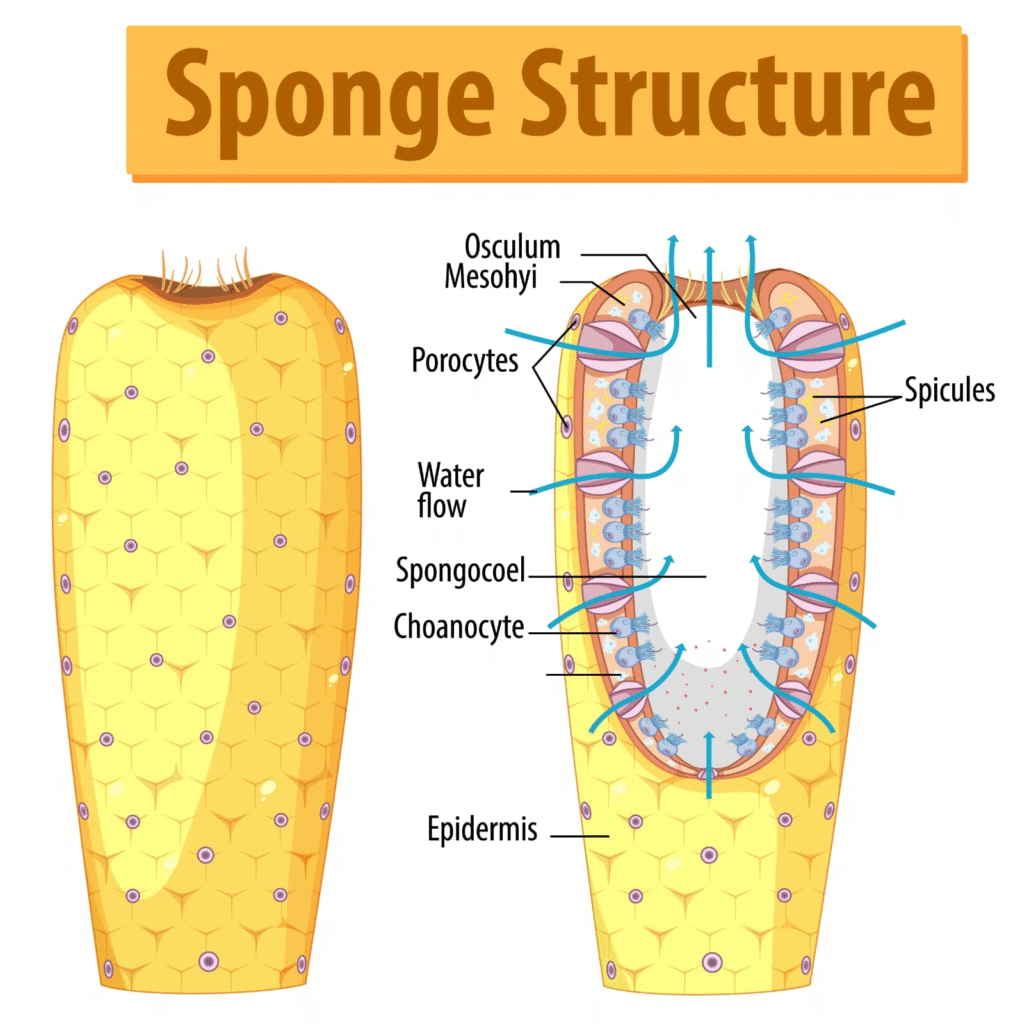
✔️ Simplest animals
✔️ Cellular level organization
✔️ Asymmetrical
✔️ Water canal system (for circulation)
✔️ Internal skeleton of spicules
🌿 Examples: Sycon, Spongilla, Euspongia
🟣 2. Phylum – Cnidaria (Coelenterata)
✔️ Tissue level of organization
✔️ Radial symmetry
✔️ Diploblastic
✔️ Body forms: polyp and medusa
✔️ Cnidoblasts for defense and capturing prey
🌿 Examples: Hydra, Jellyfish, Sea anemone

Jellyfish
🟣 3. Phylum – Ctenophora
✔️ Commonly called sea walnuts
✔️ Radially symmetrical, diploblastic
✔️ Tissue level organization
✔️ Eight comb plates for locomotion
✔️ Bioluminescent
🌿 Examples: Pleurobrachia, Ctenoplana
🟣 4. Phylum – Platyhelminthes (Flatworms)
✔️ Triploblastic, acoelomate
✔️ Bilateral symmetry
✔️ Organ level of organization
✔️ Flame cells for excretion
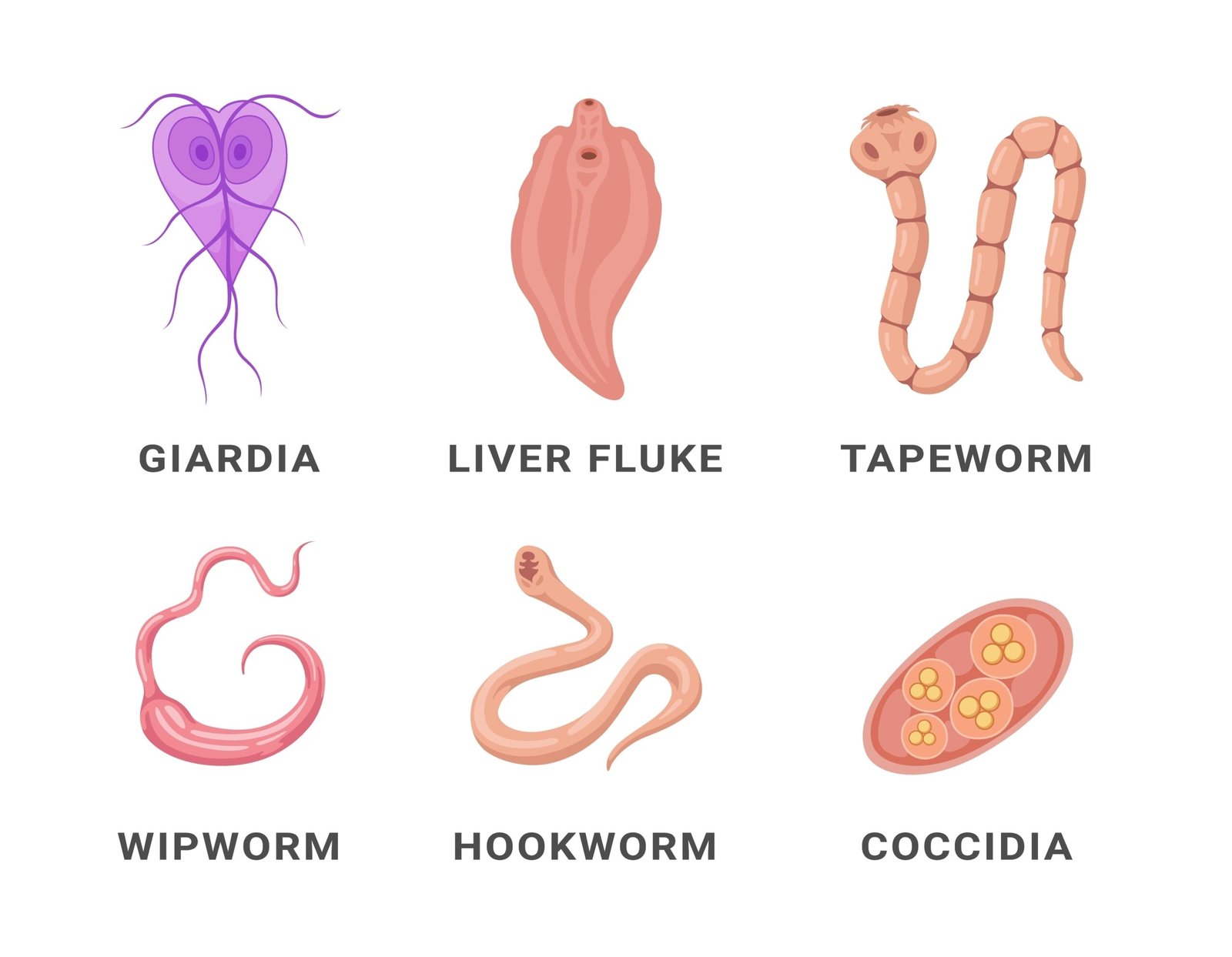
🌿 Examples: Planaria, Liver fluke, Tapeworm
🟣 5. Phylum – Nematoda (Roundworms)
✔️ Pseudocoelomate
✔️ Bilateral symmetry, triploblastic
✔️ Organ system level
✔️ Complete digestive system
🌿 Examples: Ascaris, Wuchereria, Ancylostoma
🟣 6. Phylum – Annelida
✔️ Triploblastic, coelomate
✔️ Metameric segmentation
✔️ Closed circulatory system
✔️ Nephridia for excretion
🌿 Examples: Earthworm, Leeches, Nereis
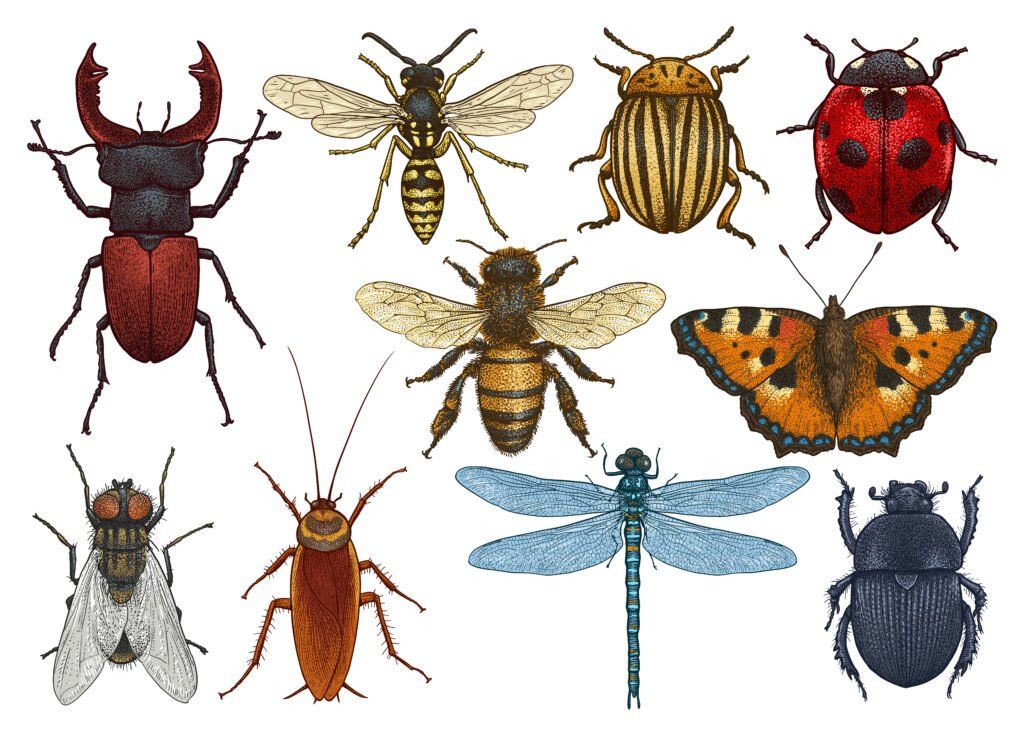
🟣 7. Phylum – Arthropoda
✔️ Largest phylum
✔️ Jointed appendages
✔️ Chitinous exoskeleton
✔️ Open circulatory system
🌿 Examples: Insects, Prawns, Spiders, Scorpions
🟣 8. Phylum – Mollusca
✔️ Second largest phylum
✔️ Body soft, unsegmented
✔️ Muscular foot, visceral mass, mantle
✔️ Calcareous shell
🌿 Examples: Snail, Octopus, Mussel, Pila
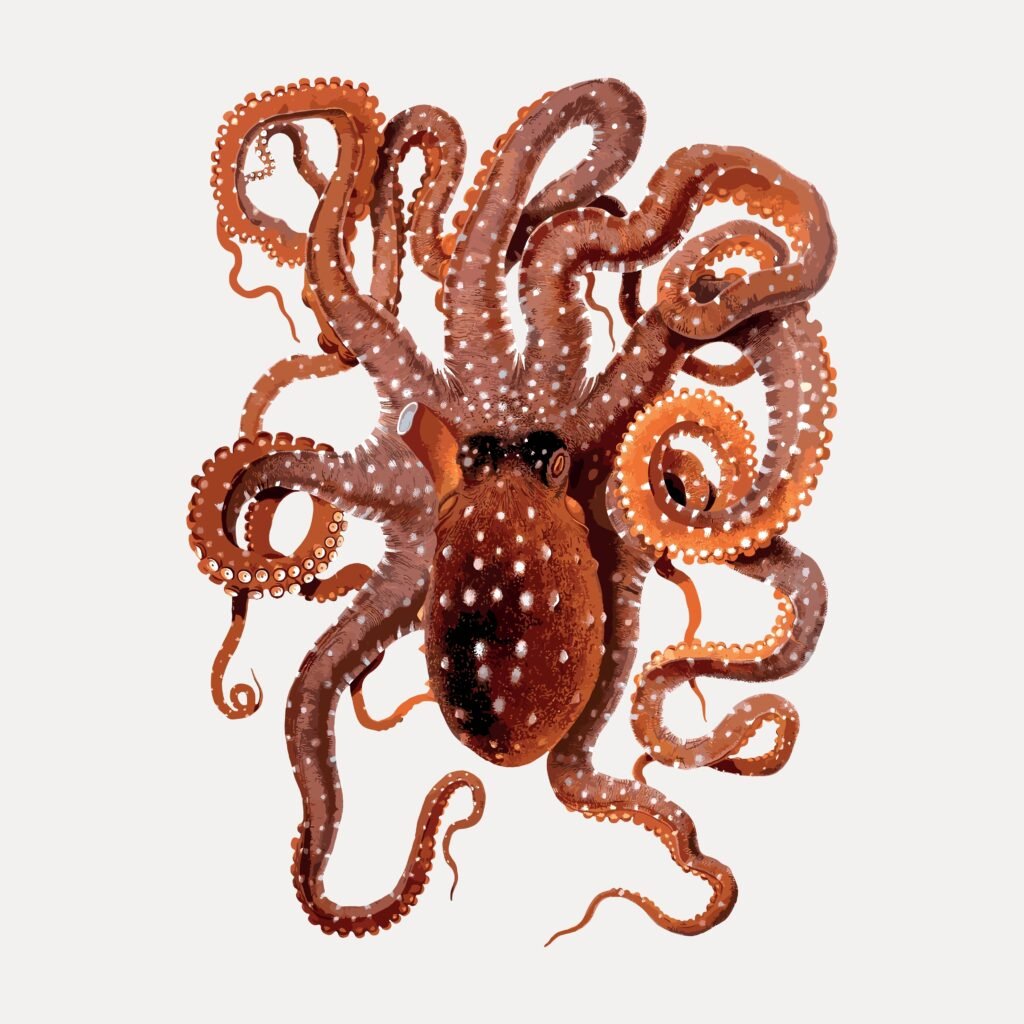
Octopus

🟣 9. Phylum – Echinodermata
✔️ Exclusively marine
✔️ Radial symmetry (adult), bilateral (larva)
✔️ Water vascular system
✔️ Calcareous endoskeleton
🌿 Examples: Starfish, Sea urchin, Sea cucumber
🟣 10. Phylum – Hemichordata
✔️ Previously considered chordates
✔️ Stomochord (rudimentary notochord)
✔️ Vermiform body
✔️ Marine habitat
🌿 Example: Balanoglossus
🟣 11. Phylum – Chordata
🧠 Key feature: presence of notochord, dorsal hollow nerve cord, and pharyngeal slits at some stage
✔️ Triploblastic, bilateral, coelomate
✔️ Closed circulatory system
✔️ Post-anal tail (present in many)
🧪 Subphyla:
🔵 Urochordata: Notochord in larval tail (e.g., Ascidia)
🔵 Cephalochordata: Notochord throughout life (e.g., Amphioxus)
🔵 Vertebrata: Notochord replaced by vertebral column
🟡 Vertebrates – Further Division
🔶 1. Cyclostomata
✔️ Jawless vertebrates
✔️ Circular mouth
✔️ Cartilaginous body
🌿 Examples: Petromyzon, Myxine
🔶 2. Pisces (Fishes)
✔️ Gills, fins, scales
✔️ Two-chambered heart
✔️ External fertilization
🌿 Examples: Shark, Rohu, Catla
🔶 3. Amphibia
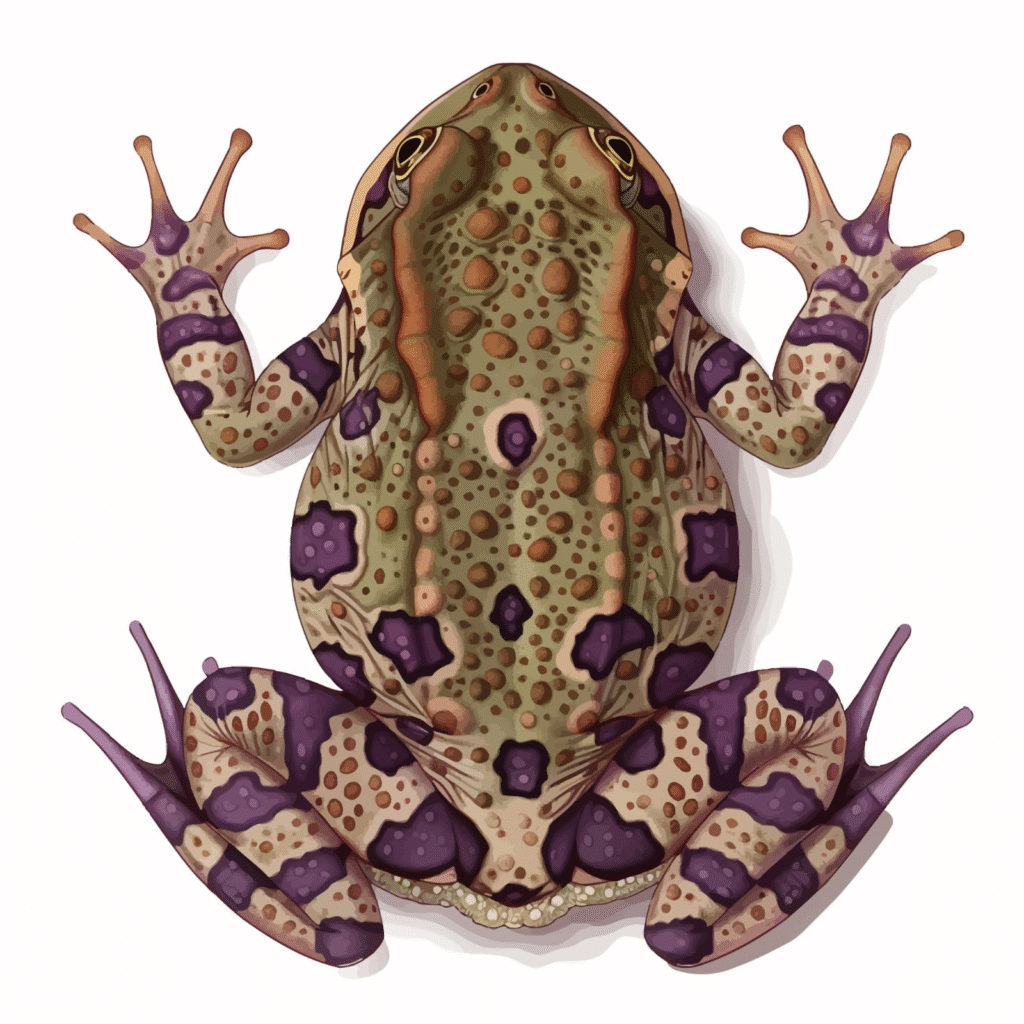
✔️ Moist skin, no scales
✔️ Three-chambered heart
✔️ Both aquatic and terrestrial life
🌿 Examples: Frog, Toad, Salamander
🔶 4. Reptilia
✔️ Dry skin with scales
✔️ Three-chambered heart (except crocodiles – four)
✔️ Internal fertilization, shelled eggs
🌿 Examples: Lizard, Snake, Crocodile
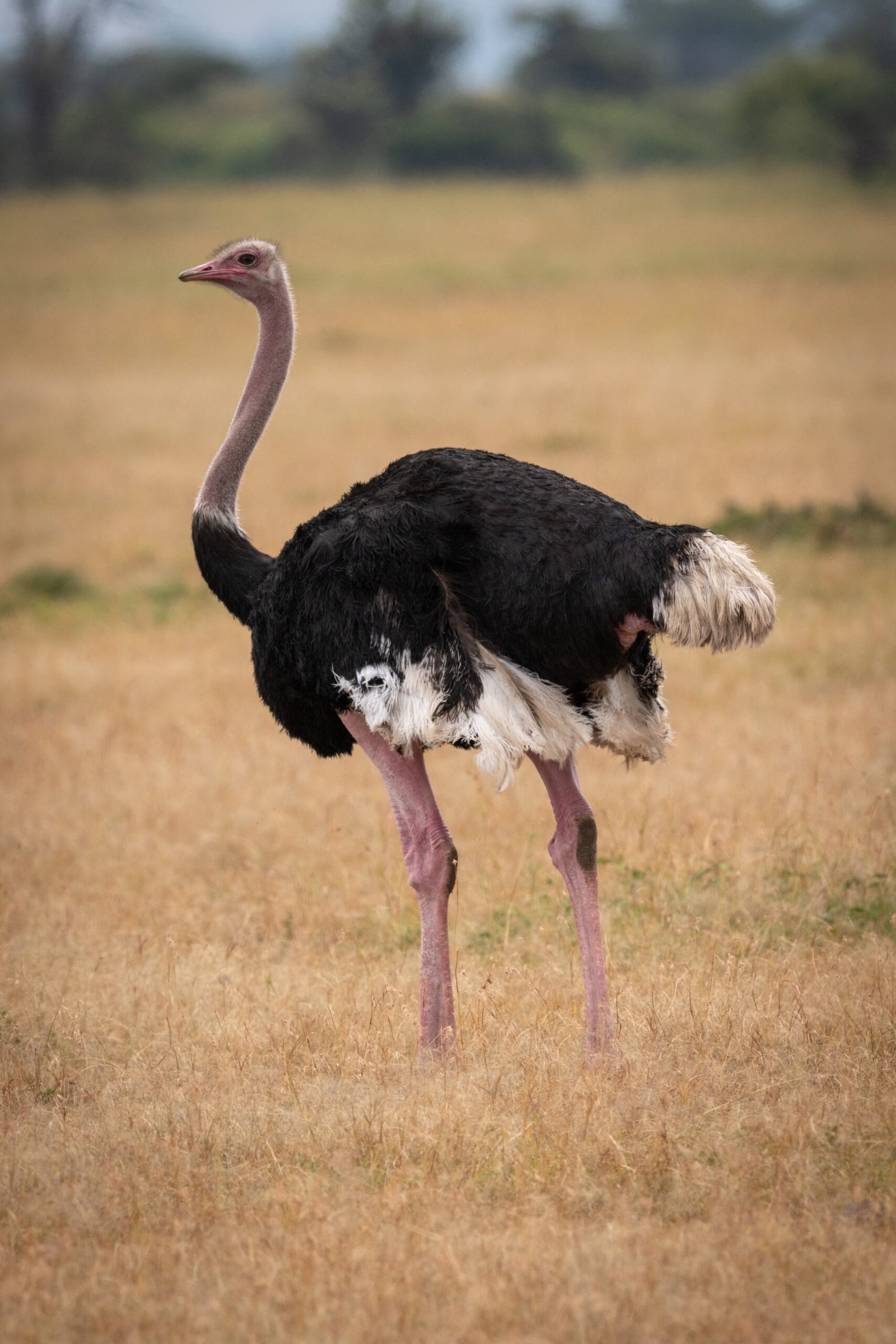
🔶 5. Aves (Birds)
✔️ Feathers, forelimbs as wings
✔️ Four-chambered heart
✔️ Warm-blooded
✔️ Oviparous
🌿 Examples: Pigeon, Ostrich, Crow
🔶 6. Mammalia
✔️ Hair, mammary glands
✔️ Four-chambered heart
✔️ Most are viviparous
✔️ External ears (pinnae)
🌿 Examples: Human, Whale, Lion, Bat
🧩 Why This Lesson Matters
📌 Understanding classification helps:
Grasp structural and evolutionary diversity
Appreciate ecological roles of animals
Build foundation for advanced zoology, biodiversity, and medical studies
📝 Quick Recap:
🔹 Levels: Cell → Tissue → Organ → Organ system
🔹 Symmetry: Asymmetrical → Radial → Bilateral
🔹 Germ layers: Diploblastic / Triploblastic
🔹 Coelom: Acoelomate / Pseudocoelomate / Coelomate
🔹 Segmentation: Present in annelids, arthropods
🔹 Notochord: Present in chordates only
🔹 Eleven major phyla
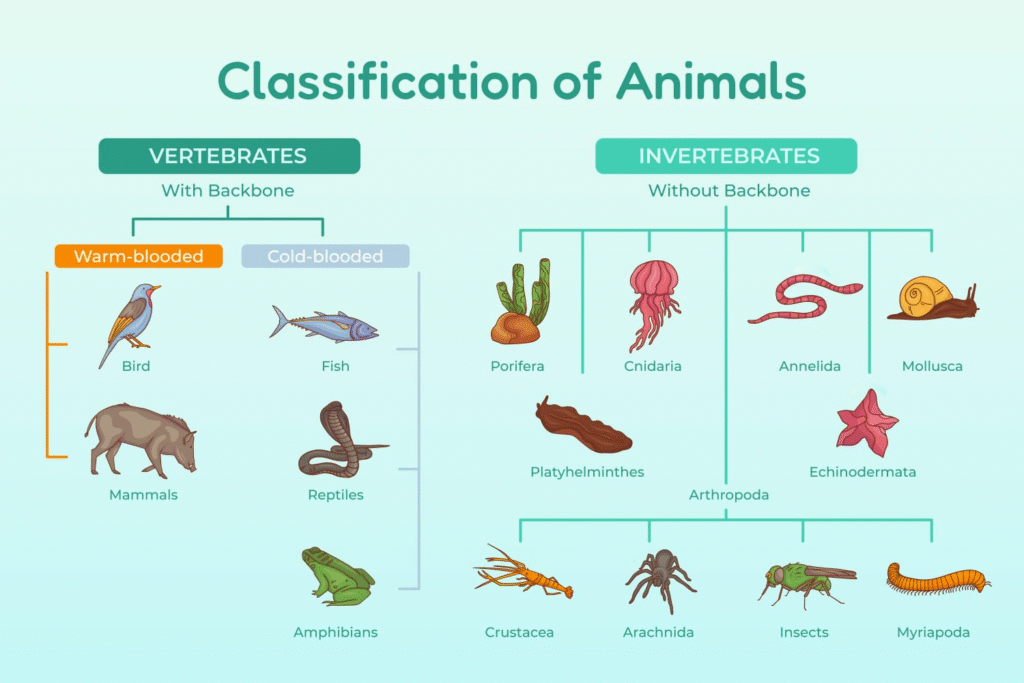
🔹 Vertebrates: Cyclostomes → Fishes → Amphibians → Reptiles → Birds → Mammals
📚 Summary (300 Words)
🔹 The Animal Kingdom includes all multicellular, eukaryotic, heterotrophic organisms with complex body organization.
🔹 Classification is based on:
Body organization (cell, tissue, organ, organ system)
Body symmetry (asymmetrical, radial, bilateral)
Germ layers (diploblastic or triploblastic)
Coelom (true, false, absent)
Segmentation
Presence or absence of notochord
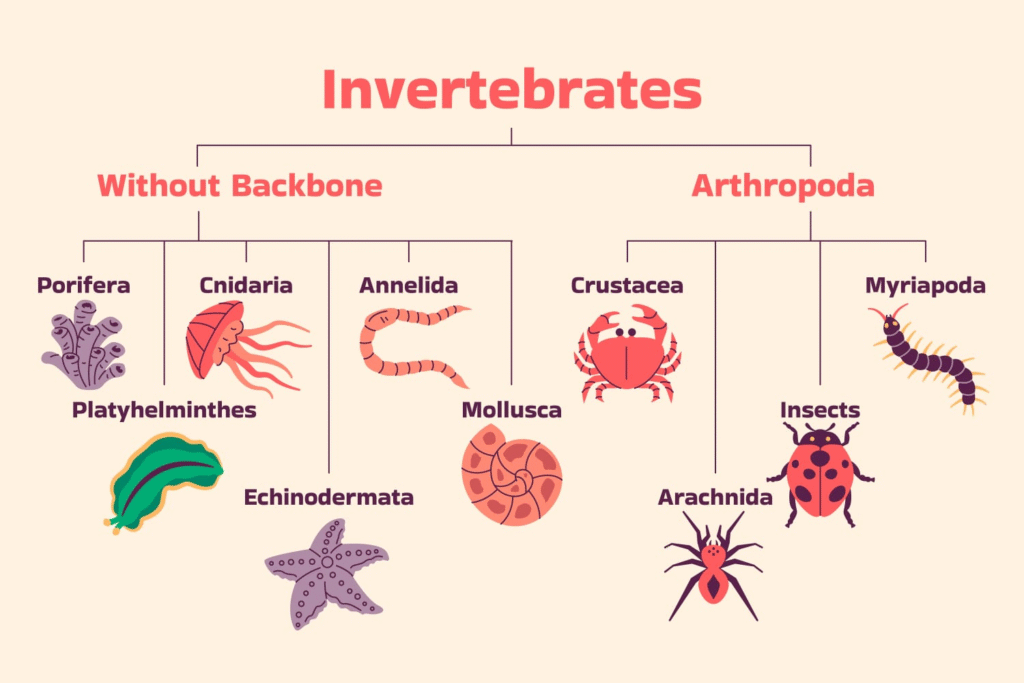
🔹 Non-chordates include:
Porifera – cellular level, sponges
Cnidaria – diploblastic, cnidoblasts
Ctenophora – comb plates, bioluminescent
Platyhelminthes – flatworms, flame cells
Nematoda – roundworms, pseudocoel
Annelida – segmented worms, nephridia
Arthropoda – jointed appendages, largest phylum
Mollusca – soft-bodied, shell, second largest
Echinodermata – water vascular system, radial symmetry
Hemichordata – stomochord, marine
🔹 Chordates have a notochord and include:
Urochordata (notochord in tail of larva)
Cephalochordata (notochord throughout life)
Vertebrata (notochord replaced by vertebral column)
🔹 Vertebrates include:
Cyclostomes – jawless fishes
Pisces – true fishes
Amphibians – moist-skinned, dual life
Reptiles – dry skin, shelled eggs
Birds – feathers, warm-blooded, oviparous
Mammals – hair, mammary glands, mostly viviparous
✅ This lesson is foundational to all future study in zoology and environmental science.
————————————————————————————————————————————————————————————————————————————
QUESTIONS FROM TEXTBOOK
🟦 Q1. What are the modifications that are observed in birds that help them fly?
✅ Answer:
Birds have evolved special adaptations for flight:
🪽 1. Hollow bones: Light-weight skeleton reduces body mass
🪶 2. Feathers: Provide lift and streamline the body
💪 3. Powerful flight muscles: Especially the pectoral muscles
💨 4. Air sacs: Enhance oxygen supply during flight
💓 5. High metabolic rate: Supports high energy demand
🪶 6. Forelimbs modified into wings
🟦 Q2. Could the number of eggs or young ones produced by an oviparous and viviparous mother be equal? Why?
✅ Answer:
❌ Not necessarily equal. Here’s why:
🐣 Oviparous animals (e.g., frogs, birds):
🔸 Lay more eggs due to higher mortality
🔸 External fertilization – less protection
👶 Viviparous animals (e.g., mammals):
🔹 Produce fewer young
🔹 Internal fertilization – better nourishment and protection
📌 Hence, viviparous species don’t need to produce many offspring.
🟦 Q3. Segmentation in the body is first observed in which of the following:
(a) Platyhelminthes (b) Aschelminthes (c) Annelida (d) Arthropoda
✅ Answer: ✔️ (c) Annelida
📌 Annelids (like earthworms) are the first animals to show true segmentation (metamerism).
🟦 Q4. Match the following:
🅰️ Column A 🅱️ Column B
(a) Operculum (viii) Osteichthyes
(b) Parapodia (v) Annelida
(c) Scales (iv) Reptilia
(d) Comb plates (i) Ctenophora
(e) Radula (ii) Mollusca
(f) Hairs (vii) Mammalia
(g) Choanocytes (iii) Porifera
(h) Gill slits (vi) Cyclostomata and Chondrichthyes
✔️ Matching done based on defining features of each group.
🟦 Q5. Prepare a list of some animals that are found parasitic on human beings.
✅ Answer:
🔹 Ascaris lumbricoides – Roundworm (intestinal parasite)
🔹 Taenia solium – Pork tapeworm (intestinal)
🔹 Entamoeba histolytica – Causes amoebic dysentery
🔹 Plasmodium spp. – Causes malaria (via mosquito)
🔹 Wuchereria bancrofti – Filarial worm (causes elephantiasis)
🔹 Pediculus humanus – Head louse (ectoparasite)
🔹 Ancylostoma – Hookworm (feeds on blood in intestine)
————————————————————————————————————————————————————————————————————————————
OTHER IMPORTANT QUESTIONS FOR EXAMS
(CBSE MODEL QUESTIONS PAPER)
ESPECIALLY MADE FROM THIS LESSON ONLY
🔷 Section A – MCQs + Assertion & Reason (Q1–Q16)
(Each question carries 1 mark)
Q1. Which of the following animals belongs to phylum Ctenophora?
(A) Physalia
(B) Pleurobrachia
(C) Aurelia
(D) Adamsia
Answer: (B)
Q2. Notochord is present in:
(A) All non-chordates
(B) Some invertebrates
(C) All chordates at some stage
(D) Only vertebrates
Answer: (C)
Q3. In which of the following phyla is the water vascular system present?
(A) Mollusca
(B) Arthropoda
(C) Echinodermata
(D) Coelenterata
Answer: (C)
Q4. Which one of the following features is NOT present in the members of phylum Mollusca?
(A) Muscular foot
(B) Radula
(C) Closed circulatory system
(D) Mantle
Answer: (C)
Q5. Which animal is a diploblastic organism?
(A) Ascaris
(B) Hydra
(C) Planaria
(D) Earthworm
Answer: (B)
Q6. Assertion (A): All vertebrates are chordates.
Reason (R): All chordates possess notochord throughout life.
(A) Both A and R are true and R is the correct explanation of A
(B) Both A and R are true but R is not the correct explanation of A
(C) A is true but R is false
(D) A is false but R is true
Answer: (C)
Q7. The excretory structures in Annelids are called:
(A) Flame cells
(B) Malpighian tubules
(C) Nephridia
(D) Protonephridia
Answer: (C)
Q8. The characteristic of radial symmetry is seen in which of the following groups?
(A) Annelida and Arthropoda
(B) Coelenterata and Ctenophora
(C) Mollusca and Annelida
(D) Arthropoda and Mollusca
Answer: (B)
Q9. Which of the following animal is a pseudocoelomate?
(A) Ascaris
(B) Pheretima
(C) Sycon
(D) Taenia
Answer: (A)
Q10. Assertion (A): Echinoderms have bilateral symmetry in larval stages.
Reason (R): They show organ system level of organization.
(A) Both A and R are true and R is the correct explanation of A
(B) Both A and R are true but R is not the correct explanation of A
(C) A is true but R is false
(D) A is false but R is true
Answer: (B)
Q11. Which of the following organisms exhibit metameric segmentation?
(A) Earthworm, Leech
(B) Tapeworm, Ascaris
(C) Cockroach, Pila
(D) Hydra, Aurelia
Answer: (A)
Q12. Which is the largest phylum in the animal kingdom?
(A) Annelida
(B) Arthropoda
(C) Mollusca
(D) Chordata
Answer: (B)
Q13. Which of the following organisms has a true coelom?
(A) Planaria
(B) Ascaris
(C) Pheretima
(D) Taenia
Answer: (C)
Q14. In which of the following organisms does the circulatory system remain open?
(A) Pheretima
(B) Octopus
(C) Cockroach
(D) Leech
Answer: (C)
Q15. Which animal has a canal system for water transport?
(A) Leech
(B) Sycon
(C) Hydra
(D) Starfish
Answer: (B)
Q16. Which of the following structures is not associated with molluscs?
(A) Mantle
(B) Proboscis
(C) Foot
(D) Shell
Answer: (B)
🔷 Section B – Very Short Answer Questions (Q17–Q18)
(Each question carries 2 marks)
Q17. Write any two characteristic features of phylum Platyhelminthes.
🟢 Answer:
🔹 They are dorsoventrally flattened, triploblastic and acoelomate animals.
🔹 They exhibit bilateral symmetry and organ-level body organization.
Q18. Differentiate between diploblastic and triploblastic animals.
🟣 Answer:
🔸 Diploblastic animals: Have two germ layers — ectoderm and endoderm (e.g., Hydra).
🔸 Triploblastic animals: Have three germ layers — ectoderm, mesoderm, and endoderm (e.g., Earthworm).
🔷 Section B – Very Short Answer Questions (2 Marks Each)
(Questions Q19 to Q21)
Q19. Why are echinoderms considered closer to chordates than to other non-chordates?
🟢 Answer:
🔸 Both echinoderms and chordates are deuterostomes, i.e., their blastopore develops into anus during embryonic development.
🔸 Both groups exhibit radial cleavage and have coelomic pouches formed from the archenteron.
Q20. What is metameric segmentation? Name two phyla in which it is found.
🔹 Answer:
✔️ Metameric segmentation is the serial repetition of similar body segments along the body length.
✔️ It is found in Annelida (e.g., Earthworm) and Arthropoda (e.g., Cockroach).
Q21. Define canal system. In which phylum is it found?
🔸 Answer:
✔️ Canal system is a network of water channels through which water enters the body, facilitates food and oxygen intake, and removes waste.
✔️ It is a characteristic feature of phylum Porifera (e.g., Sycon).
🔶 Section C – Short Answer Questions (3 Marks Each)
(Questions Q22 to Q28)
Q22. State three differences between non-chordates and chordates.
🧬 Answer:
🔹 Notochord: Absent in non-chordates; present in chordates.
🔹 Nervous system: Ventral, solid, and paired in non-chordates; dorsal, hollow, and single in chordates.
🔹 Heart: If present, is ventral in non-chordates; dorsal in chordates.
Q23. Differentiate between acoelomate, pseudocoelomate, and coelomate animals.
🟢 Answer:
🔸 Acoelomate: No body cavity (e.g., Platyhelminthes)
🔸 Pseudocoelomate: Body cavity not lined by mesoderm (e.g., Nematoda)
🔸 Coelomate: True body cavity lined by mesoderm (e.g., Annelida, Chordata)
Q24. Describe the structure and function of the water vascular system in echinoderms.
🔹 Answer:
✔️ The water vascular system is a network of fluid-filled canals used for locomotion, food capture, respiration, and excretion.
✔️ It includes madreporite, stone canal, ring canal, radial canals, and tube feet.
✔️ Unique to echinoderms like starfish.
Q25. List three adaptive features of arthropods that make them the most successful phylum.
🧠 Answer:
🔸 Presence of jointed appendages for varied functions
🔸 Chitinous exoskeleton for protection and support
🔸 Segmented body allowing specialization of body parts
Q26. Mention three distinguishing features of phylum Mollusca.
🟣 Answer:
🔹 Muscular foot for movement
🔹 Visceral hump with internal organs
🔹 Mantle secretes a calcareous shell
Q27. What are the key characteristics of phylum Platyhelminthes? Give one example.
🧬 Answer:
✔️ Dorsoventrally flattened body
✔️ Triploblastic and acoelomate
✔️ Show bilateral symmetry and organ-level organization
🌿 Example: Taenia solium (Tapeworm)
Q28. Give three reasons why vertebrates are more advanced than non-chordates.
🟢 Answer:
🔸 Presence of vertebral column and internal skeleton
🔸 Highly developed brain and sensory organs
🔸 Advanced closed circulatory system and efficient respiration
🔷 Section D – Case-Based Questions (4 Marks Each)
(Questions Q29 to Q30)
Q29. Read the passage and answer the following questions:
Earthworms belong to phylum Annelida. They are segmented worms showing metamerism and a true coelom. They possess nephridia for excretion, and their circulatory system is closed type. Locomotion is achieved with the help of setae and body muscles.
(a) Identify the level of body organization in earthworms.
(b) Name the type of symmetry and coelom they possess.
(c) What is the significance of nephridia?
(d) Mention two adaptive features of earthworms.
🟢 Answer:
🔹 (a) Organ system level of organization
🔹 (b) Bilateral symmetry; true coelom (coelomate)
🔹 (c) Nephridia help in osmoregulation and excretion of nitrogenous wastes.
🔹 (d) Adaptive features:
✅ Metameric segmentation (body flexibility)
✅ Setae and body muscles for locomotion
Q30. Read the passage and answer the following questions:
Members of phylum Echinodermata are exclusively marine animals. They possess a unique water vascular system and exhibit radial symmetry in adults. Their larval stages show bilateral symmetry. The body has a calcareous endoskeleton made of ossicles.
(a) Why are echinoderms considered closer to chordates?
(b) What kind of symmetry is present in adult echinoderms?
(c) What is the function of the water vascular system?
(d) Mention two examples of echinoderms.
🧬 Answer:
🔹 (a) Both are deuterostomes and share embryonic developmental similarities.
🔹 (b) Radial symmetry in adults
🔹 (c) Water vascular system helps in locomotion, feeding, respiration, and excretion.
🔹 (d) Asterias (starfish), Echinus (sea urchin)
🔷 Section E – Long Answer Questions (5 Marks Each)
(Questions Q31 to Q33)
Q31. Describe the general characteristics of phylum Arthropoda. Mention two examples from different arthropod groups.
🟣 Answer:
✔️ Arthropoda is the largest phylum of the animal kingdom.
🔸 Body Segmentation: Divided into head, thorax, and abdomen.
🔸 Exoskeleton: Made of chitin; provides protection and structure.
🔸 Jointed Appendages: Modified for walking, feeding, or sensing.
🔸 Open Circulatory System: Blood flows into body cavity (haemocoel).
🔸 Respiration: Through gills (aquatic), tracheae or book lungs (terrestrial).
🔸 Malpighian tubules: For excretion and osmoregulation.
🔸 Sense Organs: Compound eyes, antennae.
🔸 Reproduction: Mostly sexual with internal fertilization.
🌿 Examples:
🧬 Palaemon (Prawn – Crustacea)
🧬 Periplaneta americana (Cockroach – Insecta)
Q32. Classify animals based on germ layers, body symmetry, and coelom. Give examples.
🧠 Answer:
📌 Based on Germ Layers:
🔸 Diploblastic – Animals with two germ layers (ectoderm and endoderm)
✔️ Example: Hydra (Cnidaria)
🔸 Triploblastic – Animals with three germ layers (ectoderm, mesoderm, endoderm)
✔️ Example: Earthworm (Annelida)
📌 Based on Body Symmetry:
🔸 Asymmetrical – No definite body axis (e.g., Sponges)
🔸 Radial symmetry – Divided into equal halves along multiple planes (e.g., Jellyfish)
🔸 Bilateral symmetry – Single plane divides into two mirror halves (e.g., Human)
📌 Based on Coelom:
🔸 Acoelomate – No body cavity (e.g., Planaria)
🔸 Pseudocoelomate – Body cavity not lined by mesoderm (e.g., Ascaris)
🔸 Coelomate – True body cavity lined by mesoderm (e.g., Annelida, Chordata)
Q33. Compare any five fundamental features of Chordates and Non-Chordates.
🔹 Answer:
Feature Chordates Non-Chordates
Notochord Present Absent
Nervous system Dorsal, hollow, single Ventral, solid, double
Pharyngeal slits Present at some stage Absent
Heart position Ventral Dorsal or absent
Post-anal tail Present (at least in embryo) Absent
✔️ Example of chordate: Frog
✔️ Example of non-chordate: Earthworm
————————————————————————————————————————————————————————————————————————————