Class 8 : Science – ( English ) : Lesson 5. Exploring Forces

EXPLANATION AND ANALYSIS
🧭 A force is a push or a pull that can change the motion, shape, or direction of an object.
Everyday actions like opening a door 🚪, kicking a ball ⚽, lifting a bag 🎒, or stretching a rubber band 🧵 involve forces.
🧠 Even when we do not notice it, forces are always acting around us.
They control motion 🚶, balance ⚖️, and interaction between objects.
🔍 Understanding forces helps explain why objects move, stop, or change shape.
🧪 A force can cause different effects.
It can start motion ▶️.
It can stop motion ⛔.
It can change speed 🚀.
It can change direction 🔄.
It can change shape 📐.
🧠 A force does not always make an object move.
Sometimes it only changes shape.
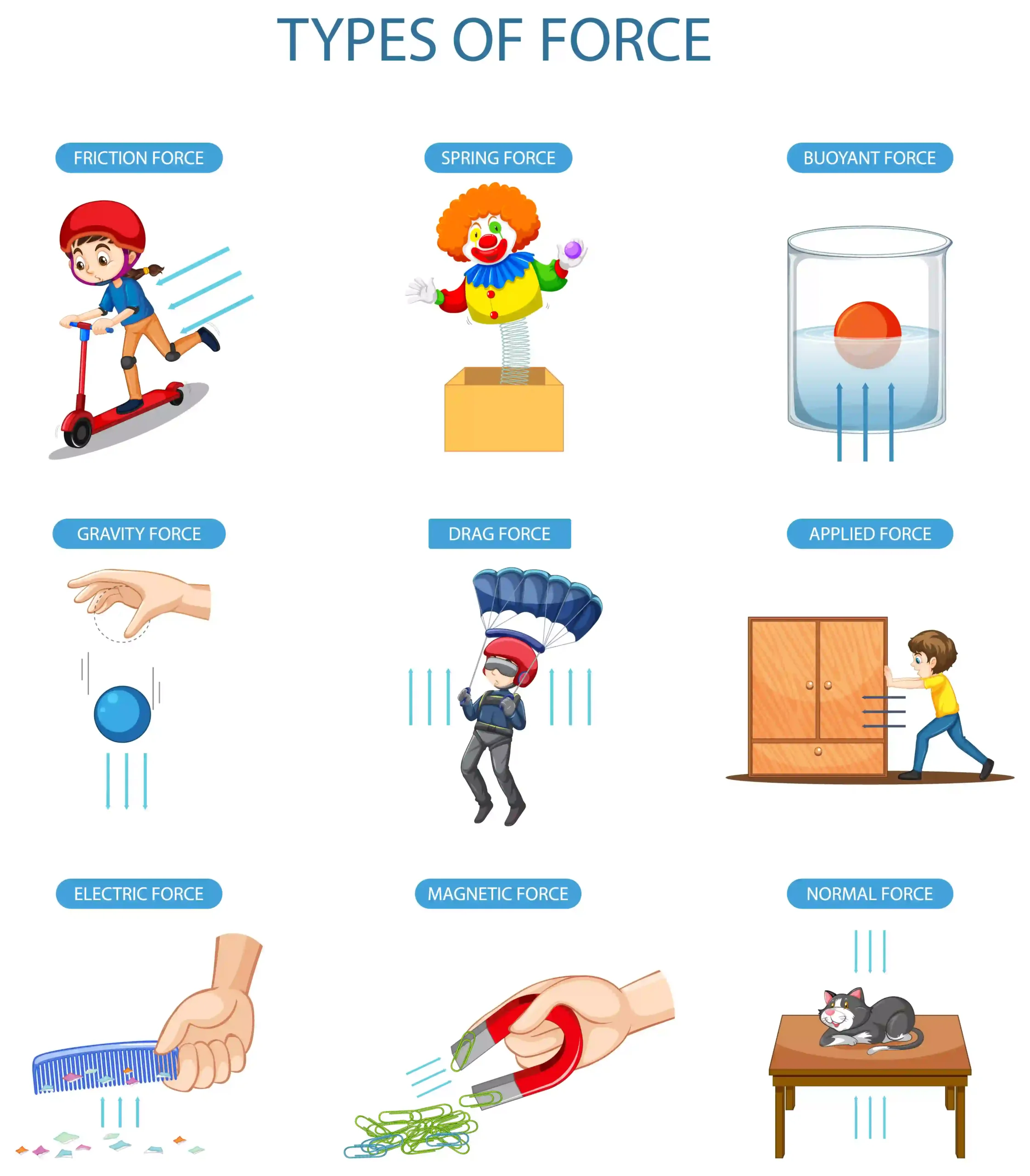
🧭 Forces can be contact forces or non-contact forces.
Contact forces require physical touch ✋.
Non-contact forces act from a distance 📡.
🧠 This classification helps us understand how forces act.
🧲 Muscular force is a contact force produced by muscles 💪.
It helps humans and animals move objects.
🧠 Lifting, pushing, pulling, and throwing all use muscular force.
🌬️ Friction is another contact force.
It acts between surfaces in contact.
🧠 Friction opposes motion 🚫➡️.
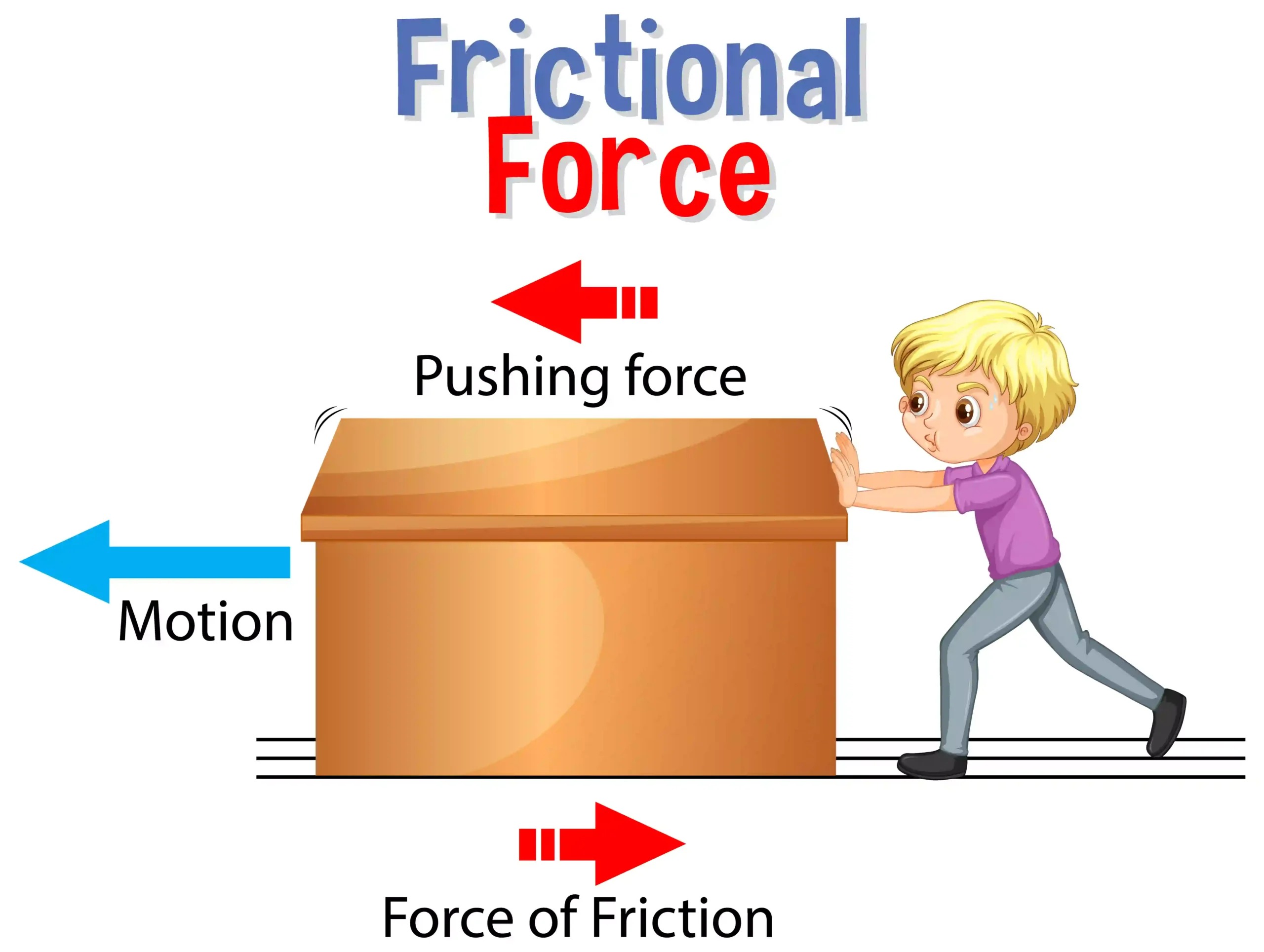
It slows down moving objects.
🧠 Without friction, walking 🚶 and writing ✍️ would be impossible.
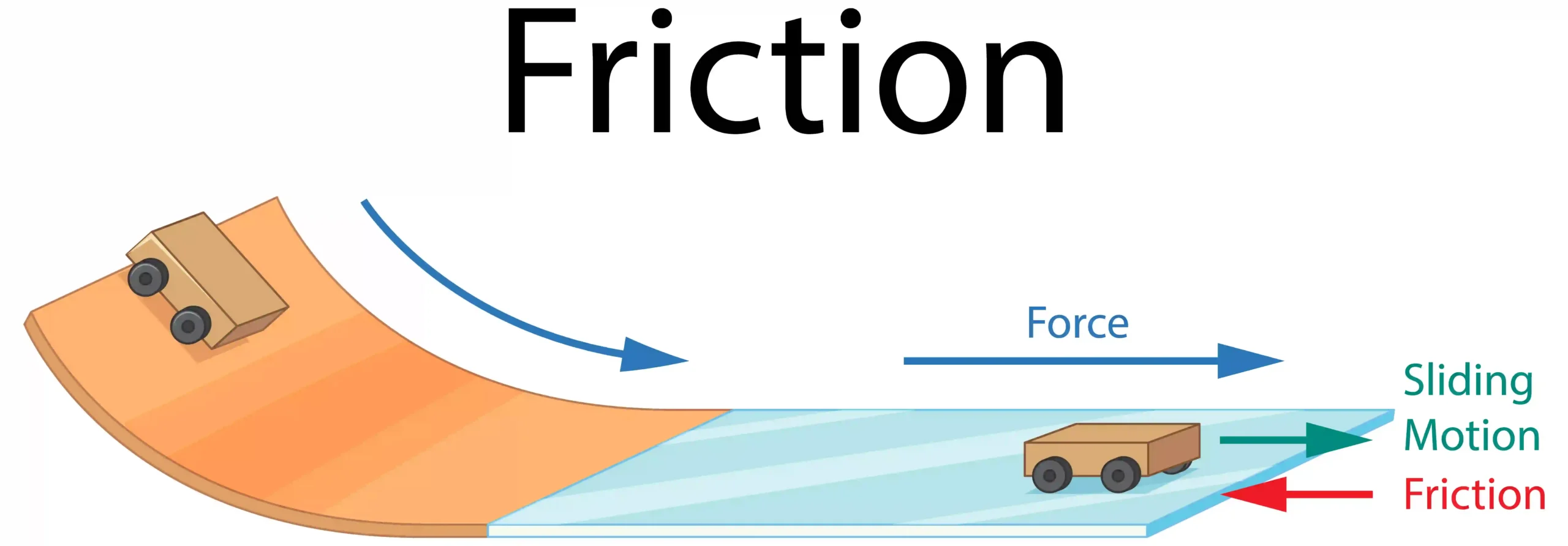
🧭 Friction can be useful or harmful.
Useful: stopping vehicles 🚗🛑.
Harmful: wearing out machine parts ⚙️.
🧠 Lubricants reduce friction 🛢️.
🧲 Gravitational force is a non-contact force.
It pulls objects toward the Earth 🌍.
🧠 Gravity keeps us on the ground.
It makes objects fall ⬇️.
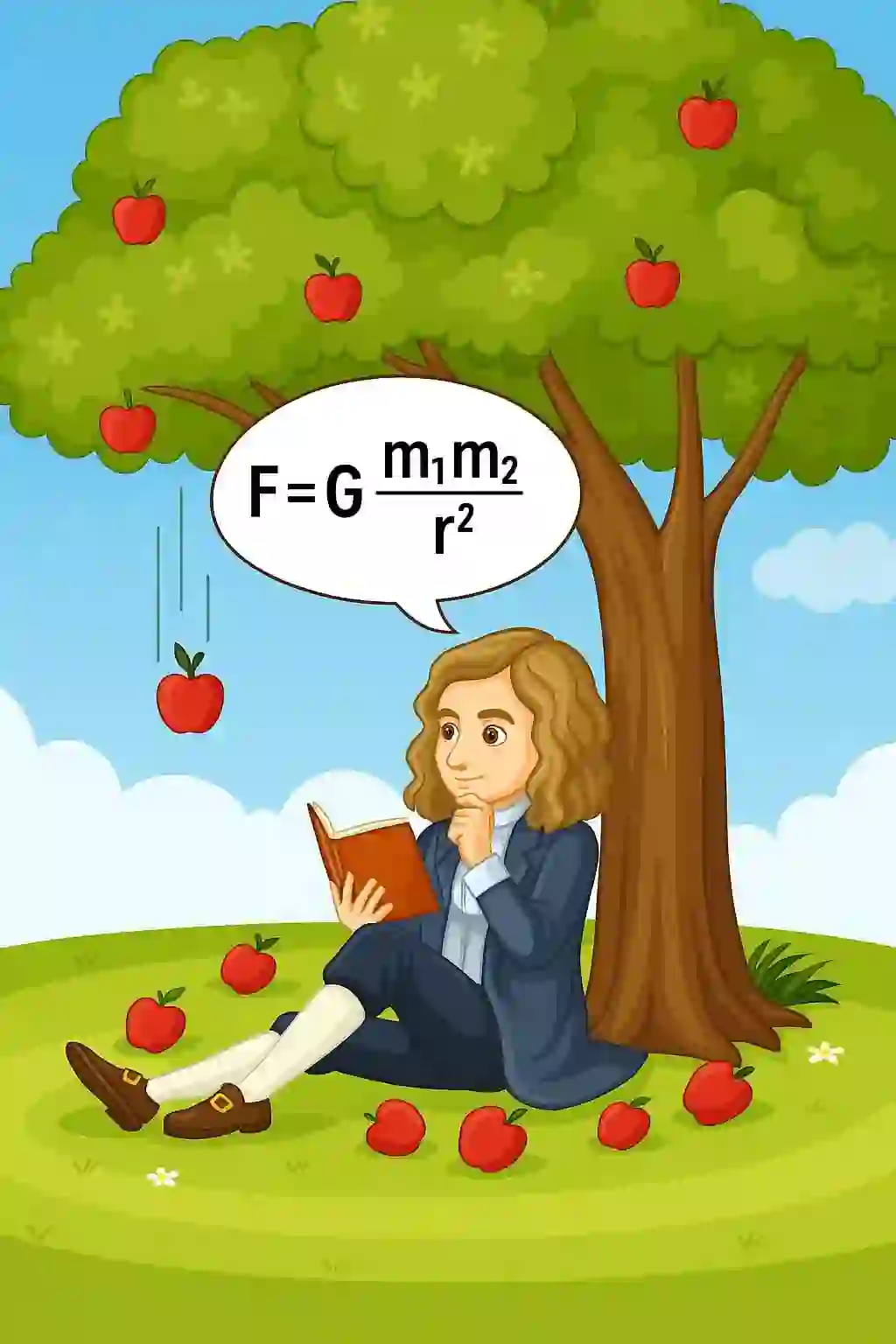
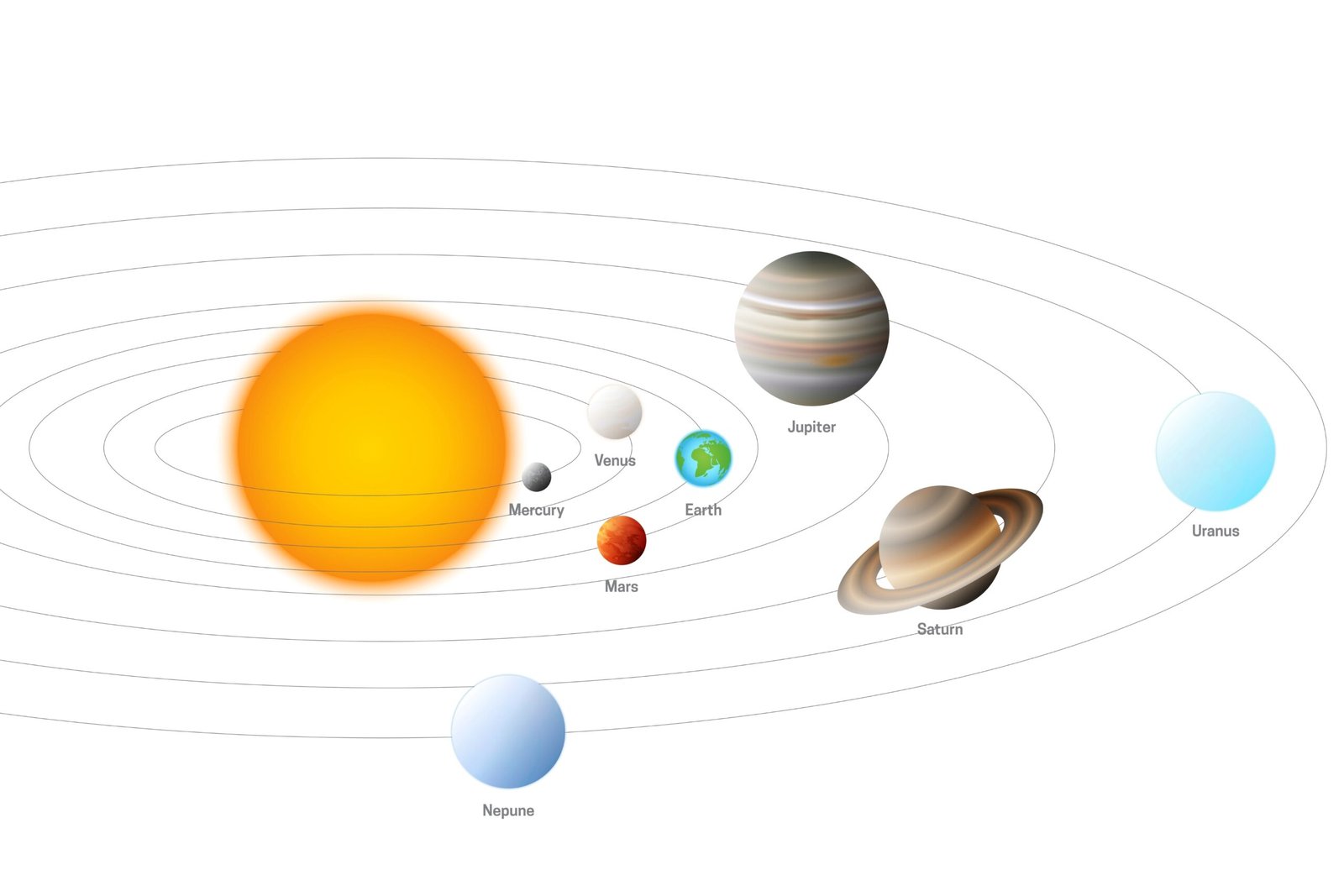
🧭 Gravity also controls the motion of planets 🪐 and moons 🌙.
It maintains order in the universe.
🧠 This force acts everywhere.
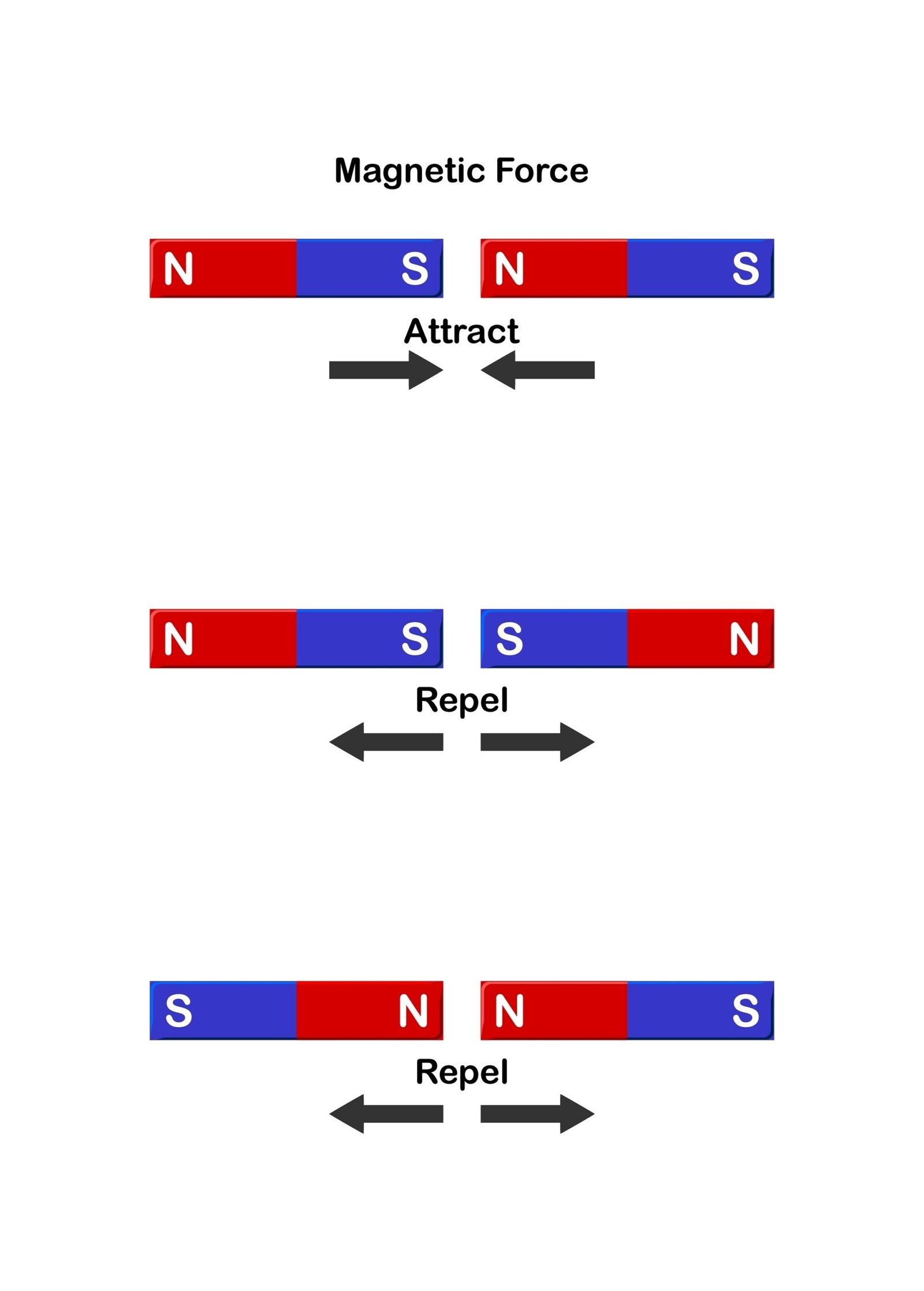
🧲 Magnetic force is another non-contact force.
Magnets attract or repel certain materials 🧲.
🧠 Iron objects are attracted to magnets.
Like poles repel, unlike poles attract 🔄.
⚡ Electrostatic force acts between charged objects.
It is responsible for attraction and repulsion between charges ⚡.
🧠 Rubbing objects can create electric charge.
🧭 Forces can change the shape of objects.
Squeezing a sponge 🧽.
Stretching a spring 🌀.
Bending a ruler 📏.
🧠 Shape change shows force is acting.
🧭 Forces can act together or oppose each other.
Same direction ➡️➡️ increases effect.
Opposite direction ➡️⬅️ reduces effect.
🧠 Balanced forces cause no motion change.
Unbalanced forces cause motion change 🚀.
🧠 Forces play a role in daily life.
Transport 🚆.
Sports 🏏.
Machines ⚙️.
Nature 🌍.
🧠 Understanding forces helps design safe systems.
🧭 Force is measured using spring balances ⚖️.
It has both magnitude and direction.
🧠 This makes force a vector quantity.
🧭 Studying forces develops scientific thinking.
Observation 👀.
Experimentation 🔬.
Reasoning 🧠.
🧠 It builds a strong base for physics.
📜 Forces explain motion and stability in the universe.
They control interactions between objects.
🚀 Understanding forces helps us understand how the world works.
📝 Summary of the Lesson
A force is a push or pull that can change the motion, direction, speed, or shape of an object. Forces can be contact forces, such as muscular force and friction, or non-contact forces, such as gravitational, magnetic, and electrostatic forces. Forces can start or stop motion, change speed or direction, and deform objects. Balanced forces do not change motion, while unbalanced forces do. Forces play an important role in daily life, nature, and technology. Understanding forces helps explain motion and interactions between objects.
⚡ Quick Recap
⭐ Force is a push or pull
⭐ Forces change motion or shape
⭐ Contact forces need touch
⭐ Non-contact forces act at distance
⭐ Friction opposes motion
⭐ Gravity pulls objects
⭐ Forces control daily life
——————————————————————————————————————————————————————————————————————————–
TEXTBOOK QUESTIONS
🔒 ❓ Question 1
Match the items in Column A with the items in Column B.
📌 Answer:
🔵 (i) Muscular force → (b) A child lifting a school bag
Muscular force is applied by the muscles of the body while lifting, pushing, or pulling objects.
🟢 (ii) Magnetic force → (e) A compass needle pointing North
The compass needle aligns itself due to the magnetic force of the Earth.
🟣 (iii) Frictional force → (a) A cricket ball stopping on its own just before touching the boundary line
Friction between the ball and the ground slows it down and finally stops it.
🔴 (iv) Gravitational force → (c) A fruit falling from a tree
Gravitation pulls objects towards the Earth.
🟡 (v) Electrostatic force → (d) Balloon rubbed on woollen cloth attracting hair strands
Rubbing produces electric charges which cause attraction.
🔒 ❓ Question 2
State whether the following statements are True or False:
(i) A force is always required to change the speed of motion of an object.
(ii) Due to friction, the speed of a ball rolling on flat ground increases.
(iii) There is no force between two charged objects placed at a small distance apart.
📌 Answer:
🔵 (i) True — A force is needed to increase or decrease the speed of an object.
🟢 (ii) False — Friction always opposes motion and reduces the speed of the ball.
🟣 (iii) False — Charged objects exert electrostatic force on each other even at small distances.
🔒 ❓ Question 3
Two balloons rubbed with a woollen cloth are brought near each other. What would happen and why?
📌 Answer:
🔵 Both balloons will repel each other.
🟢 Rubbing transfers electric charges to the balloons.
🟣 Since both balloons acquire the same type of charge, they repel due to electrostatic force.
🔒 ❓ Question 4
A coin sinks in water but a bigger wooden block floats. Explain.
📌 Answer:
🔵 The coin sinks because its density is greater than that of water.
🟢 The wooden block floats because its density is less than water, even though it is larger.
🟣 Floating or sinking depends on density and buoyant force, not size.
🔒 ❓ Question 5
A ball is thrown upwards, slows down, stops momentarily, and then falls back. Name the forces acting and their directions:
(i) During upward motion
(ii) During downward motion
(iii) At the topmost position
📌 Answer:
🔵 (i) Upward motion:
Gravitational force acts downwards, opposing the motion and slowing the ball.
🟢 (ii) Downward motion:
Gravitational force acts downwards, increasing the speed of the ball.
🟣 (iii) Topmost position:
Only gravitational force acts downwards, though the speed of the ball is zero at that instant.
🔒 ❓ Question 6
A ball rolls from point P, moves along an inclined plane, and stops at point A on a horizontal surface. Suggest ways so that it stops:
(i) before point A
(ii) after crossing point A
📌 Answer:
🔵 (i) To stop before point A, increase friction by making the surface rough.
🟢 (ii) To stop after crossing point A, reduce friction by smoothing the surface or applying oil.
🔒 ❓ Question 7
Why do we sometimes slip on smooth surfaces like ice or polished floors?
📌 Answer:
🔵 Smooth surfaces offer very little friction.
🟢 Due to low friction, our feet cannot grip the surface properly.
🟣 This causes slipping and loss of balance.
🔒 ❓ Question 8
Is any force being applied to an object in non-uniform motion?
📌 Answer:
🔵 Yes, a force is always applied in non-uniform motion.
🟢 Non-uniform motion means change in speed or direction.
🟣 Such changes are possible only due to applied force.
🔒 ❓ Question 9
The weight of an object on the Moon is one-sixth of its weight on Earth. What causes this change? Does the mass also change?
📌 Answer:
🔵 The Moon has less gravitational force than the Earth.
🟢 Weight depends on gravity, so it decreases on the Moon.
🟣 Mass remains unchanged, as it depends on the amount of matter.
🔒 ❓ Question 10
Three objects of same size and shape but different materials float at different depths. If their weights are w₁, w₂, and w₃, choose the correct option.
📌 Answer:
🔵 (iv) w₃ > w₁ > w₂
🟢 The object that sinks deeper is heavier.
🟣 Greater depth indicates greater weight.
——————————————————————————————————————————————————————————————————————————–
OTHER IMPORTANT QUESTIONS
SECTION 1 — MCQs (5 Questions)
🔒 ❓ Q1. Which action can change the shape of an object?
🟢 1️⃣ Force
🔵 2️⃣ Mass
🟡 3️⃣ Volume
🟣 4️⃣ Density
✔️ Answer: 🟢 1️⃣ Force
🔒 ❓ Q2. Which force acts without direct contact?
🟢 1️⃣ Muscular force
🔵 2️⃣ Friction
🟡 3️⃣ Magnetic force
🟣 4️⃣ Push
✔️ Answer: 🟡 3️⃣ Magnetic force
🔒 ❓ Q3. Which force opposes motion?
🟢 1️⃣ Gravity
🔵 2️⃣ Friction
🟡 3️⃣ Magnetic force
🟣 4️⃣ Muscular force
✔️ Answer: 🔵 2️⃣ Friction
🔒 ❓ Q4. Which force pulls objects towards the Earth?
🟢 1️⃣ Magnetic force
🔵 2️⃣ Gravitational force
🟡 3️⃣ Frictional force
🟣 4️⃣ Muscular force
✔️ Answer: 🔵 2️⃣ Gravitational force
🔒 ❓ Q5. Which force is applied by our body muscles?
🟢 1️⃣ Mechanical force
🔵 2️⃣ Muscular force
🟡 3️⃣ Frictional force
🟣 4️⃣ Magnetic force
✔️ Answer: 🔵 2️⃣ Muscular force
SECTION 2 — Very Short Answer (5 Questions)
🔒 ❓ Q6. What is a push or pull called?
📌 ✅ Answer: Force
🔒 ❓ Q7. Name the force that slows moving objects.
📌 ✅ Answer: Friction
🔒 ❓ Q8. Which force acts between a magnet and iron?
📌 ✅ Answer: Magnetic force
🔒 ❓ Q9. Name the force due to Earth’s attraction.
📌 ✅ Answer: Gravity
🔒 ❓ Q10. Which force needs contact to act?
📌 ✅ Answer: Contact force
SECTION 3 — Short Answer (3 Questions)
🔒 ❓ Q11. What is force and what can it do?
📌 ✅ Answer:
🔹 Force is a push or pull acting on an object.
🔸 It can change the shape, speed or direction of motion.
🔹 Force can also start or stop a moving object.
🔒 ❓ Q12. Why is friction useful in daily life?
📌 ✅ Answer:
🔹 Friction helps us walk without slipping.
🔸 It allows vehicles to move on roads.
🔹 Friction also helps in writing and holding objects.
🔒 ❓ Q13. Differentiate between contact and non-contact forces.
📌 ✅ Answer:
🔹 Contact forces act only when objects touch each other.
🔸 Examples include friction and muscular force.
🔹 Non-contact forces act without contact, like gravity and magnetism.
SECTION 4 — Long Answer (1 Question)
🔒 ❓ Q14. Explain different types of forces with examples.
📌 ✅ Answer:
🔹 Forces are classified as contact and non-contact forces.
🔸 Contact forces include muscular force and friction.
🔹 Non-contact forces include gravitational and magnetic forces.
🔸 Forces can change shape, speed and direction of objects.
🔹 Understanding forces helps explain many everyday activities.
——————————————————————————————————————————————————————————————————————————–
ADVANCE KNOWLEDGE
🌍 Forces: The Invisible Pushes That Control Everything
Nothing moves, stops, bends, or changes shape on its own. Behind every motion in the universe—falling rain, flying birds, moving cars, orbiting planets—there is a force. Forces are invisible, yet their effects are everywhere.
🧠 Big idea:
A force is not something we see — it is something we feel through change.
🧠 What a Force Really Is (Beyond the Book)
A force is a push or a pull that can:
Start motion
Stop motion
Change speed
Change direction
Change shape
⭐ Even when objects appear still, forces may be perfectly balanced.
⚠️ Misconception vs Reality
⚠️ Misconception: Force is needed to keep an object moving
✅ Reality: Force is needed only to change motion
⚠️ Misconception: Bigger objects always exert bigger forces
✅ Reality: Force depends on interaction, not just size
🧲 Contact and Non-Contact Forces
Forces are classified by how they act.
✋ Contact Forces
Require physical contact.
🧠 Examples:
Muscular force
Friction
⭐ You must touch to apply them.
🌌 Non-Contact Forces
Act from a distance.
🧠 Examples:
Gravitational force
Magnetic force
Electrostatic force
⭐ These forces work through fields, not touch.
🌍 Gravitational Force: The Universal Glue
Gravity pulls objects toward each other.
🧠 Effects of gravity:
Objects fall to Earth
Planets orbit stars
Oceans stay on Earth
⭐ Gravity acts between all masses, everywhere in the universe.
🧠 Without gravity, Earth would lose air, water, and life.
🧲 Magnetic Force: Attraction and Repulsion
Magnetic force acts between magnets and magnetic materials.
🧠 Key facts:
Like poles repel
Unlike poles attract
⭐ Magnetism does not need contact.
🧠 Earth itself behaves like a giant magnet, guiding compasses.
⚡ Electrostatic Force: Hidden Charges at Work
Electrostatic force acts between electric charges.
🧠 Examples:
Balloon sticking to wall
Tiny sparks while removing clothes
⭐ This force explains lightning and many atomic interactions.
✋ Muscular Force: Biological Power
Muscular force comes from muscles.
🧠 Used in:
Walking
Lifting
Writing
⭐ Muscles always work in pairs—one contracts, the other relaxes.
🧲 Friction: The Necessary Resistor
Friction opposes motion between surfaces in contact.
🧠 Friction:
Slows motion
Produces heat
Provides grip
⭐ Without friction:
Walking would be impossible
Vehicles could not stop
🧠 Too much friction wastes energy; too little causes accidents.
⚙️ Types of Friction
🧠 Different situations create different friction.
Static friction → prevents motion
Sliding friction → opposes sliding
Rolling friction → acts during rolling
Fluid friction → acts in air and water
⭐ Rolling friction is least — that’s why wheels are used.
🌍 Balanced and Unbalanced Forces
Forces rarely act alone.
🧠 Balanced forces
Cancel each other
No change in motion
🧠 Unbalanced forces
Cause acceleration
Change speed or direction
⭐ Motion changes only when forces are unbalanced.
🧠 Force and Shape Change
Forces can deform objects.
🧠 Examples:
Stretching rubber
Squeezing clay
Bending metal
⭐ Shape change shows that matter responds internally to force.
🚀 Forces and Motion in Space
In space:
Gravity controls orbits
No air friction exists
🧠 Satellites move continuously because forces are balanced.
⭐ Astronauts float due to free fall, not absence of gravity.
🌍 Forces in Living Beings
Life depends on forces.
🧠 Examples:
Heart pumping blood
Muscles contracting
Bones supporting weight
⭐ Even cell movement depends on tiny molecular forces.
🚧 Forces and Safety
Understanding forces saves lives.
🧠 Applications:
Seat belts reduce force impact
Helmets spread force
Shock absorbers reduce sudden forces
⭐ Safety engineering is applied physics.
🚀 Modern Science and Forces
🚀 Scientists study:
Gravitational waves
Subatomic forces
Artificial gravity
🧠 Forces explain everything from atom behavior to galaxy motion.
🌡️ Energy and Forces
Forces transfer energy.
🧠 When force causes motion:
Work is done
Energy changes form
⭐ No force, no energy transfer.
⭐ Amazing Force Facts
⭐ Gravity acts instantly across vast distances
⭐ Magnets work through empty space
⭐ Friction produces most everyday heat
⭐ All structures exist because forces balance
🧠 Why Curious Minds Must Understand Forces
Forces explain:
Why things move
Why things stop
Why structures stand
Why planets stay in place
🧠 Forces are the grammar of the physical universe.
🌟 Final Thought
You never see a force —
but you see everything it does.
🧠 To understand forces is to understand how the universe pushes, pulls, and shapes reality.
——————————————————————————————————————————————————————————————————————————–