
Class 8 : Science – ( English ) : Lesson 13. Our Home: Earth, a Unique Life Sustaining Planet

EXPLANATION AND ANALYSIS
🧭 Earth is our home and the only known planet that supports life.
It provides air 🌬️ to breathe, water 💧 to drink, land 🌍 to live on, and sunlight ☀️ for energy. These conditions together make Earth special among all planets.
🔍 Understanding why Earth supports life helps us value and protect it.
🌍 Earth’s position in space is just right.
It is neither too close to the Sun 🔥 nor too far ❄️.
📌 This correct distance keeps temperature suitable for life.
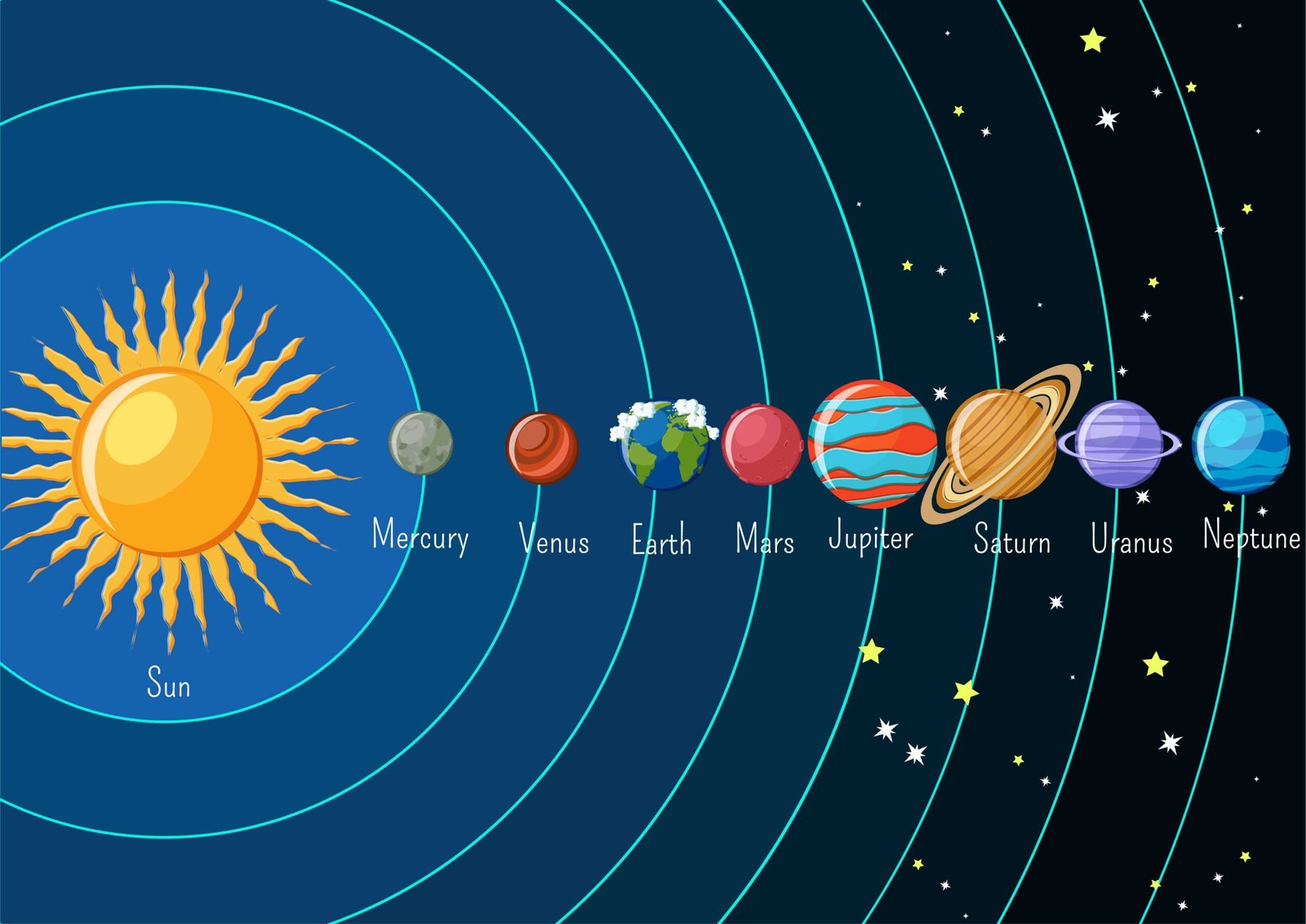
☀️ The Sun is the main source of energy for Earth.
Sunlight warms the planet and drives natural processes.
📌 Plants 🌿 use sunlight to prepare food, forming the base of life.
🌬️ Atmosphere is the layer of air surrounding Earth.
It contains oxygen 🌬️, nitrogen, carbon dioxide 🌫️, and water vapour.
📌 Oxygen supports breathing.
📌 Carbon dioxide supports plant life.
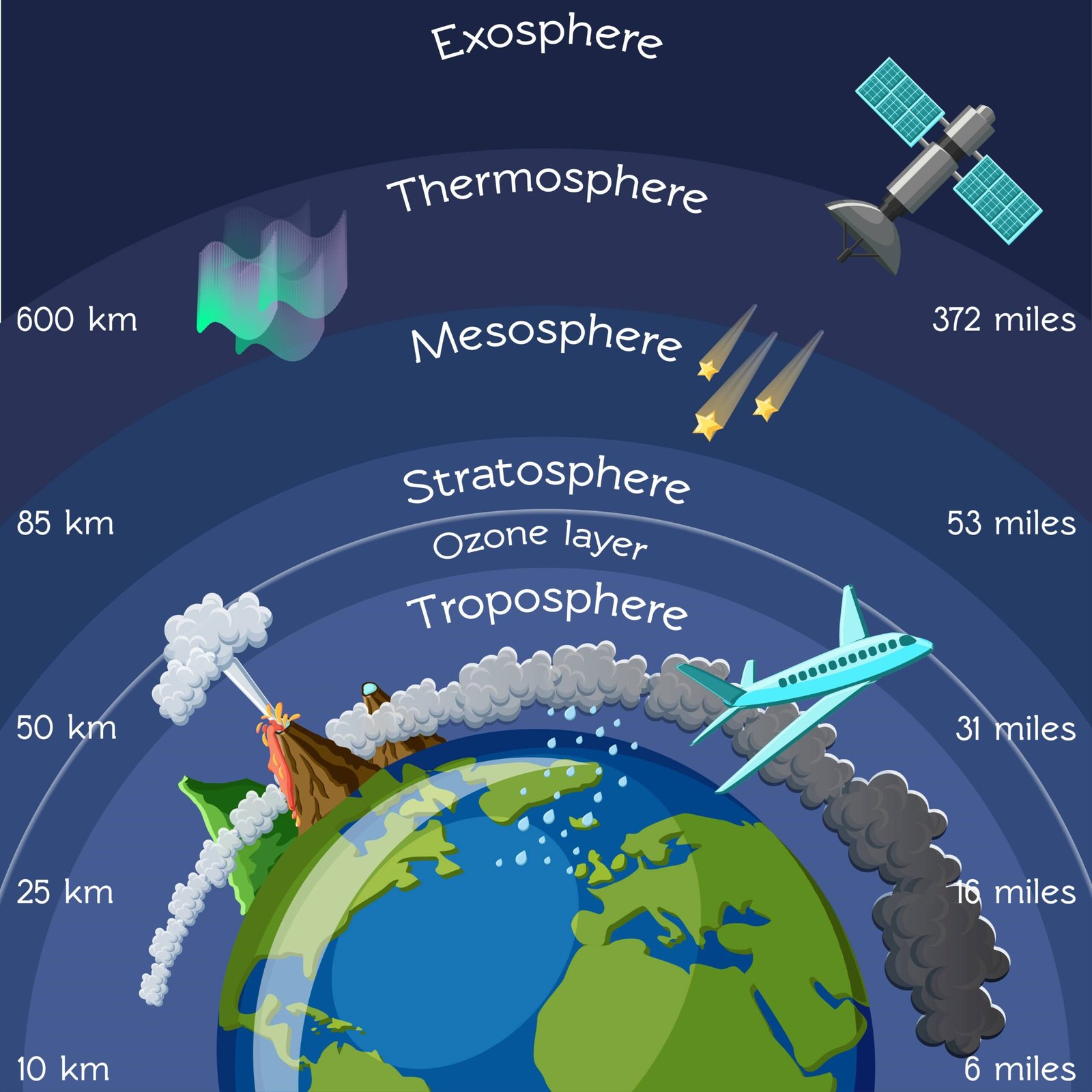
🛡️ The atmosphere also protects Earth.
It blocks harmful rays ☀️❌.
It burns small meteors ☄️.
📌 This protective cover keeps life safe.
💧 Water is essential for life.
Earth has oceans 🌊, rivers 🏞️, lakes, and underground water.
📌 Water helps in digestion, transport, and temperature control.
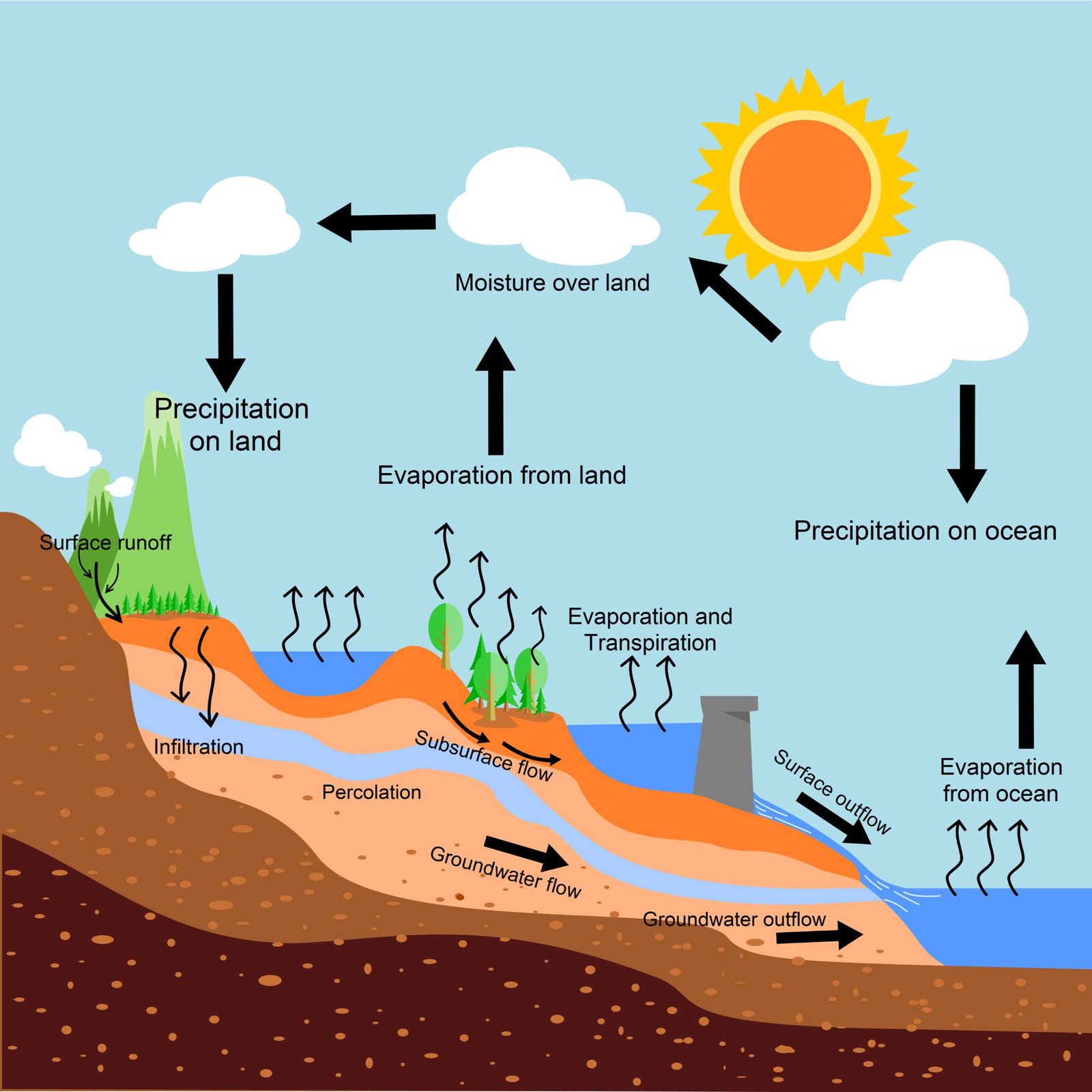
🌊 The water cycle maintains water supply.
Evaporation ☀️➡️💧
Condensation ☁️
Rainfall 🌧️
📌 This cycle supports plants, animals, and humans.
🌱 Land provides space and resources.
Soil supports plant growth 🌾.
Minerals support industries ⚙️.
📌 Different landforms support different lifestyles.
🌍 Lithosphere, hydrosphere, and atmosphere work together.
Land 🌍
Water 💧
Air 🌬️
📌 Their interaction supports ecosystems.
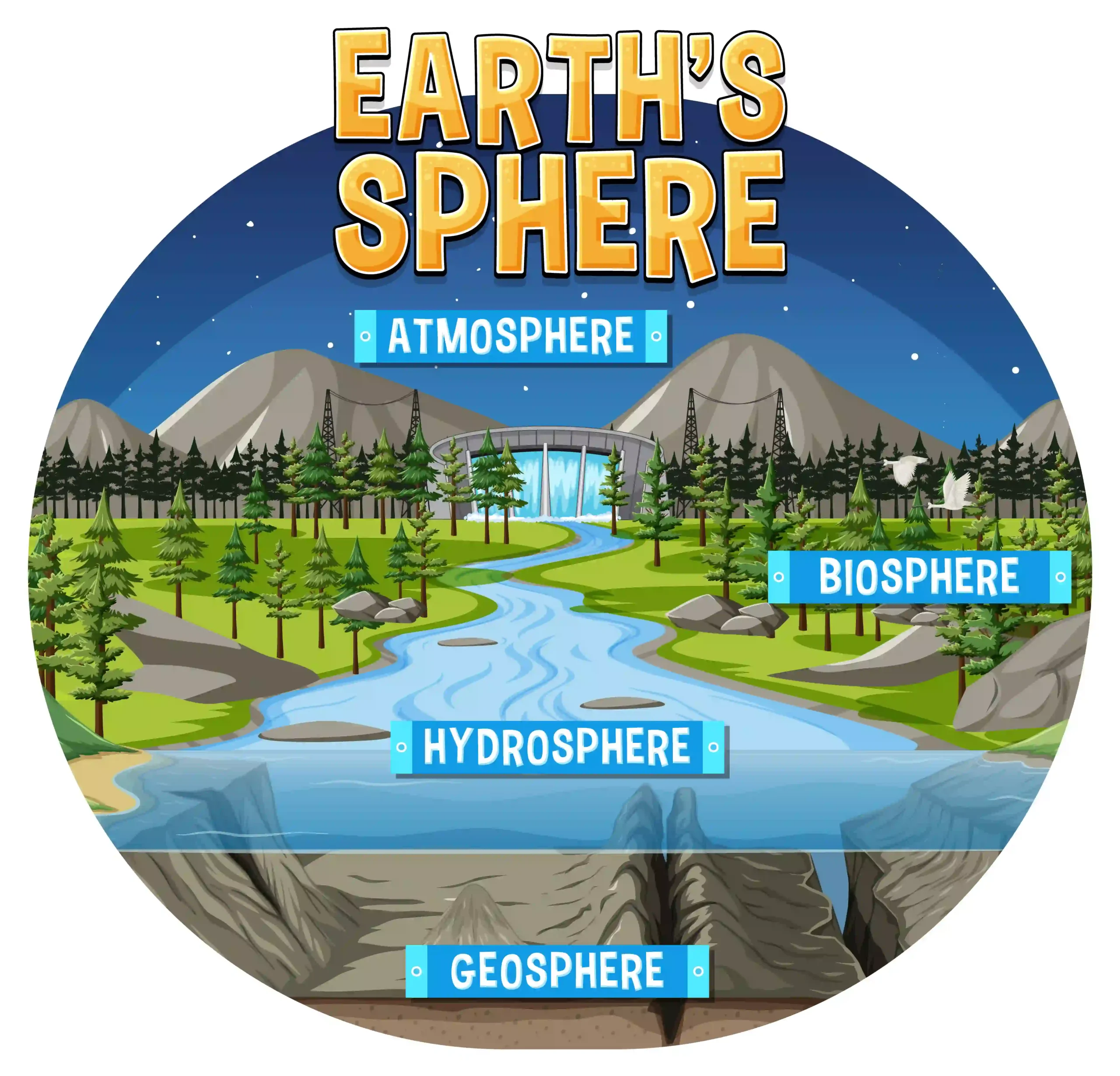
🐾 Living organisms depend on Earth’s resources.
Plants 🌿 make food.
Animals 🐄 eat plants or other animals.
📌 This forms food chains.
🦠 Microorganisms support life quietly.
They decompose waste ♻️.
They recycle nutrients 🌱.
📌 Without them, life would stop.
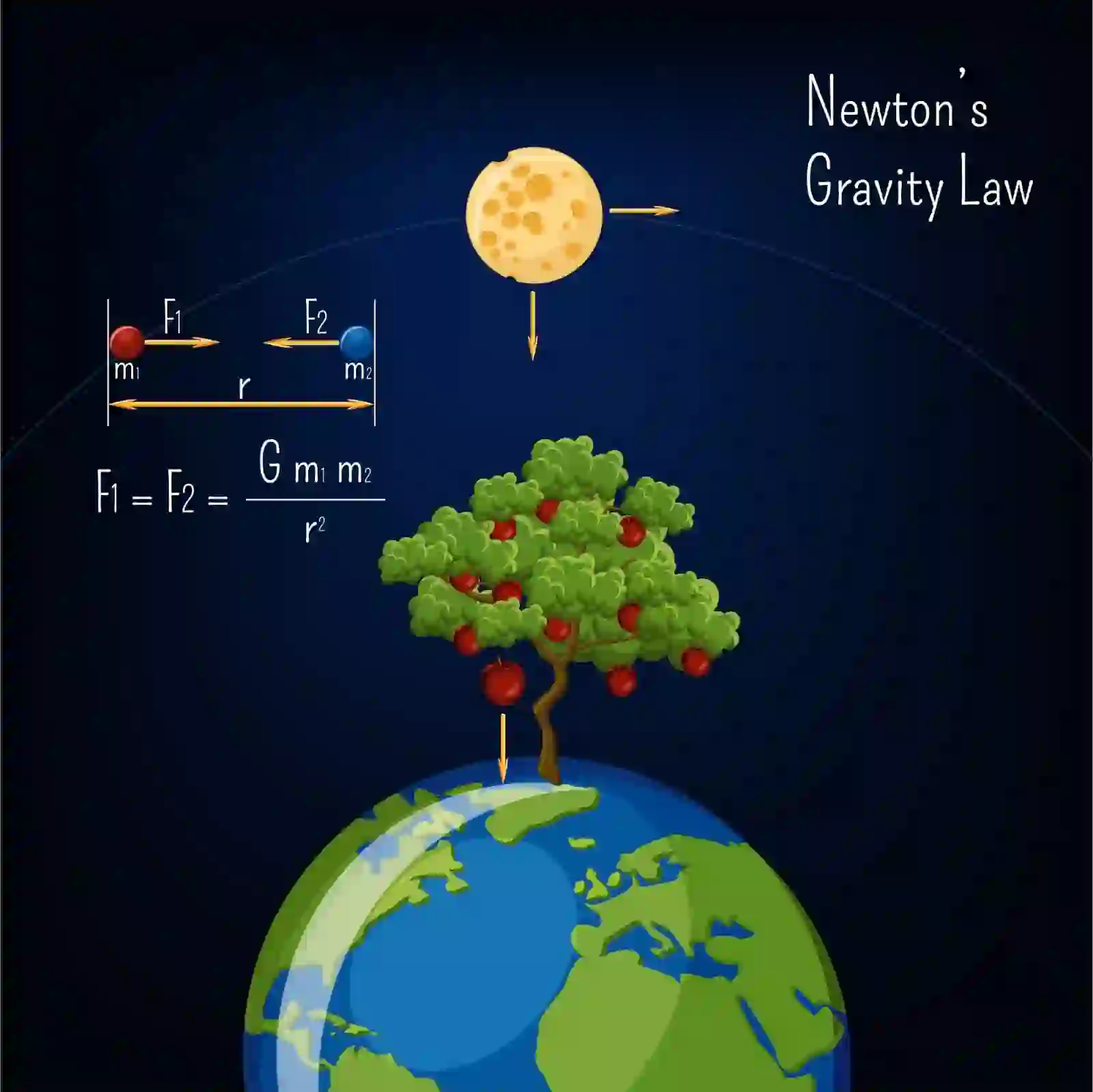
🌍 Gravity holds everything on Earth.
It keeps air and water from escaping.
📌 Gravity also keeps us grounded ⬇️.
⚖️ Temperature balance is maintained naturally.
Water bodies cool and warm slowly 🌊.
Atmosphere spreads heat evenly.
📌 Extreme temperatures are avoided.
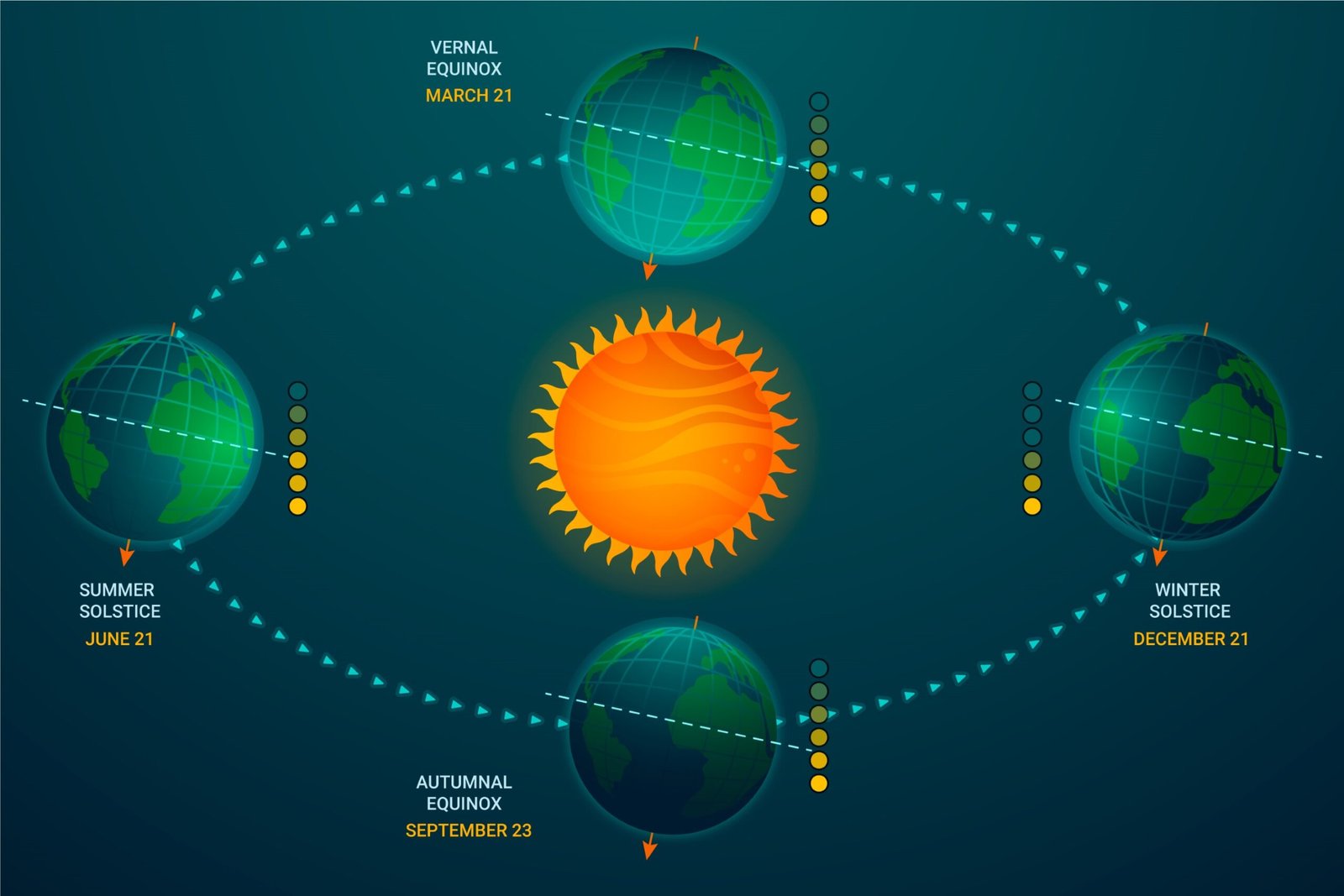
🧭 Rotation and revolution of Earth support life rhythms.
Day and night 🌞🌙
Seasons 🍂🌸
📌 These cycles support growth and survival.
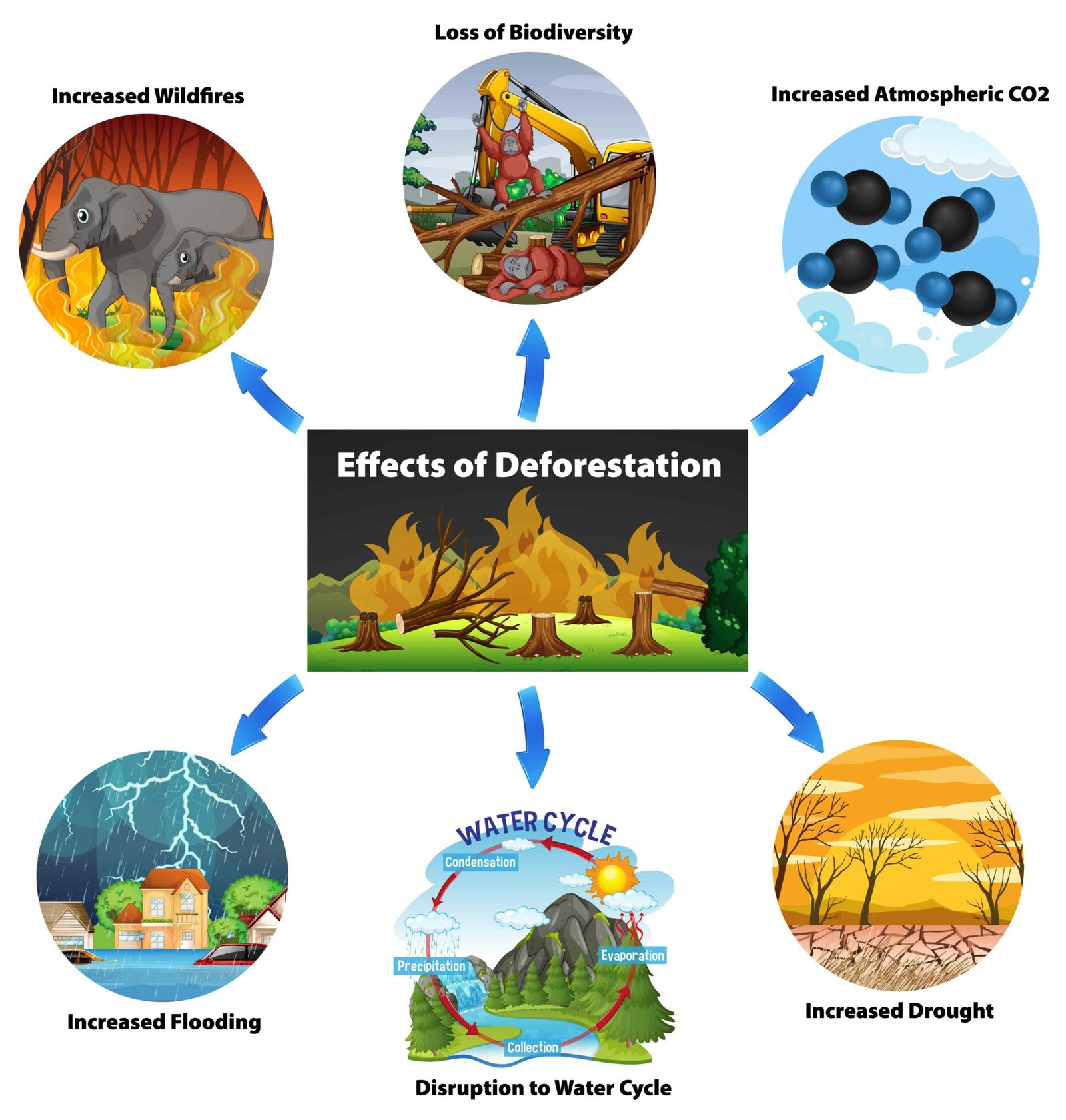
⚠️ Human activities affect Earth.
Pollution 🌫️
Deforestation 🌳❌
Overuse of resources ⛏️
📌 These actions threaten life-support systems.
🌱 Protecting Earth is our responsibility.
Saving water 💧
Planting trees 🌳
Reducing waste ♻️
📌 Small actions protect the planet.
🌍 Earth is not just a planet; it is a living system.
All parts work together in balance.
📜 Respecting Earth ensures survival of present and future generations.
🚀 Understanding Earth builds responsibility, care, and scientific awareness.
📝 Summary of the Lesson
Earth is a unique planet that supports life because it has air, water, suitable temperature, gravity, and energy from the Sun. The atmosphere protects life and provides essential gases. Water exists in large amounts and circulates through the water cycle. Land supports plants, animals, and human activities. Living organisms, microorganisms, and natural cycles work together to maintain balance. Earth’s rotation, revolution, and gravity support daily and seasonal rhythms. Human activities can disturb this balance, so conservation and responsible use of resources are necessary to protect our planet.
⚡ Quick Recap
⭐ Earth supports life
⭐ Correct distance from the Sun
⭐ Atmosphere protects life
⭐ Water is essential
⭐ Land supports ecosystems
⭐ Natural cycles maintain balance
⭐ Earth needs protection
——————————————————————————————————————————————————————————————————————————–
TEXTBOOK QUESTIONS
🔒 ❓ Question 1
What is one major reason Mars cannot currently support life like Earth?
🔵 (i) It has too many volcanoes.
🟢 (ii) It is too close to the Sun.
🟣 (iii) It lacks a thick atmosphere and liquid water.
🔴 (iv) Its magnetic field is too strong.
📌 Answer:
🟣 (iii) It lacks a thick atmosphere and liquid water.
📌 Mars has a very thin atmosphere, which cannot retain heat or support liquid water on the surface. Without sufficient air pressure and stable water, life like that on Earth cannot survive.
🔒 ❓ Question 2
Which of these is an example of geodiversity?
🔵 (i) Variety of birds chirping in a forest.
🟢 (ii) Different landforms like mountains, valleys, and deserts.
🟣 (iii) Changing weather during monsoons.
🔴 (iv) Number of different types of fish in a pond.
📌 Answer:
🟢 (ii) Different landforms like mountains, valleys, and deserts.
📌 Geodiversity refers to the variety of Earth’s physical features such as rocks, landforms, and soils, not living organisms or weather changes.
🔒 ❓ Question 3
If the Earth were smaller with the same density, what might happen to its atmosphere?
🔵 (i) It would become thicker and hotter.
🟢 (ii) It would escape into space due to weaker gravity.
🟣 (iii) It would become frozen.
🔴 (iv) It would cause stronger winds.
📌 Answer:
🟢 (ii) It would escape into space due to weaker gravity.
📌 A smaller Earth would have weaker gravitational pull, making it difficult to hold gases. As a result, the atmosphere would slowly escape into space.
🔒 ❓ Question 4
In sexual reproduction, why are offspring different from their parents?
🔵 (i) They grow in different climates.
🟢 (ii) They eat different food.
🟣 (iii) They acquire new instructions after birth.
🔴 (iv) They get mixed instructions (genes) from both parents.
📌 Answer:
🔴 (iv) They get mixed instructions (genes) from both parents.
📌 During sexual reproduction, genes from both parents combine in new ways, creating variation. This genetic mixing makes offspring similar yet different from their parents.
🔒 ❓ Question 5
You notice tiny green plants growing in cracks on your school wall after the monsoon.
Where did the seeds come from? What conditions helped them grow there?
📌 Answer:
🔵 Seeds may have been carried by wind, birds, or rainwater.
🟢 Dust collected in wall cracks provided a small amount of soil.
🟣 Rainwater supplied moisture needed for germination.
🔴 Sunlight and warmth supported growth.
📌 These favourable conditions together allowed plants to grow even in cracks.
🔒 ❓ Question 6
A city has cut down a large patch of forest to build roads and buildings.
Discuss its effects on local climate, biodiversity, and water availability.
📌 Answer:
🔵 Local temperature may increase due to loss of trees.
🟢 Rainfall may become irregular.
🟣 Many plants and animals may lose their habitat.
🔴 Groundwater recharge will reduce due to less water absorption.
🟡 Water quality may worsen due to increased runoff and pollution.
🔒 ❓ Question 7
A friend says, “The Earth has always had climate changes, so today’s global warming is nothing new.”
How would you respond?
📌 Answer:
🔵 Climate change did occur naturally in the past, but very slowly.
🟢 Today’s global warming is happening rapidly.
🟣 Human activities like burning fossil fuels are a major cause.
🔴 Rapid changes do not give ecosystems enough time to adapt.
📌 Therefore, present global warming is serious and needs urgent action.
🔒 ❓ Question 8
Imagine Earth’s magnetic field suddenly disappeared. What problems could arise for life on Earth?
📌 Answer:
🔵 Harmful solar radiation would directly reach Earth.
🟢 Many living organisms could suffer genetic damage.
🟣 Satellites and communication systems would be affected.
🔴 Atmosphere could slowly be stripped away by solar winds.
🔒 ❓ Question 9
You are designing a new settlement for humans on Mars.
Name three things you would need to recreate from Earth.
Which is hardest to replicate, and why?
📌 Answer:
🔵 A breathable atmosphere.
🟢 Liquid water supply.
🟣 Suitable temperature and protection from radiation.
📌 Hardest to replicate:
🔴 A stable atmosphere, because Mars has weak gravity and no strong magnetic field to retain gases.
🔒 ❓ Question 10
In a village, temperature is increasing and rainfall has become unpredictable.
What could be causing this? Suggest two ways the village could adapt.
📌 Answer:
🔵 Causes include deforestation and climate change.
🟢 Excessive use of fossil fuels also contributes.
📌 Adaptation methods:
🟣 Rainwater harvesting.
🔴 Growing drought-resistant crops.
🔒 ❓ Question 11
If there were no atmosphere on Earth, how would it affect life, temperature, and water?
📌 Answer:
🔵 Life would not survive due to lack of oxygen.
🟢 Extreme temperature differences would occur.
🟣 Water would evaporate or freeze completely.
🔴 Earth would become a lifeless planet.
🔒 ❓ Question 12
Discuss five examples of vegetative propagation.
📌 Answer:
🔵 Potato – stem tuber
🟢 Ginger – rhizome
🟣 Onion – bulb
🔴 Sugarcane – stem cutting
🟡 Bryophyllum – leaf buds
📌 Vegetative propagation allows plants to reproduce quickly without seeds.
——————————————————————————————————————————————————————————————————————————–
OTHER IMPORTANT QUESTIONS
SECTION 1 — MCQs (5 Questions)
🔒 ❓ Q1. Which factor makes Earth suitable for life?
🟢 1️⃣ Extreme temperature
🔵 2️⃣ Presence of water
🟡 3️⃣ Toxic gases
🟣 4️⃣ Lack of air
✔️ Answer: 🔵 2️⃣ Presence of water
💡 Explanation: Water is essential for all life processes on Earth.
🔒 ❓ Q2. Which layer of Earth supports living organisms?
🟢 1️⃣ Lithosphere
🔵 2️⃣ Atmosphere
🟡 3️⃣ Biosphere
🟣 4️⃣ Hydrosphere
✔️ Answer: 🟡 3️⃣ Biosphere
💡 Explanation: Biosphere includes all living organisms and their habitats.
🔒 ❓ Q3. Which gas is essential for breathing?
🟢 1️⃣ Nitrogen
🔵 2️⃣ Carbon dioxide
🟡 3️⃣ Oxygen
🟣 4️⃣ Hydrogen
✔️ Answer: 🟡 3️⃣ Oxygen
💡 Explanation: Oxygen is required for respiration in most living beings.
🔒 ❓ Q4. Which sphere includes oceans, rivers and lakes?
🟢 1️⃣ Lithosphere
🔵 2️⃣ Atmosphere
🟡 3️⃣ Hydrosphere
🟣 4️⃣ Biosphere
✔️ Answer: 🟡 3️⃣ Hydrosphere
💡 Explanation: Hydrosphere consists of all forms of water on Earth.
🔒 ❓ Q5. Which factor protects Earth from harmful solar radiation?
🟢 1️⃣ Clouds
🔵 2️⃣ Ozone layer
🟡 3️⃣ Winds
🟣 4️⃣ Mountains
✔️ Answer: 🔵 2️⃣ Ozone layer
💡 Explanation: The ozone layer absorbs harmful ultraviolet rays.
SECTION 2 — Very Short Answer (5 Questions)
(One or two words only)
🔒 ❓ Q6. Name the layer of air around Earth.
📌 ✅ Answer: Atmosphere
🔒 ❓ Q7. What do we call the solid part of Earth?
📌 ✅ Answer: Lithosphere
🔒 ❓ Q8. Name the life-supporting zone of Earth.
📌 ✅ Answer: Biosphere
🔒 ❓ Q9. Which planet is known as the Blue Planet?
📌 ✅ Answer: Earth
🔒 ❓ Q10. Name the gas that traps heat in the atmosphere.
📌 ✅ Answer: Carbon dioxide
SECTION 3 — Short Answer (3 Questions)
(About 40–50 words)
🔒 ❓ Q11. Why is Earth called a unique planet?
📌 ✅ Answer:
🔹 Earth has air, water and suitable temperature.
🔸 These conditions support the existence of life.
🔹 No other known planet has such favourable conditions.
🔒 ❓ Q12. How does the atmosphere help living organisms?
📌 ✅ Answer:
🔹 The atmosphere provides oxygen for respiration.
🔸 It protects Earth from harmful solar radiation.
🔹 It also helps maintain suitable temperature.
🔒 ❓ Q13. Why is water essential for life on Earth?
📌 ✅ Answer:
🔹 Water is needed for digestion and transport of nutrients.
🔸 It helps regulate body temperature.
🔹 All life processes depend on water.
SECTION 4 — Long Answer (1 Question)
(About 70–80 words)
🔒 ❓ Q14. Explain the factors that make Earth a life-sustaining planet.
📌 ✅ Answer:
🔹 Earth supports life due to the presence of air, water and land.
🔸 The atmosphere provides oxygen and protects from harmful rays.
🔹 Suitable temperature allows water to exist in liquid form.
🔸 The biosphere supports diverse living organisms.
🔹 These factors together make Earth a unique life-sustaining planet.
——————————————————————————————————————————————————————————————————————————–
ADVANCE KNOWLEDGE
🌌 A Tiny Blue World in a Vast Universe
Earth is not just another planet circling a star. It is a rare cosmic coincidence where conditions align perfectly to support life. Among billions of planets, Earth stands out as a self-regulating life system, not merely a rocky sphere.
🧠 Big idea:
Earth is not just a place where life exists — Earth itself behaves like a living system.
🌍 Why Earth Is Called “Our Home”
A home supports, protects, and sustains life.
🧠 Earth provides:
Liquid water
Breathable atmosphere
Stable temperature
Protective shields
⭐ These are not guaranteed features in the universe — they are exceptional.
☀️ The Right Distance from the Sun
Earth lies in the habitable zone.
🧠 Meaning:
Not too hot
Not too cold
⭐ If Earth were slightly closer to the Sun:
Oceans would boil
⭐ If slightly farther:
Water would freeze
🧠 This narrow safe region is often called the Goldilocks Zone.
⚠️ Misconception vs Reality
⚠️ Misconception: Earth is special because life adapted to it
✅ Reality: Earth’s conditions allowed life to begin and survive
⚠️ Misconception: Other planets failed because life was weak
✅ Reality: Life needs very specific conditions to exist
🌊 Water: The Foundation of Life
Water is Earth’s greatest treasure.
🧠 Unique properties of water:
Exists naturally in all three states
Dissolves nutrients
Regulates temperature
⭐ No known life exists without liquid water.
🧠 Oceans store heat and prevent extreme temperature changes.
🌬️ Atmosphere: Earth’s Invisible Shield
Earth’s atmosphere is a multi-layered protection system.
🧠 Roles of atmosphere:
Supplies oxygen
Blocks harmful radiation
Burns small meteors
Maintains pressure
⭐ Without air pressure, liquid water could not exist.
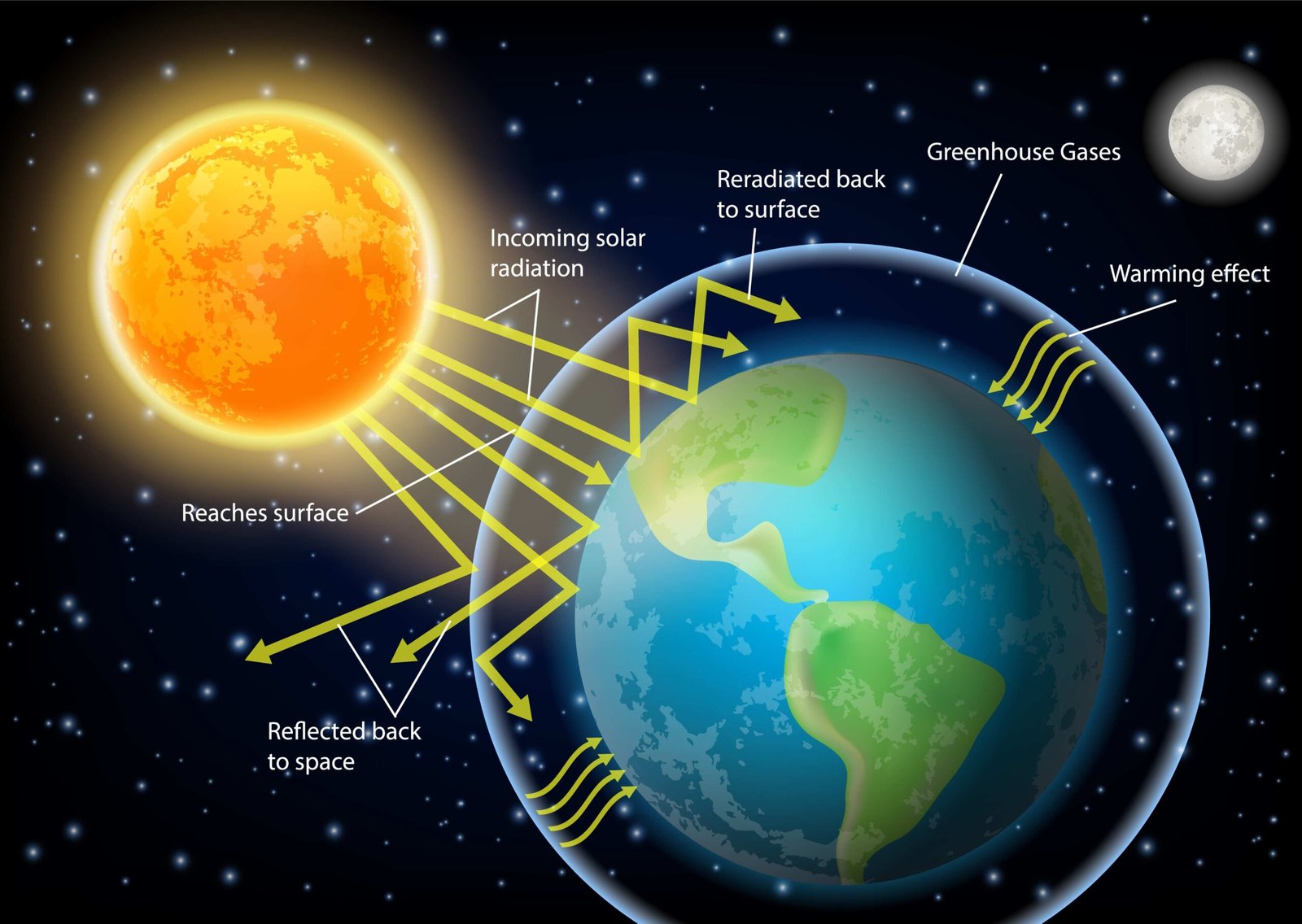
🌡️ Greenhouse Effect: Earth’s Thermal Blanket
Earth stays warm due to the natural greenhouse effect.
🧠 Greenhouse gases:
Carbon dioxide
Water vapour
⭐ They trap heat and prevent Earth from freezing at night.
⚠️ Excess greenhouse gases cause overheating — balance is crucial.
🌍 Gravity: Holding Life in Place
Gravity keeps Earth intact.
🧠 Gravity:
Holds atmosphere
Keeps oceans from escaping
Maintains human movement
⭐ Without gravity, Earth would lose air and water into space.
🧲 Magnetic Field: The Planetary Armor
Earth has a powerful magnetic field.
🧠 Generated by:
Molten iron in Earth’s core
⭐ It:
Deflects solar wind
Protects atmosphere
Prevents radiation damage
🧠 Mars lost its atmosphere after losing its magnetic field.
🪨 Earth’s Structure: Layers of Protection
Earth is layered internally.
🧠 Layers:
Crust → living surface
Mantle → heat engine
Core → magnetic generator
⭐ Earth’s interior drives:
Volcanoes
Plate movement
Magnetic field
🧠 The inside of Earth shapes the outside.
🌋 Plate Tectonics: A Recycling Planet
Earth’s crust is broken into plates.
🧠 Plate movement:
Creates mountains
Recycles nutrients
Regulates carbon levels
⭐ Plate tectonics stabilizes climate over millions of years.
🧠 Planets without plate tectonics lose balance over time.
🌱 Biosphere: The Living Layer
Life exists in a thin zone called the biosphere.
🧠 Biosphere includes:
Land
Water
Air
⭐ Life interacts with rocks, water, and gases constantly.
🧠 Living organisms actively change Earth’s chemistry.
🌍 Earth’s Cycles: The Secret of Sustainability
Earth runs on natural cycles.
🔄 Water cycle
🔄 Carbon cycle
🔄 Nitrogen cycle
⭐ These cycles recycle matter endlessly.
🧠 Waste does not accumulate in nature — it is reused.
🧬 Life Shapes Earth
Life did not just adapt to Earth — it reshaped it.
🧠 Examples:
Plants increased oxygen
Microbes shaped soil
Coral built islands
⭐ Earth’s atmosphere exists because of life itself.
🌌 Earth Compared to Other Planets
Other planets lack one or more life-support systems.
🌌 Mars:
Thin atmosphere
Weak magnetic field
🌌 Venus:
Extreme greenhouse heating
⭐ Earth’s balance is unmatched.
🚀 Modern Science: Studying Earth from Space
🚀 Satellites observe:
Climate change
Ocean currents
Forest cover
🧠 Space view reveals Earth as a single connected system, not separate nations.
⚠️ Human Impact: A New Force on Earth
Humans now influence Earth systems.
⚠️ Effects include:
Climate change
Pollution
Biodiversity loss
🧠 Humans have become a geological force.
⭐ Responsibility grows with power.
🌱 Can Earth Heal Itself?
Earth has recovery ability.
🧠 Nature can heal if:
Damage is reduced
Time is allowed
⭐ But some changes may be irreversible.
🧠 Protection is easier than repair.
🌌 Earth and the Search for Life Elsewhere
Scientists search for Earth-like planets.
🧠 They look for:
Water
Atmosphere
Stable temperature
⭐ Earth is the reference model for life.
⭐ Amazing Earth Facts
⭐ Earth is the only known planet with surface oceans
⭐ Life has existed for over 3.5 billion years
⭐ Earth’s magnetic field flips occasionally
⭐ The biosphere is thinner than an apple peel compared to Earth’s size
🧠 Why Curious Minds Must Understand Earth
This topic teaches:
Planetary science
Environmental responsibility
Systems thinking
🧠 Understanding Earth is the first step to protecting it.
🌟 Final Thought
Earth does not belong to humans.
Humans belong to Earth.
🧠 To understand our planet is to realize how rare, fragile, and precious our only home truly is.
——————————————————————————————————————————————————————————————————————————–