
Class 8 : Science – ( English ) : Lesson 10. Light : Mirrors and Lenses

EXPLANATION AND ANALYSIS
🧭 Light is a form of energy that enables us to see objects around us.
Without light 🌑, our surroundings would remain invisible. Natural sources like the Sun ☀️ and artificial sources like bulbs 💡 provide light that helps us observe shapes, colours 🎨, and movements.
🔍 The study of light explains how images are formed, how mirrors reflect, and how lenses bend light.
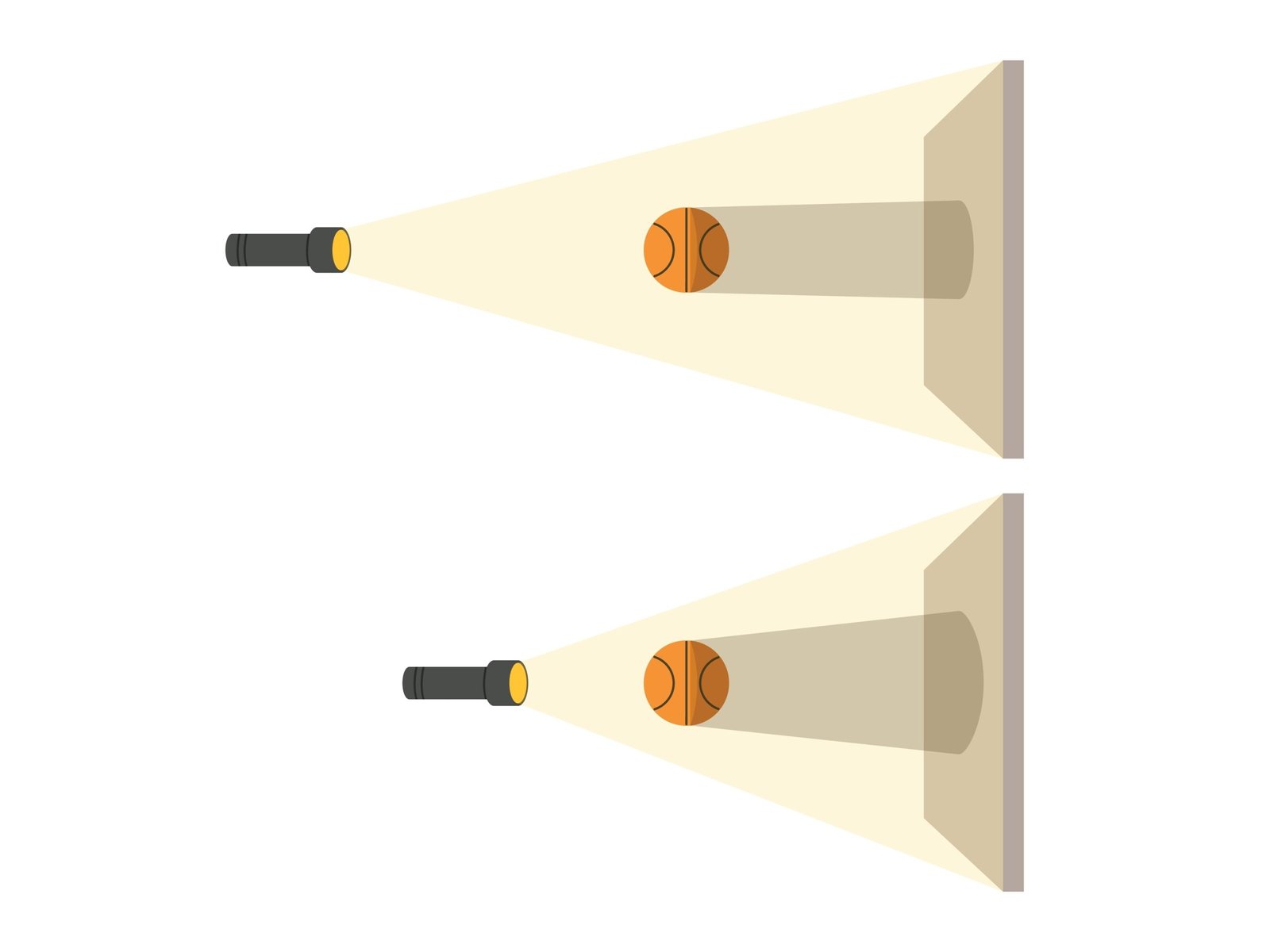
✨ Light travels in straight lines.
This property helps explain shadow formation and image formation.
🕯️ When light from a source is blocked by an object 📦, a shadow is formed on a screen 🧱.
📌 For image or shadow formation, three things are needed:
Light source 💡
Object 📦
Screen 🧱
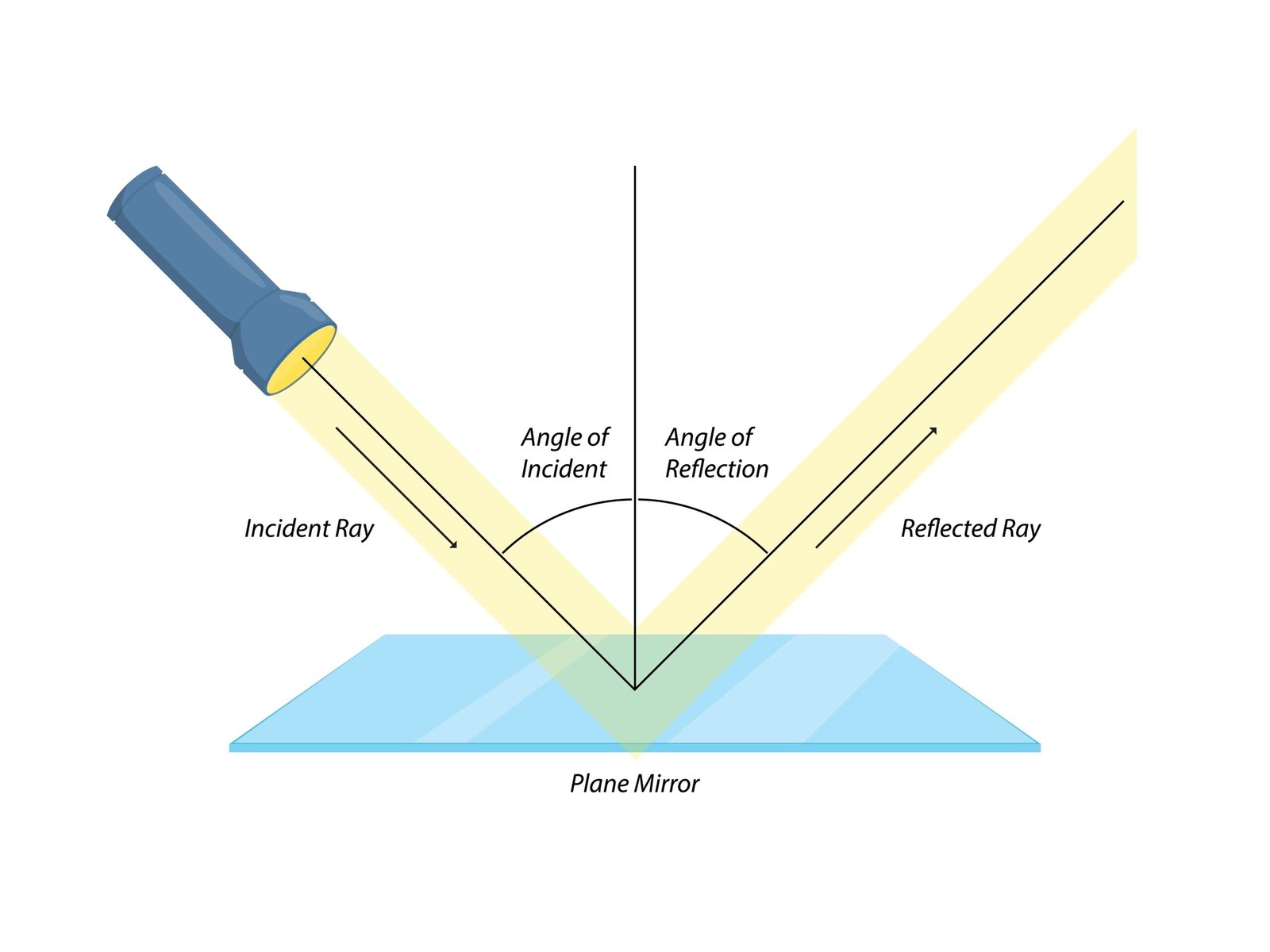
🪞 Reflection of light occurs when light strikes a smooth and shiny surface and bounces back 🔄.
Mirrors are the best examples of reflecting surfaces.
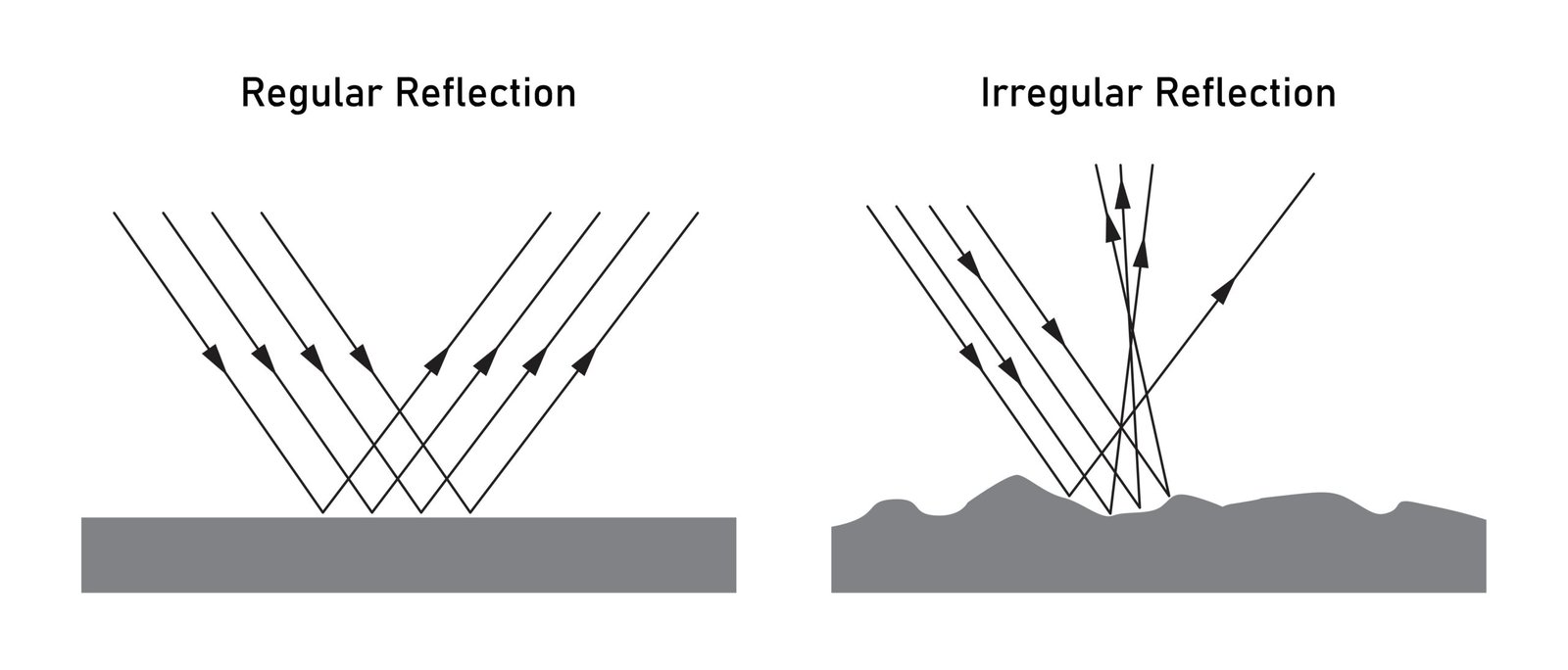
✨ Smooth surfaces give clear reflection.
Rough surfaces scatter light.
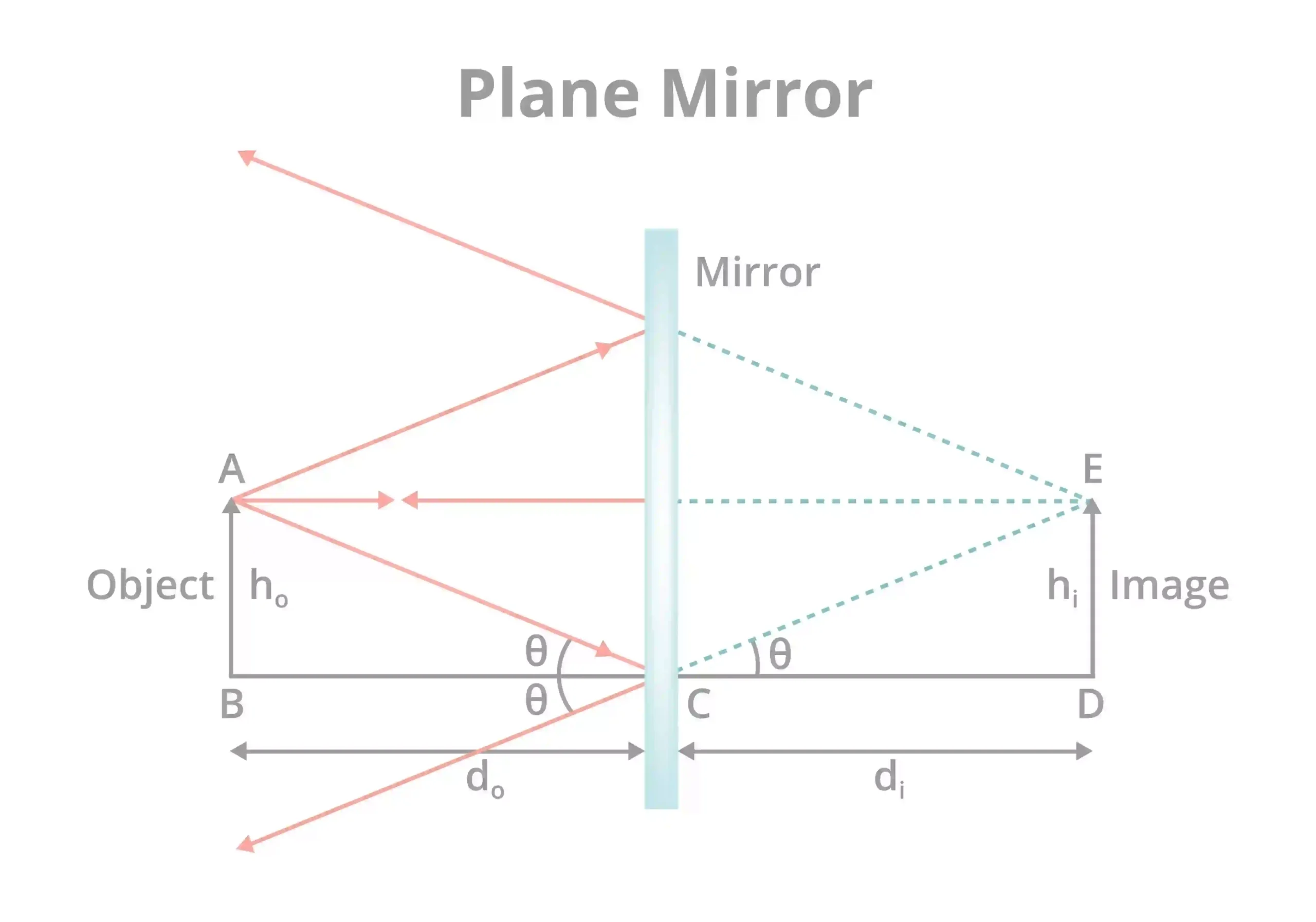
🪞 A plane mirror forms a special type of image.
The image is upright 🙂.
The image is of the same size 📏.
The image appears behind the mirror.
📌 Such an image cannot be obtained on a screen.
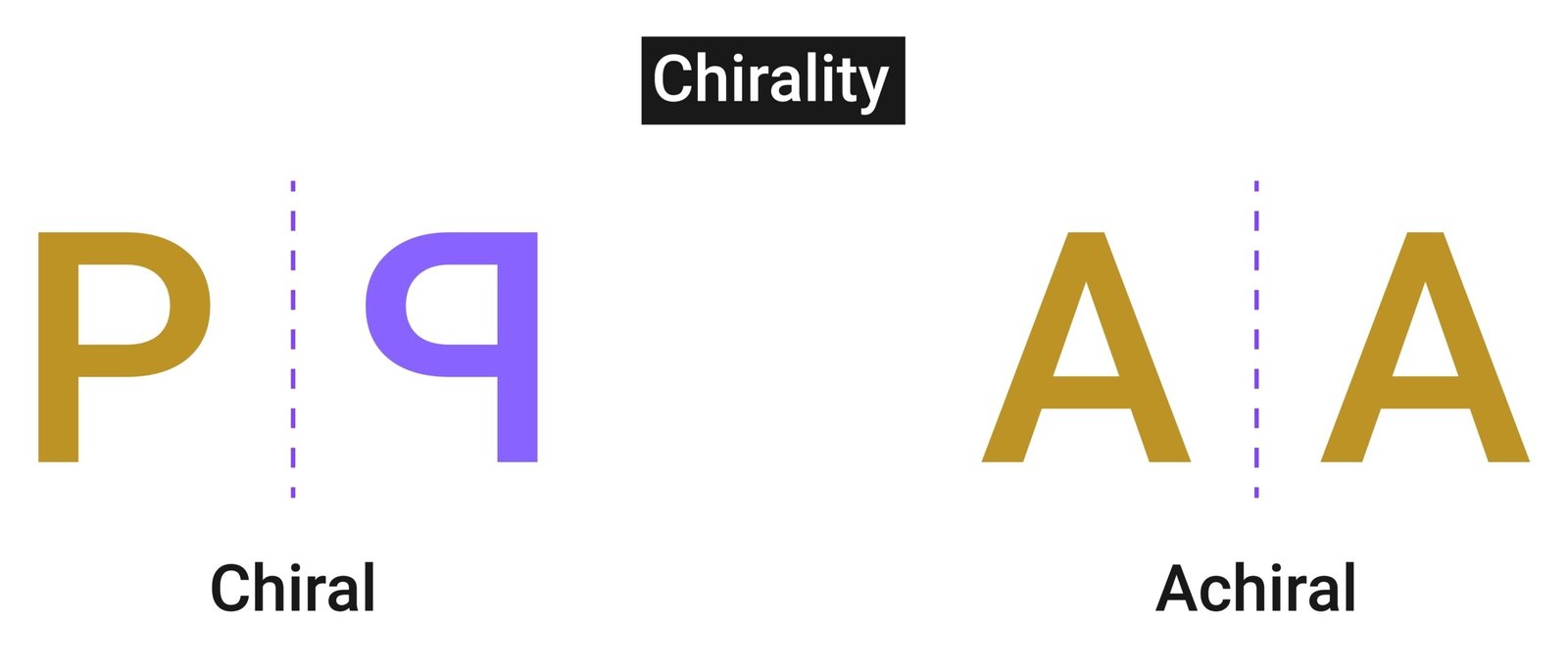
↔️ Lateral inversion is an important feature of plane mirrors.
Left side appears as right and right as left.
🚗 This is why words like AMBULANCE are written reversed on vehicles.
🧭 When two or more mirrors are used, multiple reflections are formed 🔁.
This creates several images.
🔮 This principle is used in kaleidoscopes to create beautiful patterns.
🔍 Spherical mirrors have curved surfaces.
They are of two types:
Concave mirror 🥄
Convex mirror 🥄➡️
🪞 A concave mirror curves inward.
It can form enlarged or diminished images depending on object position.
🔥 Concave mirrors are used in torches and headlights.
They focus light into a strong beam.
🪞 A convex mirror curves outward.
It always forms smaller images.
🚦 Convex mirrors are used as rear-view mirrors.
They show a wider area of the road.

🔍 Lenses are transparent objects that bend light.
They are made of glass or plastic.
🧫 Lenses work due to refraction of light.
🔍 There are two main types of lenses.
Convex lens 🔎
Concave lens 🔍
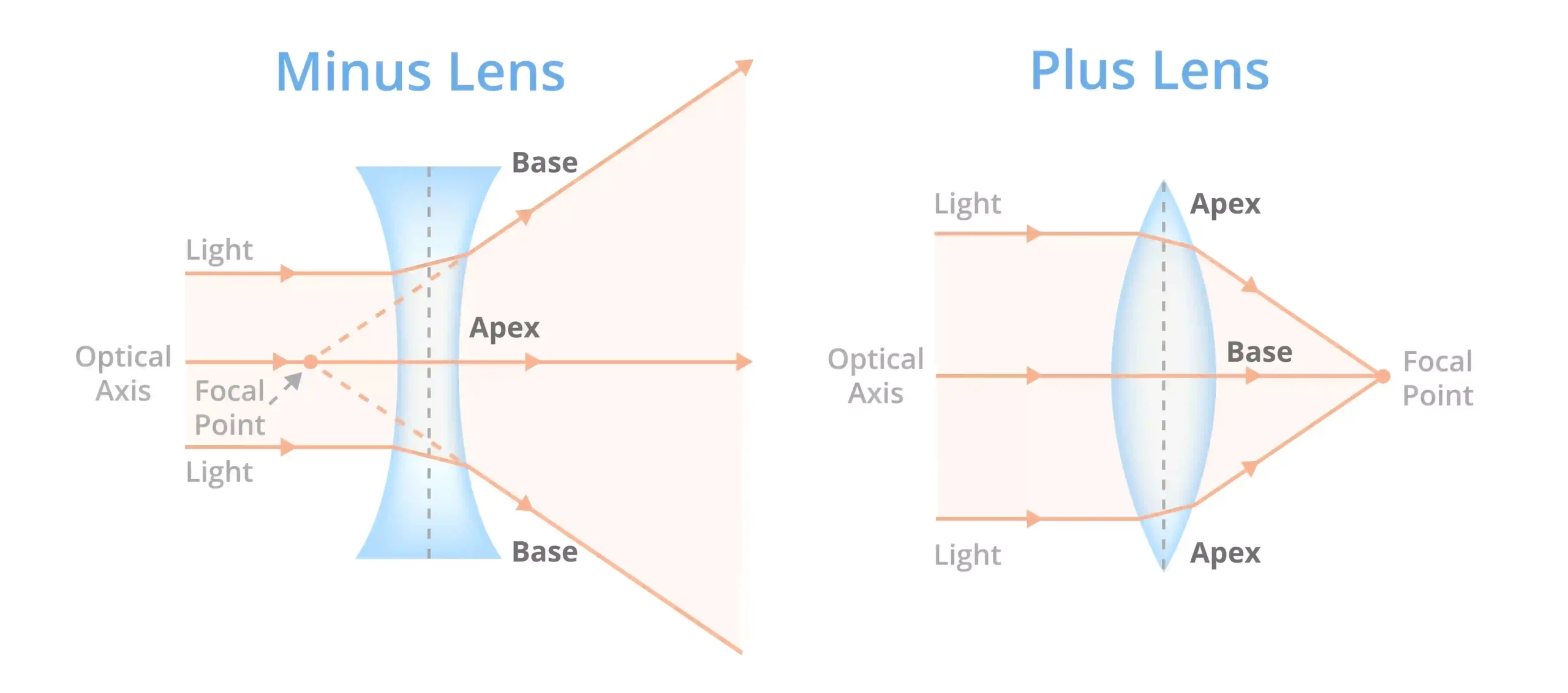
🔎 A convex lens is thicker in the middle.
It can magnify objects.
📖 Convex lenses are used in magnifying glasses and microscopes.
🔍 A concave lens is thinner in the middle.
It always forms smaller images.
👓 Concave lenses are used in spectacles to correct eyesight.
🌈 Light bends when it passes from one medium to another.
This bending is called refraction.
💧 A straw in water appears bent due to refraction.
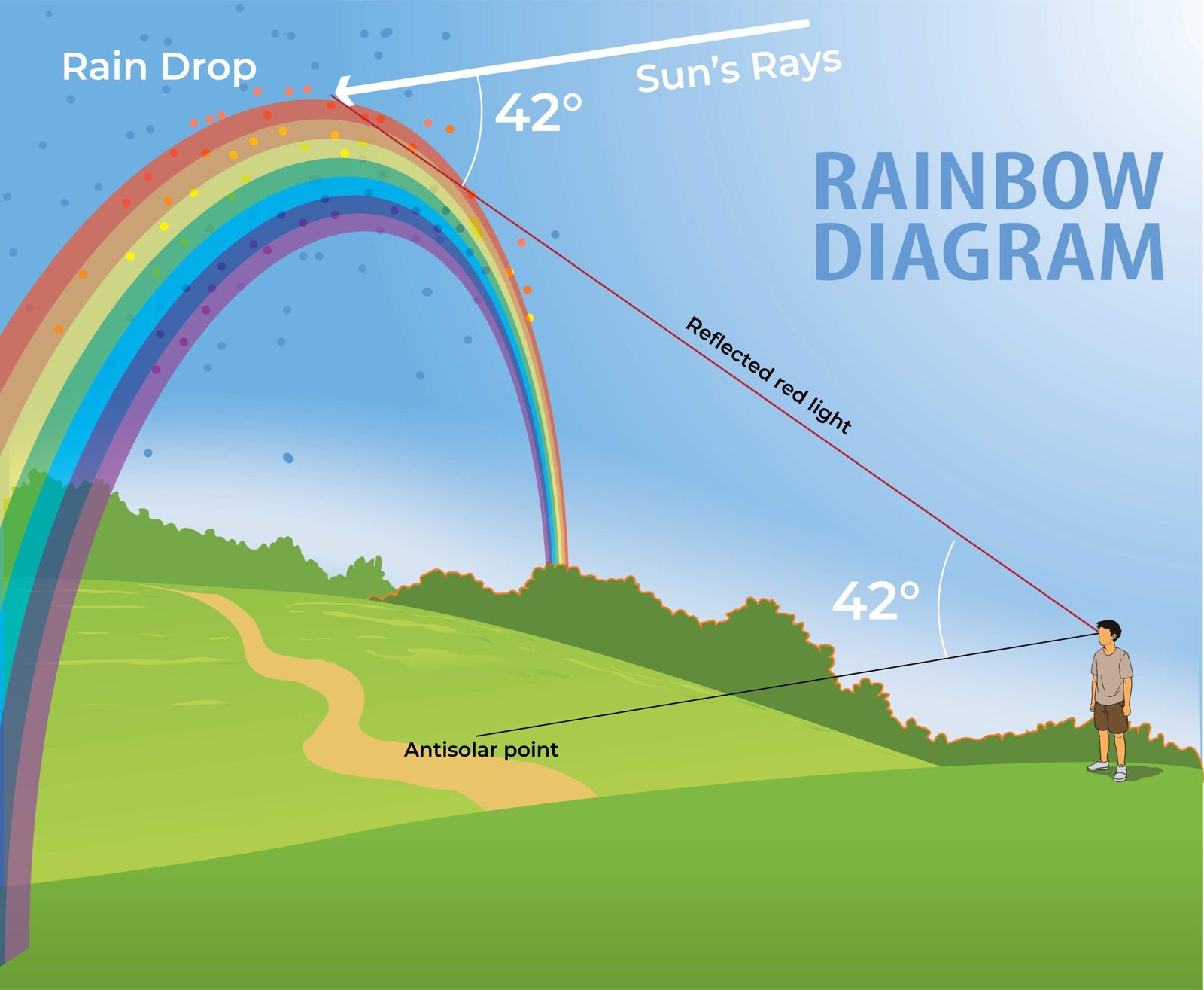
🌍 Reflection and refraction explain many natural phenomena.
Rainbows 🌈
Mirages 🌫️
Vision 👁️
⚠️ Care should be taken while using mirrors and lenses.
Do not look directly at the Sun through lenses ☀️❌.
Glass lenses should be handled carefully 🧤.
🧭 The study of light is important in science and technology.
Cameras 📷
Telescopes 🔭
Microscopes 🔬
🌍 These instruments help explore the world from tiny cells to distant stars.
📜 Light helps us understand vision, images, and optical devices.
From simple mirrors to complex lenses, light plays a key role.
🚀 Learning about light builds a strong base for physics and everyday understanding.
📝 Summary of the Lesson
Light enables us to see objects and understand our surroundings. It travels in straight lines and shows reflection when it strikes smooth surfaces. Plane mirrors form upright images and show lateral inversion. Curved mirrors such as concave and convex mirrors are used for focusing light and for safety purposes. Lenses bend light due to refraction and help in magnification and correction of eyesight. Reflection and refraction explain many natural and technological phenomena. Understanding light helps us use optical devices safely and effectively.
⚡ Quick Recap
⭐ Light helps us see
⭐ Reflection occurs on mirrors
⭐ Plane mirrors show lateral inversion
⭐ Concave and convex mirrors have different uses
⭐ Lenses bend light
⭐ Convex lens magnifies
⭐ Light is important in science
——————————————————————————————————————————————————————————————————————————–
TEXTBOOK QUESTIONS
🔒 ❓ Question 1
A light ray is incident on a mirror and gets reflected by it (Fig. 10.21). The angle made by the incident ray with the normal to the mirror is 40°. What is the angle made by the reflected ray with the mirror?
📌 Answer:
🔵 Angle of incidence = 40°
🔴 Therefore, angle of reflection = 40° (law of reflection)
🟣 Angle made by the reflected ray with the normal = 40°
🟢 Angle made by the reflected ray with the mirror surface = 90° − 40° = 50°
✅ Correct option: (ii) 50°
🔒 ❓ Question 2
Fig. 10.22 shows three different situations where a light ray falls on a mirror.
Draw the reflected ray in each case. What is the angle of reflection in each case?
📌 Answer:
🔵 Case (i):
Light ray falls along the normal.
🟢 Angle of incidence = 0°
🟣 Angle of reflection = 0°
🔴 Case (ii):
Mirror is tilted, but light ray still falls along the normal.
🟢 Angle of incidence = 0°
🟣 Angle of reflection = 0°
🟡 Case (iii):
Light ray falls at an angle of 20° from the normal.
🔵 Angle of incidence = 20°
🟣 Angle of reflection = 20°
🔒 ❓ Question 3
In Fig. 10.23, the cap of a sketch pen is placed in front of three types of mirrors. Match each image with the correct mirror.
📌 Answer:
🔵 Image (i) → Plane mirror
🔴 Image (ii) → Concave mirror
🟣 Image (iii) → Convex mirror
🟢 Plane mirror forms same-size images.
🟡 Concave mirror forms magnified images when object is close.
🔵 Convex mirror always forms diminished images.
🔒 ❓ Question 4
In Fig. 10.24, the cap of a sketch pen is placed behind a convex lens, a concave lens, and a flat transparent glass piece at the same distance. Match each image with the correct lens or glass.
📌 Answer:
🔵 Image (i) → Flat transparent glass piece
🔴 Image (ii) → Convex lens
🟣 Image (iii) → Concave lens
🟢 Flat glass does not change image size.
🟡 Convex lens magnifies the object.
🔵 Concave lens diminishes the object.
🔒 ❓ Question 5
When the light is incident along the normal on the mirror, which statement is true?
📌 Answer:
🔵 Correct option: (ii)
Angle of incidence is 0°.
🟣 The ray retraces its path after reflection.
🔒 ❓ Question 6
Three mirrors—plane, concave, and convex—are placed in Fig. 10.25. Identify the mirrors from the images formed.
📌 Answer:
🔵 Left mirror → Concave mirror
🔴 Middle mirror → Plane mirror
🟣 Right mirror → Convex mirror
🟢 Concave mirror enlarges image.
🟡 Plane mirror keeps image same size.
🔵 Convex mirror diminishes image.
🔒 ❓ Question 7
In a museum, a woman walks towards a large convex mirror. She will see that:
📌 Answer:
🔵 Correct option: (i)
Her erect image keeps decreasing in size.
🟣 Convex mirrors always form erect and diminished images.
🔒 ❓ Question 8
Hold a magnifying glass over text. What do you notice as you move it away? Which lens is a magnifying glass?
📌 Answer:
🔵 Text appears bigger when glass is close.
🔴 On moving away, image becomes blurred or inverted.
🟣 A magnifying glass is a convex lens.
🔒 ❓ Question 9
Match Column I with Column II.
📌 Answer:
🔵 Concave mirror → Reflecting surface curves inward
🔴 Convex mirror → Always erect and diminished image
🟣 Convex lens → Image may be inverted
🟢 Concave lens → Always diminished image
🔒 ❓ Question 10
Assertion–Reason:
Convex mirrors are preferred for observing traffic behind us.
📌 Answer:
🔵 Correct option: (i)
Both Assertion and Reason are true, and Reason correctly explains Assertion.
🔒 ❓ Question 11
Based on Fig. 10.27, identify the mirrors.
📌 Answer:
🔵 Correct option: (ii)
Figure (a) → Convex mirror
Figure (b) → Concave mirror
🔒 ❓ Question 12
A pencil appears bent in a water-filled glass. Explain why.
📌 Answer:
🔵 Pencil appears bent due to refraction of light.
🔴 Light changes direction when passing from air to water.
🟣 This causes apparent displacement of the pencil.
——————————————————————————————————————————————————————————————————————————–
OTHER IMPORTANT QUESTIONS
SECTION 1 — MCQs (5 Questions)
🔒 ❓ Q1. Which mirror is used as a rear-view mirror in vehicles?
🟢 1️⃣ Concave mirror
🔵 2️⃣ Convex mirror
🟡 3️⃣ Plane mirror
🟣 4️⃣ Spherical mirror
✔️ Answer: 🔵 2️⃣ Convex mirror
💡 Explanation: A convex mirror gives a wider field of view and forms erect, diminished images.
🔒 ❓ Q2. Which mirror can form both real and virtual images?
🟢 1️⃣ Plane mirror
🔵 2️⃣ Convex mirror
🟡 3️⃣ Concave mirror
🟣 4️⃣ Flat mirror
✔️ Answer: 🟡 3️⃣ Concave mirror
💡 Explanation: A concave mirror forms real images for distant objects and virtual images for nearby objects.
🔒 ❓ Q3. Which lens is thicker at the centre?
🟢 1️⃣ Concave lens
🔵 2️⃣ Convex lens
🟡 3️⃣ Cylindrical lens
🟣 4️⃣ Plane lens
✔️ Answer: 🔵 2️⃣ Convex lens
💡 Explanation: A convex lens converges light rays and is thicker at the centre.
🔒 ❓ Q4. What type of image is formed by a plane mirror?
🟢 1️⃣ Real and inverted
🔵 2️⃣ Virtual and erect
🟡 3️⃣ Real and erect
🟣 4️⃣ Virtual and inverted
✔️ Answer: 🔵 2️⃣ Virtual and erect
💡 Explanation: A plane mirror always forms a virtual, erect image of the same size.
🔒 ❓ Q5. Which lens is used to correct short-sightedness?
🟢 1️⃣ Convex lens
🔵 2️⃣ Concave lens
🟡 3️⃣ Cylindrical lens
🟣 4️⃣ Plane lens
✔️ Answer: 🔵 2️⃣ Concave lens
💡 Explanation: A concave lens spreads light rays and helps focus the image on the retina.
SECTION 2 — Very Short Answer (5 Questions)
(One or two words only)
🔒 ❓ Q6. Name the point where parallel rays meet after reflection.
📌 ✅ Answer: Focus
🔒 ❓ Q7. Which mirror has a wider field of view?
📌 ✅ Answer: Convex
🔒 ❓ Q8. Name the lens used in magnifying glass.
📌 ✅ Answer: Convex
🔒 ❓ Q9. What type of image is formed on a screen?
📌 ✅ Answer: Real
🔒 ❓ Q10. Name the centre of a lens.
📌 ✅ Answer: Optical centre
SECTION 3 — Short Answer (3 Questions)
(About 40–50 words)
🔒 ❓ Q11. Why is a convex mirror used as a rear-view mirror?
📌 ✅ Answer:
🔹 A convex mirror provides a wide field of view.
🔸 It forms erect and diminished images of objects.
🔹 This helps the driver see more area behind the vehicle clearly.
🔒 ❓ Q12. How is a concave mirror useful in daily life?
📌 ✅ Answer:
🔹 A concave mirror can form magnified images.
🔸 It is used by dentists and in shaving mirrors.
🔹 It is also used in torches to produce parallel light beams.
🔒 ❓ Q13. Differentiate between convex and concave lenses.
📌 ✅ Answer:
🔹 A convex lens converges light rays and is thicker at the centre.
🔸 A concave lens diverges light rays and is thinner at the centre.
🔹 Both lenses form different types of images.
SECTION 4 — Long Answer (1 Question)
(About 70–80 words)
🔒 ❓ Q14. Explain the types of mirrors and their uses.
📌 ✅ Answer:
🔹 Mirrors are mainly of three types: plane, concave and convex.
🔸 Plane mirrors form virtual and erect images of the same size.
🔹 Concave mirrors can form real or virtual images and are used in torches and shaving mirrors.
🔸 Convex mirrors always form virtual and diminished images and are used as rear-view mirrors.
——————————————————————————————————————————————————————————————————————————–
ADVANCE KNOWLEDGE
🌍 Light: Nature’s Smart Messenger
Light does much more than help us see. It carries information, changes direction intelligently, forms images, and allows humans to explore everything from tiny cells to distant galaxies. Mirrors and lenses are not just objects—they are tools that teach light how to behave.
🧠 Big idea:
Light follows rules, and mirrors and lenses are devices that guide those rules.
🧠 Reflection and Refraction: Two Powerful Behaviours
Light interacts with surfaces and materials in two main ways.
🪞 Reflection
Light bounces back
Happens on shiny surfaces
🔍 Refraction
Light bends when it passes from one medium to another
⭐ Image formation is the result of controlled reflection or refraction.
⚠️ Misconception vs Reality
⚠️ Misconception: Mirrors reverse objects
✅ Reality: Mirrors reverse left and right, not top and bottom
⚠️ Misconception: Lenses magnify everything
✅ Reality: Lenses can magnify, reduce, or simply redirect light
🪞 Plane Mirrors: Simple but Powerful
A plane mirror forms images by regular reflection.
🧠 Image properties:
Virtual (cannot be caught on a screen)
Same size as object
Upright
Laterally inverted
⭐ Plane mirrors are used in:
Homes
Periscopes
Kaleidoscopes
🧠 The mirror does not store images—it rearranges light paths.
🪞 Multiple Reflections: Images from Images
When light reflects repeatedly, fascinating patterns appear.
🧠 Examples:
Two mirrors at an angle
Kaleidoscopes
⭐ This principle is used in art, design, and optical instruments.
🔍 Spherical Mirrors: Curving Light Paths
Curved mirrors control light more powerfully.
🧠 Two types:
Concave mirror (curves inward)
Convex mirror (curves outward)
⭐ Curvature allows mirrors to converge or diverge light.
🪞 Concave Mirrors: Light Gatherers
Concave mirrors focus light.
🧠 Uses:
Shaving mirrors
Torch reflectors
Solar cookers
⭐ They can form:
Real images (on screen)
Virtual images (magnified)
🧠 Image nature depends on object position.
🪞 Convex Mirrors: Safety Mirrors
Convex mirrors spread light.
🧠 Features:
Always form virtual images
Show wider field of view
⭐ Used as:
Rear-view mirrors
Security mirrors
🧠 They trade image size for greater visibility.
🔍 Refraction: Light Changes Direction
When light enters a new medium:
Speed changes
Direction changes
⭐ This bending is called refraction.
🧠 Refraction explains:
Bent straw in water
Swimming pool appearing shallow
🔎 Lenses: Sculptors of Light
Lenses are transparent materials with curved surfaces.
🧠 Types:
Convex lens (thicker at centre)
Concave lens (thinner at centre)
⭐ Lenses form images by refraction, not reflection.
🔎 Convex Lenses: Focus and Magnify
Convex lenses converge light.
🧠 Uses:
Magnifying glasses
Cameras
Human eye
Microscopes
⭐ They can form:
Real images
Virtual images
🧠 Object distance decides image type.
🔎 Concave Lenses: Spread and Correct
Concave lenses diverge light.
🧠 Uses:
Spectacles for myopia
Peepholes
⭐ They always form:
Virtual
Erect
Diminished images
👁️ Human Eye: A Natural Optical System
The eye is a living lens system.
🧠 Key parts:
Cornea
Lens
Retina
⭐ The eye continuously adjusts lens shape to focus light.
🧠 Vision problems occur when focusing fails.
🚀 Mirrors and Lenses in Technology
Modern technology depends on optics.
🚀 Applications:
Telescopes
Microscopes
Cameras
Projectors
⭐ Space exploration depends on precision optics.
🌍 Light Beyond Visibility
Human eyes see only a small part of light.
🧠 Invisible forms:
Infrared
Ultraviolet
⭐ Optical devices help us see beyond natural limits.
⚠️ Optical Illusions: When Light Tricks the Brain
Sometimes the brain misinterprets light.
🧠 Causes:
Multiple reflections
Refraction errors
⭐ This shows that seeing is not only physics—it is also biology and psychology.
🌌 Light in Space
In space:
Light travels uninterrupted
Reflection and refraction still apply
⭐ Stars are studied only through light analysis.
⭐ Amazing Facts
⭐ The Moon shines by reflected sunlight
⭐ A convex mirror never forms a real image
⭐ Lenses can focus sunlight enough to melt metal
⭐ Light bends differently in different materials
🧠 Why Curious Minds Must Understand Optics
This topic develops:
Logical reasoning
Spatial imagination
Technological awareness
🧠 Optics connects science with vision, art, medicine, and astronomy.
🌟 Final Thought
Mirrors show us where light has been.
Lenses show us where light can go.
🧠 To understand mirrors and lenses is to learn how light reveals the hidden structure of the world.
——————————————————————————————————————————————————————————————————————————–