
Class 7 : Science – ( English ) : Lesson 8. Measurement of Time and Motion

EXPLANATION AND ANALYSIS
🧭 Time is something we experience every moment, even though we cannot see or touch it.
From waking up ⏰ to going to sleep 🌙, from school schedules 📘 to festivals 🎉, life moves according to time. Measuring time helps us organize activities and understand changes around us.
🧠 Time measurement allows us to compare events.
Which activity took longer?
Which happened earlier?
Which will happen later?
🔍 To answer such questions, humans developed methods and instruments to measure time accurately.
📜 In ancient times, people observed natural events to measure time.
The rising and setting of the Sun ☀️
The changing phases of the Moon 🌙
The movement of stars 🌌
🧠 These observations helped people understand days, months, and years.
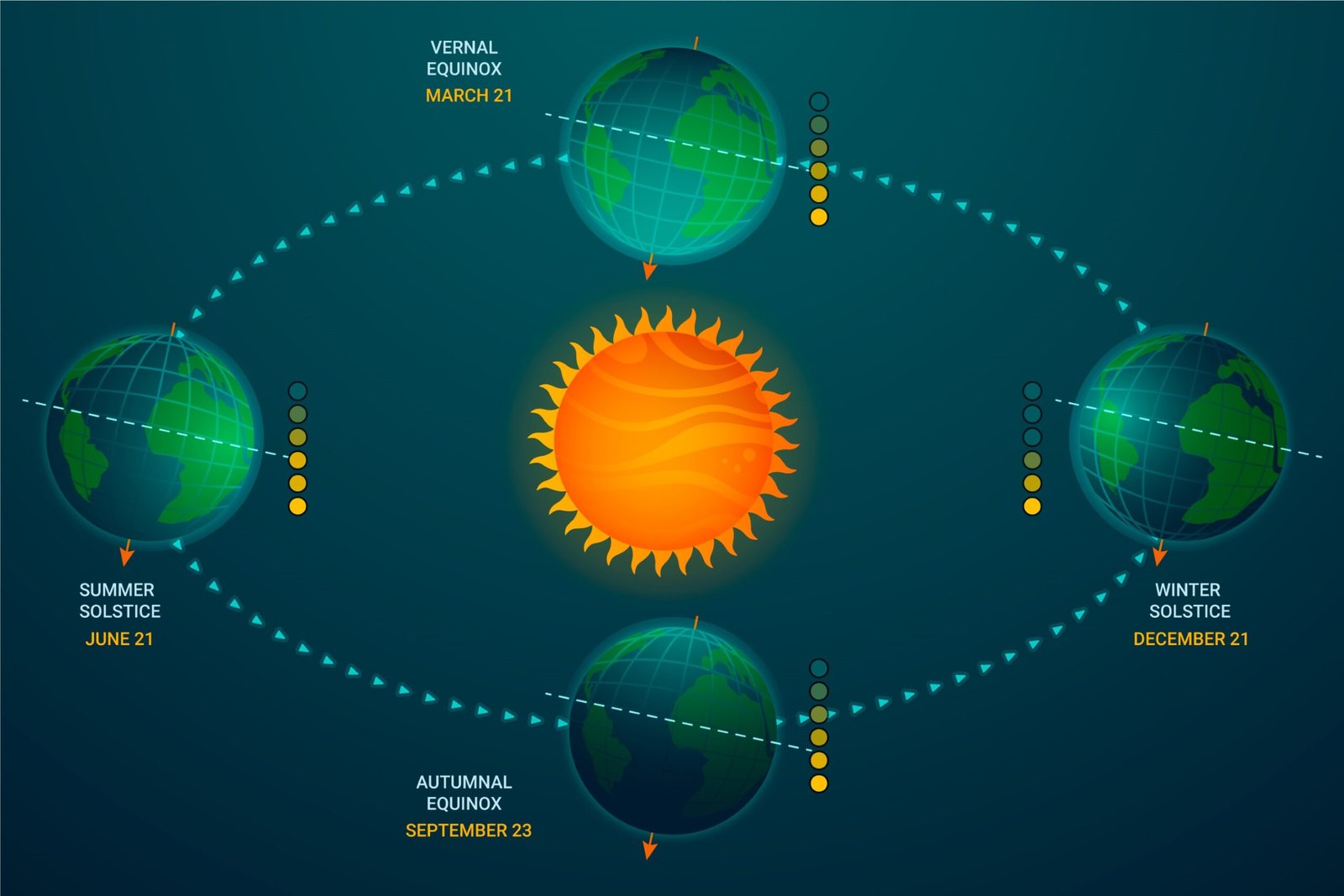
🧭 One of the earliest time-measuring devices was the sundial.
It used the shadow of an object to indicate time 🌞➡️📐.
🧠 Sundials worked only during the daytime and in sunlight.
Cloudy weather reduced accuracy ☁️.
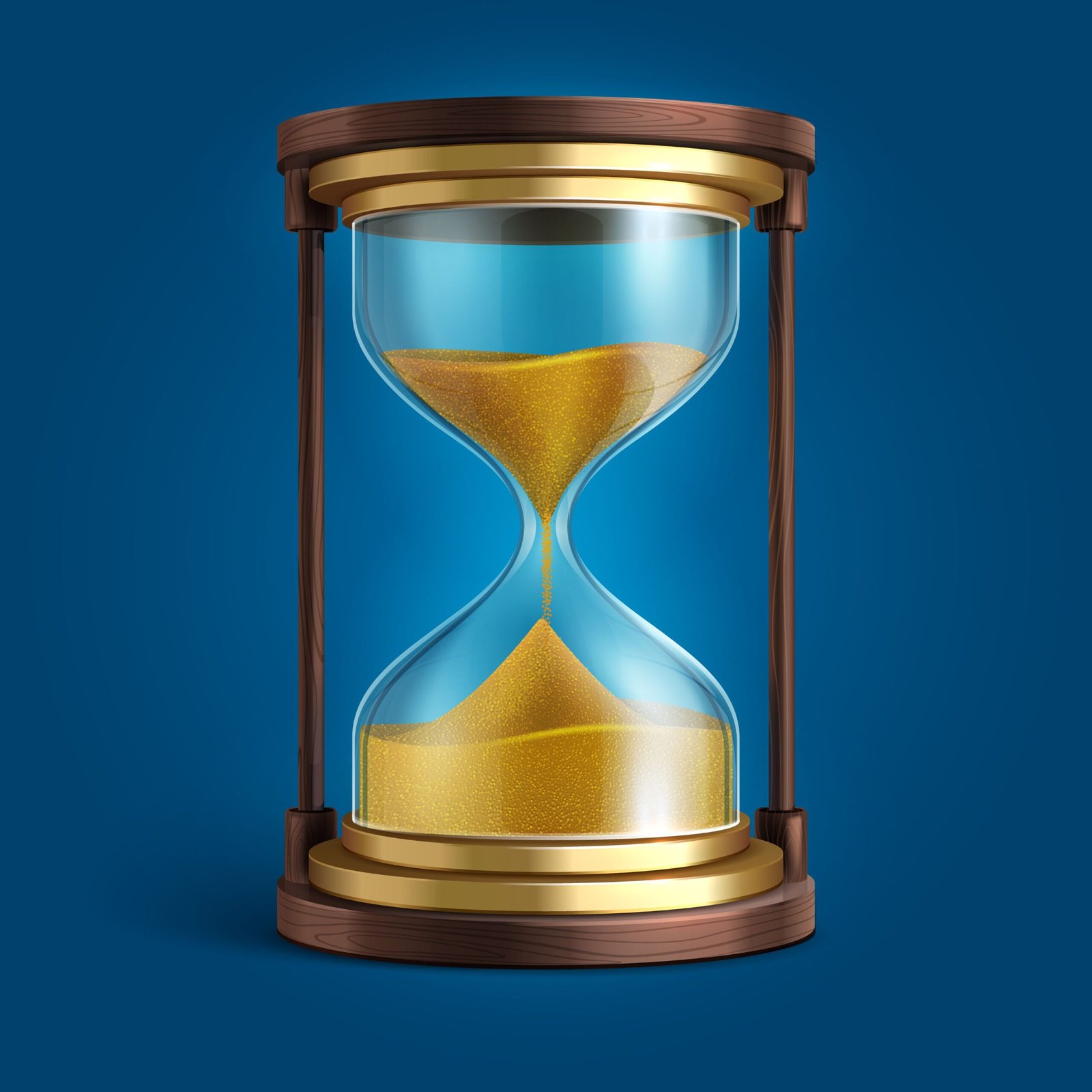
⏳ The sand clock or hourglass was another early device.
Sand flowed from one chamber to another ⌛.
🧠 It measured fixed time intervals but could not show exact time.
💧 Water clocks were also used.
Water flowed slowly from one container to another.
🧠 These clocks worked both day and night but needed careful control of water flow.
🧭 With scientific progress, more accurate clocks were developed.
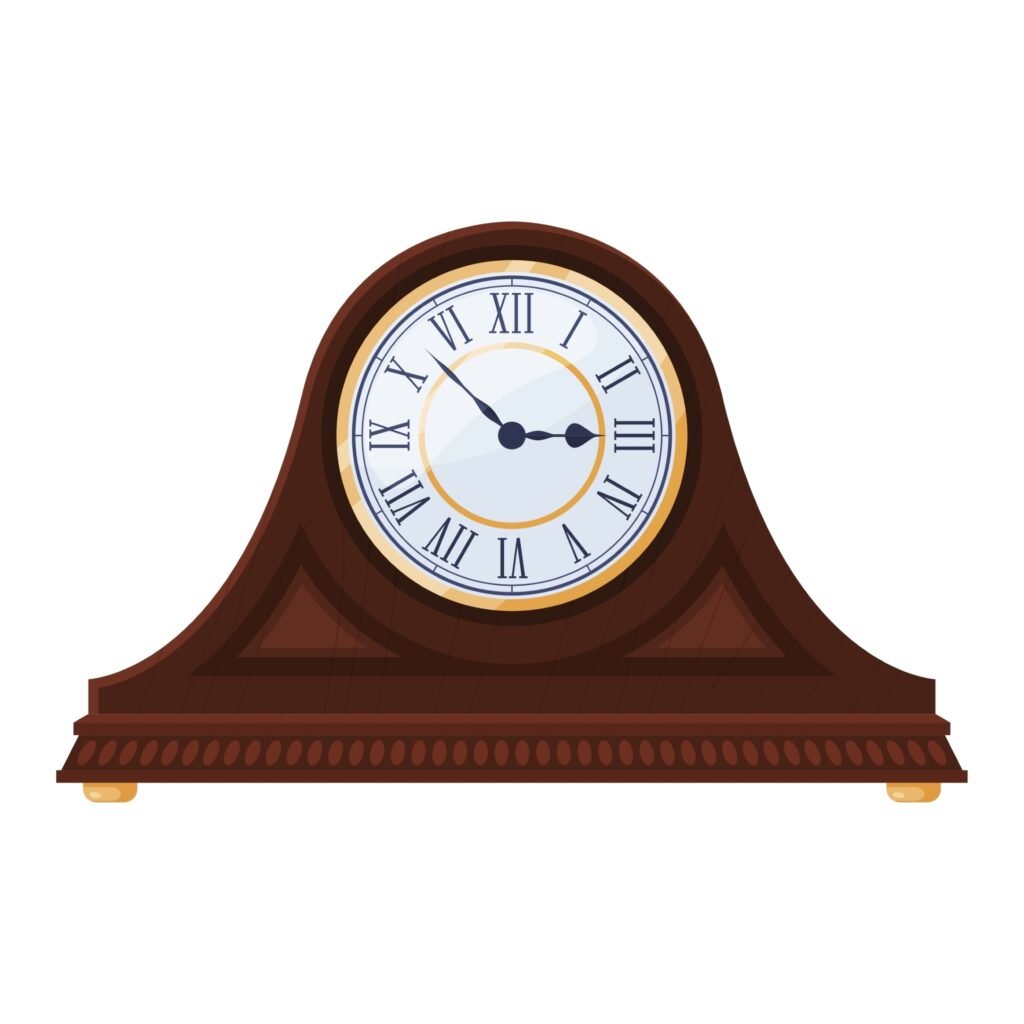
Mechanical clocks 🕰️
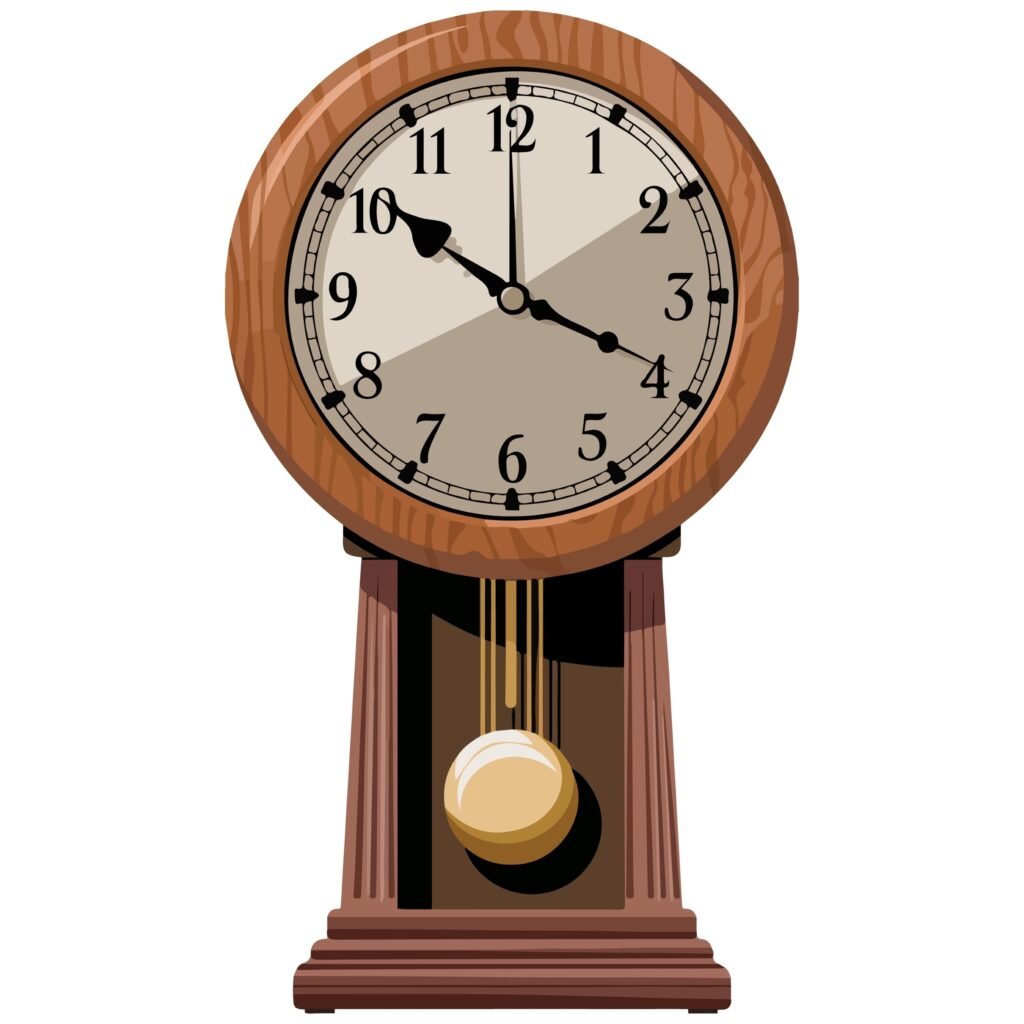
Pendulum clocks ⚖️
Quartz clocks ⏱️
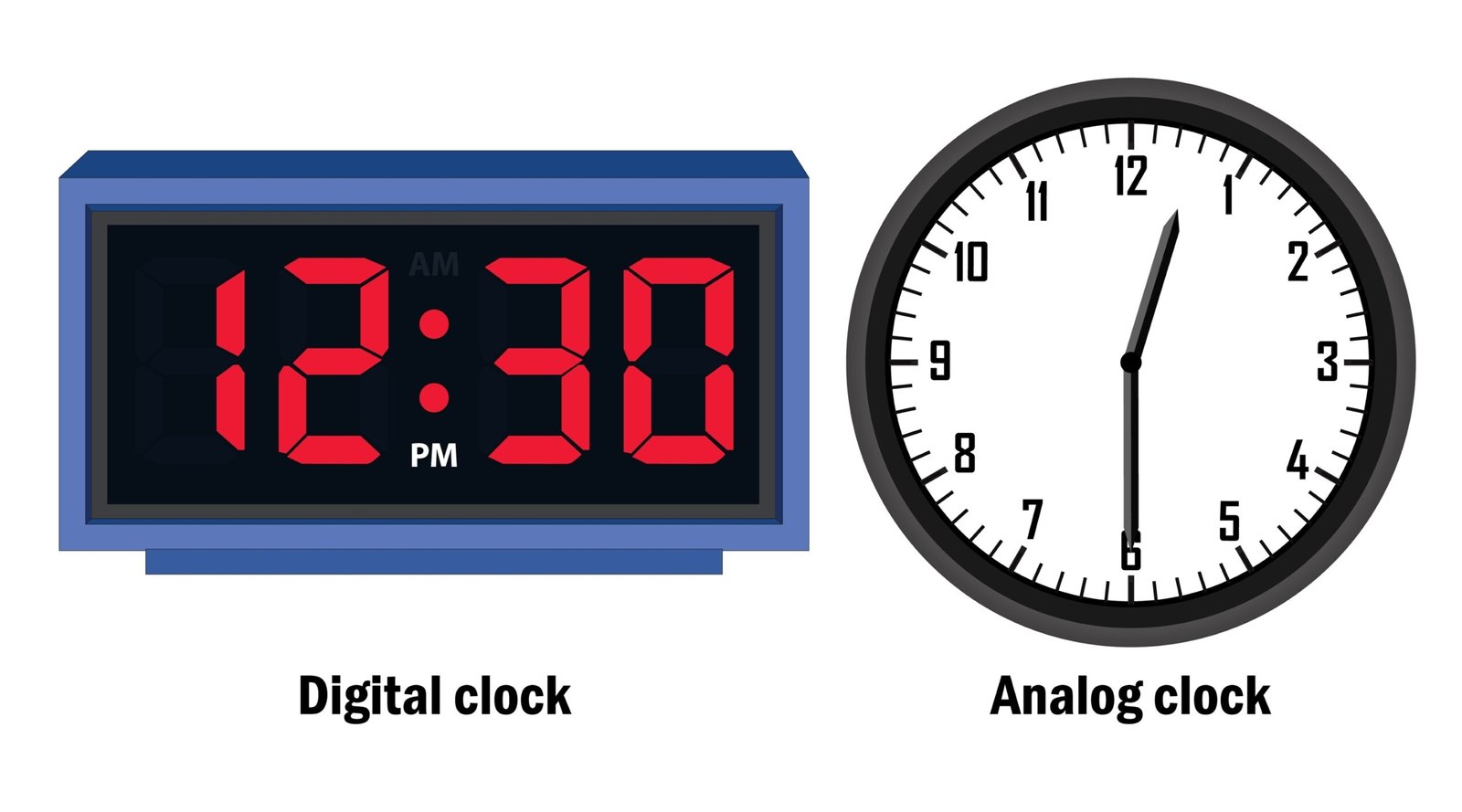
🧠 These devices improved precision and reliability.
⏱️ Modern clocks and watches measure time very accurately.
They help manage transport 🚆, communication 📡, and technology 💻.
🧠 Accurate time measurement is essential in science and daily life.
🧭 Units of time help us express duration clearly.
Second ⏱️
Minute ⌛
Hour 🕰️
Day 🌞
Month 🌙
Year 📅
🧠 These units are used worldwide for uniform understanding.
🧭 Measuring time is closely related to motion.
Motion means change in position with respect to time 🚶➡️📍.
🧠 If an object changes its position, it is said to be in motion.
If it does not change position, it is at rest 🪑.
🚶 A moving person
🚗 A running car
🐦 A flying bird
🧠 All show motion because their position changes over time.
🧭 Motion can be of different types.
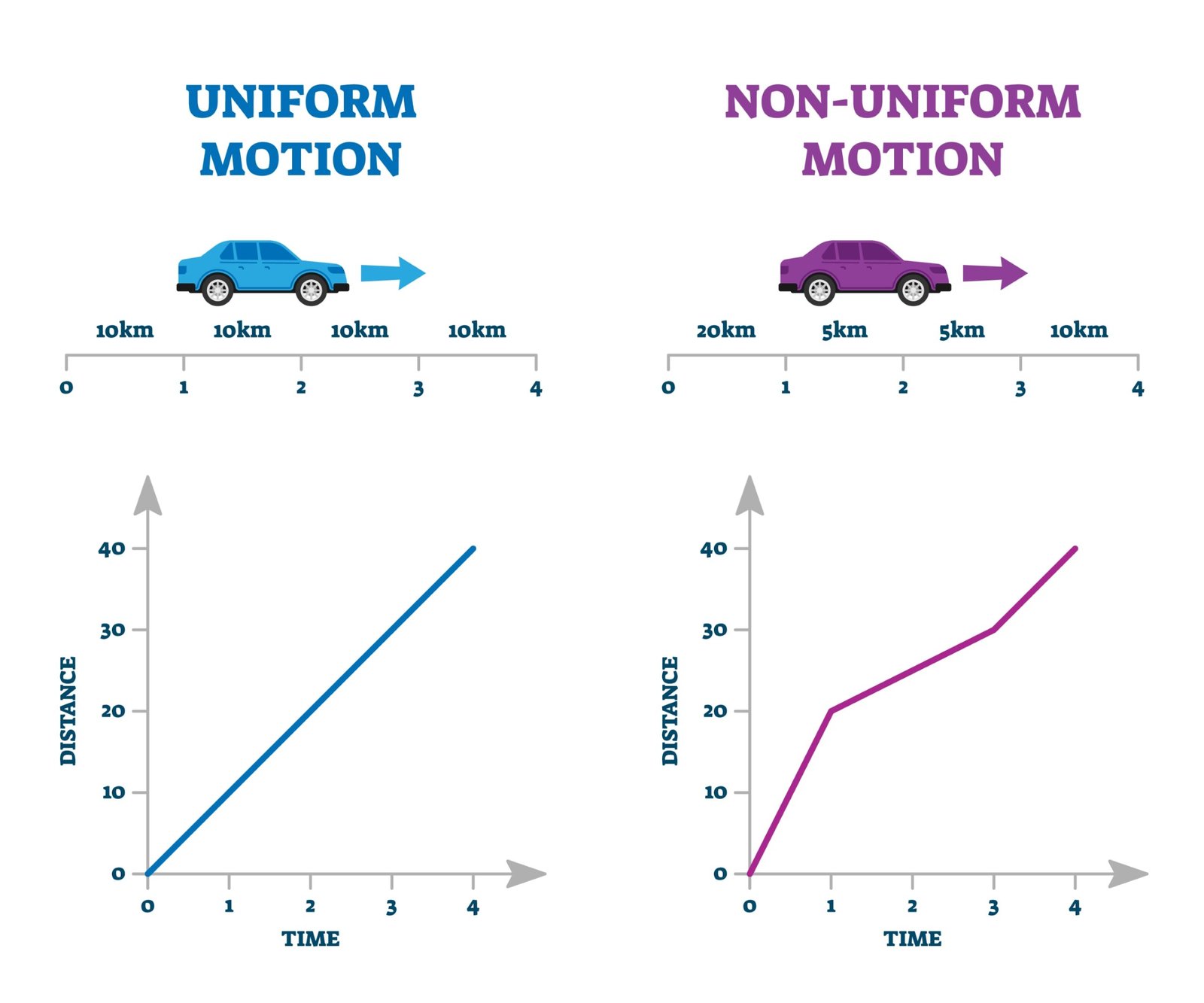
Uniform motion happens when an object covers equal distances in equal intervals of time ⚖️.
🧠 Non-uniform motion occurs when distance covered varies with time 🔄.
🧭 Motion can also be classified by path.
Straight-line motion ➡️
Circular motion 🔄
Periodic motion 🔁
🧠 These classifications help describe movement clearly.
📏 Measuring time helps calculate speed.
Speed tells us how fast an object moves 🚀.
🧠 Speed depends on distance travelled and time taken.
🧭 Accurate time measurement is important in science experiments 🔬.
It ensures correct results and comparisons.
🧠 Errors in time measurement can affect conclusions.
🌍 Nature follows time patterns.
Day and night 🌞🌙
Seasons 🍂🌸
Biological cycles 🧬
🧠 Understanding time helps us understand nature better.
🧭 Time management is an important life skill.
Planning activities 📋
Meeting deadlines ⏳
Balancing work and rest ⚖️
🧠 Measuring time helps use it wisely.
📜 Measurement of time developed gradually with human progress.
From shadows to atomic clocks ⚛️, accuracy has increased greatly.
🚀 Studying time and motion builds a strong foundation for science and technology.
📝 Summary of the Lesson
Time is an important quantity that helps us organize daily life and understand changes around us. Early humans measured time using natural events like the Sun, Moon, and stars. Gradually, devices such as sundials, sand clocks, water clocks, and modern clocks were developed for accurate measurement. Time is measured in units like seconds, minutes, hours, days, months, and years. Measurement of time is closely related to motion, which is the change in position with respect to time. Objects may be at rest or in motion, and motion can be of different types. Accurate time measurement is essential in science, technology, and everyday life.
⚡ Quick Recap
⭐ Time organizes daily life
⭐ Early time measurement used nature
⭐ Clocks improved accuracy
⭐ Units of time are universal
⭐ Motion depends on time
⭐ Speed uses time measurement
⭐ Time management is essential
——————————————————————————————————————————————————————————————————————————–
TEXTBOOK QUESTIONS
🔒 ❓ Question 1
Calculate the speed of a car that travels 150 metres in 10 seconds. Express your answer in km/h.
📌 Answer:
Distance = 150 m
Time = 10 s
Speed = Distance / Time
Speed = 150 / 10
Speed = 15 m/s
To convert m/s to km/h:
1 m/s = 3.6 km/h
Speed = 15 × 3.6
Speed = 54 km/h
🔒 ❓ Question 2
A runner completes 400 metres in 50 seconds. Another runner completes the same distance in 45 seconds. Who has a greater speed and by how much?
📌 Answer:
First runner:
Speed = 400 / 50 = 8 m/s
Second runner:
Speed = 400 / 45 ≈ 8.89 m/s
Comparison:
8.89 m/s > 8 m/s
Difference in speed = 8.89 − 8
Difference ≈ 0.89 m/s
➡️ The second runner has the greater speed by about 0.89 m/s.
🔒 ❓ Question 3
A train travels at a speed of 25 m/s and covers a distance of 360 km. How much time does it take?
📌 Answer:
Speed = 25 m/s
Convert distance into metres:
360 km = 360 × 1000 = 360000 m
Time = Distance / Speed
Time = 360000 / 25
Time = 14400 s
Convert seconds to hours:
14400 s ÷ 3600 = 4 hours
🔒 ❓ Question 4
A train travels 180 km in 3 h. Find its speed in:
(i) km/h
(ii) m/s
(iii) Distance travelled in 4 h at the same speed
📌 Answer:
(i) Speed in km/h:
Speed = 180 / 3
Speed = 60 km/h
(ii) Speed in m/s:
60 km/h = 60 × 1000 / 3600
Speed = 16.67 m/s (approx.)
(iii) Distance in 4 h:
Distance = Speed × Time
Distance = 60 × 4
Distance = 240 km
🔒 ❓ Question 5
The fastest galloping horse can reach a speed of about 18 m/s. How does this compare with the speed of a train moving at 72 km/h?
📌 Answer:
Convert train speed to m/s:
72 km/h = 72 × 1000 / 3600
Speed = 20 m/s
Comparison:
Horse speed = 18 m/s
Train speed = 20 m/s
➡️ The train is faster than the horse by 2 m/s.
🔒 ❓ Question 6
Distinguish between uniform and non-uniform motion using examples.
📌 Answer:
Uniform motion:
An object covers equal distances in equal intervals of time.
Example: A car moving on a straight highway at constant speed with no traffic.
Non-uniform motion:
An object covers unequal distances in equal intervals of time.
Example: A car moving in city traffic where speed changes due to signals and congestion.
🔒 ❓ Question 7
The table shows distances covered at different times. If the motion is uniform, fill in the blanks.
Time (s): 0 | 10 | 20 | 30 | 40 | 50 | 60 | 70
Distance (m): 0 | 8 | _ | 24 | 32 | 40 | _ | 56
📌 Answer:
Distance covered in 10 s = 8 m
So,
At 20 s = 16 m
At 60 s = 48 m
Completed table:
0 → 0 m
10 → 8 m
20 → 16 m
30 → 24 m
40 → 32 m
50 → 40 m
60 → 48 m
70 → 56 m
🔒 ❓ Question 8
A car covers 60 km in the first hour, 70 km in the second hour and 50 km in the third hour. Is the motion uniform? Find the average speed.
📌 Answer:
Distances covered are unequal in equal time intervals.
➡️ The motion is non-uniform.
Total distance = 60 + 70 + 50 = 180 km
Total time = 3 h
Average speed = Total distance / Total time
Average speed = 180 / 3
Average speed = 60 km/h
🔒 ❓ Question 9
Which type of motion is more common in daily life—uniform or non-uniform? Give three examples.
📌 Answer:
Non-uniform motion is more common in daily life.
Examples:
A bus moving through traffic
A person walking and stopping occasionally
A bicycle moving on a crowded road
🔒 ❓ Question 10
Data for the motion of an object are given below. State whether the speed is uniform or non-uniform. Find the average speed.
Time (s): 0 | 10 | 20 | 30 | 40 | 50 | 60 | 70 | 80 | 90 | 100
Distance (m): 0 | 6 | 10 | 16 | 21 | 29 | 35 | 42 | 45 | 55 | 60
📌 Answer:
The distances covered in equal time intervals are unequal.
➡️ The motion is non-uniform.
Total distance = 60 m
Total time = 100 s
Average speed = 60 / 100
Average speed = 0.6 m/s
🔒 ❓ Question 11
A vehicle moves along a straight line and covers 2 km.
First 500 m at 10 m/s, next 500 m at 5 m/s. The journey must be completed in 200 s.
Find:
(i) Speed for the remaining distance
(ii) Average speed for the whole journey
📌 Answer:
Total distance = 2000 m
First part:
Distance = 500 m
Speed = 10 m/s
Time = 500 / 10 = 50 s
Second part:
Distance = 500 m
Speed = 5 m/s
Time = 500 / 5 = 100 s
Time used so far = 50 + 100 = 150 s
Remaining time = 200 − 150 = 50 s
Remaining distance = 2000 − 1000 = 1000 m
(i) Speed for remaining distance:
Speed = 1000 / 50
Speed = 20 m/s
(ii) Average speed:
Average speed = Total distance / Total time
Average speed = 2000 / 200
Average speed = 10 m/s.
——————————————————————————————————————————————————————————————————————————–
OTHER IMPORTANT QUESTIONS
SECTION 1 — MCQs (5 Questions)
🔒 ❓ Q1. Which instrument is used to measure time intervals?
🟢 1️⃣ Scale
🔵 2️⃣ Stopwatch
🟡 3️⃣ Thermometer
🟣 4️⃣ Barometer
✔️ Answer: 🔵 2️⃣ Stopwatch
🔒 ❓ Q2. Which motion repeats itself after equal intervals of time?
🟢 1️⃣ Linear motion
🔵 2️⃣ Circular motion
🟡 3️⃣ Periodic motion
🟣 4️⃣ Random motion
✔️ Answer: 🟡 3️⃣ Periodic motion
🔒 ❓ Q3. What does the odometer of a vehicle measure?
🟢 1️⃣ Time
🔵 2️⃣ Speed
🟡 3️⃣ Distance travelled
🟣 4️⃣ Direction
✔️ Answer: 🟡 3️⃣ Distance travelled
🔒 ❓ Q4. Which unit is commonly used to measure speed?
🟢 1️⃣ metre
🔵 2️⃣ second
🟡 3️⃣ metre per second
🟣 4️⃣ kilogram
✔️ Answer: 🟡 3️⃣ metre per second
🔒 ❓ Q5. Which motion is shown by the hands of a clock?
🟢 1️⃣ Linear motion
🔵 2️⃣ Circular motion
🟡 3️⃣ Random motion
🟣 4️⃣ Zig-zag motion
✔️ Answer: 🔵 2️⃣ Circular motion
SECTION 2 — Very Short Answer (5 Questions)
🔒 ❓ Q6. Name the device used to measure short time intervals.
📌 ✅ Answer: Stopwatch
🔒 ❓ Q7. What is motion?
📌 ✅ Answer: Change in position
🔒 ❓ Q8. Name one periodic motion.
📌 ✅ Answer: Pendulum
🔒 ❓ Q9. Which instrument measures distance in vehicles?
📌 ✅ Answer: Odometer
🔒 ❓ Q10. Name the SI unit of speed.
📌 ✅ Answer: m/s
SECTION 3 — Short Answer (3 Questions)
🔒 ❓ Q11. What is speed?
📌 ✅ Answer:
🔹 Speed is the distance travelled by an object in unit time.
🔸 It tells how fast an object is moving.
🔹 Greater speed means more distance covered in less time.
🔒 ❓ Q12. Differentiate between uniform and non-uniform motion.
📌 ✅ Answer:
🔹 Uniform motion covers equal distances in equal time intervals.
🔸 Non-uniform motion covers unequal distances in equal time intervals.
🔹 Most daily movements show non-uniform motion.
🔒 ❓ Q13. Why is a standard unit of time necessary?
📌 ✅ Answer:
🔹 A standard unit avoids confusion in measurement.
🔸 It helps compare time accurately everywhere.
🔹 Seconds are used as a common standard.
SECTION 4 — Long Answer (1 Question)
🔒 ❓ Q14. Explain different types of motion with examples.
📌 ✅ Answer:
🔹 Motion is the change in position of an object with time.
🔸 Linear motion occurs in a straight line, like a moving train.
🔹 Circular motion occurs along a circular path, like clock hands.
🔸 Periodic motion repeats after fixed intervals, like a pendulum.
——————————————————————————————————————————————————————————————————————————–
ADVANCE KNOWLEDGE
🌍 Time and Motion: The Invisible Framework of the Universe
Nothing in the universe stays still. Planets move, rivers flow, hearts beat, shadows shift, and even atoms vibrate. To understand this continuous change, humans invented two powerful ideas: time and motion. Together, they form the language through which nature tells its story.
🧠 Big idea:
Time is not something we see, and motion is not something we hold—yet both control everything.
⏳ What Is Time Really?
Time is not a substance. It is a measure of change.
🧠 We know time is passing because:
The Sun rises and sets
Seasons change
Living beings grow older
⭐ If nothing changed, time would be meaningless.
🧠 Time helps us:
Compare events
Predict motion
Organize life
⏳ How Humans Learned to Measure Time
⏳ Early humans observed nature.
🌞 Natural clocks:
Day and night
Moon phases
Seasonal cycles
🧠 Later inventions included:
Sundials
Water clocks
Sand clocks
⭐ These were clever but depended on weather and gravity.
⚙️ Modern Timekeeping: Precision Science
Modern clocks are extremely accurate.
⏱️ Mechanical clocks:
Use gears and oscillations
🔌 Digital clocks:
Use electronic vibrations
🚀 Atomic clocks:
Use vibrations of atoms
Lose less than one second in millions of years
🧠 GPS systems depend on atomic clocks—without them, navigation would fail.
⚠️ Misconception vs Reality
⚠️ Misconception: Time flows the same everywhere
✅ Reality: Time can slow down or speed up under extreme conditions (space science)
⚠️ Misconception: Clocks create time
✅ Reality: Clocks only measure time
🏃 Motion: Change of Position
Motion occurs when an object changes its position with time.
🧠 Motion depends on:
Reference point
Time interval
⭐ An object can be moving for one observer and still for another.
🧠 Types of Motion in Nature
Nature shows many kinds of motion.
🔁 Periodic motion
Repeats regularly
Example: Pendulum, heartbeat
➡️ Linear motion
Straight path
Example: Train on straight track
🔄 Circular motion
Around a center
Example: Earth around Sun
🧠 Real motion is often a combination, not a single type.
⚠️ Relative Motion: Motion Is Not Absolute
🧠 Motion is always relative.
🚗 A person sitting in a moving bus:
At rest for the bus
In motion for a roadside observer
⭐ There is no universal “stillness.”
🌍 Speed: How Fast Motion Happens
Speed tells how quickly position changes.
🧠 It connects:
Distance
Time
⭐ Same distance + less time → higher speed
🧠 Nature uses different speeds:
Snail → slow
Wind → fast
Light → extremely fast
⏱️ Uniform and Non-Uniform Motion
🧠 Uniform motion
Equal distance in equal time
🧠 Non-uniform motion
Unequal distance in equal time
⭐ Most natural motions are non-uniform.
🌌 Time and Motion Beyond Earth
In space, time and motion behave differently.
🚀 Astronauts experience:
Different gravity
Different time flow
🧠 Satellites adjust clocks to match Earth time.
⭐ This proves time is flexible, not rigid.
🌍 Motion on Earth: A Rotating Planet
Earth itself is always moving.
🌍 Motions include:
Rotation (day and night)
Revolution (seasons)
🧠 We do not feel this motion because it is smooth and constant.
🧠 Motion in Living Beings
Living beings move for survival.
🧠 Examples:
Blood flow
Muscle contraction
Plant movements
⭐ Even plants show motion, though slowly.
🚀 Modern Science: Measuring Motion Accurately
🚀 Scientists use:
Motion sensors
Radar
Satellites
🧠 Used in:
Traffic control
Sports science
Space missions
⭐ Accurate motion measurement saves lives and resources.
⚠️ Errors in Measuring Time and Motion
Measurements can be wrong.
🧠 Causes:
Human reaction time
Faulty instruments
Improper reference points
⭐ Science reduces errors by:
Repetition
Better instruments
🌍 Time, Motion, and Energy
Motion requires energy.
🧠 Faster motion:
Needs more energy
⭐ This links motion with:
Heat
Electricity
Chemical energy
⭐ Amazing Facts
⭐ Earth moves around the Sun at about 30 km per second
⭐ Light covers Earth seven times in one second
⭐ Atomic clocks guide airplanes
⭐ Motion never truly stops at the atomic level
🧠 Why Curious Minds Must Think Deeply
Time and motion help us:
Predict events
Design machines
Understand the universe
🧠 They are the foundation of physics, astronomy, and technology.
🌟 Final Thought
Time measures change.
Motion reveals change.
🧠 To understand time and motion is to understand how the universe keeps moving without pause.
——————————————————————————————————————————————————————————————————————————–