
Class 6 : Science – ( English ) : Lesson 11. Nature’s Treasures

EXPLANATION AND ANALYSIS
🌍 Introduction: Gifts Provided by Nature
Nature is the greatest provider of resources for all living beings. Everything that we use in our daily life—air to breathe, water to drink, soil to grow food, forests for wood, and minerals for tools—comes from nature. These useful materials obtained from nature are called natural resources or nature’s treasures. They support life on Earth and make human civilisation possible. Understanding these treasures helps us realise their value and the need to protect them.
Nature’s treasures are not unlimited. Some resources can be replaced naturally, while others take millions of years to form. Therefore, learning about different natural resources and their importance is essential for responsible use and conservation.
🌱 What Are Natural Resources?
Natural resources are materials and substances that occur in nature and are used by humans and other living organisms. They are not made by humans but are obtained directly from the environment.
🌾 Examples include soil, water, air, sunlight, plants, animals, minerals, and fuels.
🧠 All natural resources are interconnected. Damage to one resource often affects others, showing how delicate nature’s balance is.
💨 Air: The Invisible Treasure
Air is one of the most important natural resources, though it cannot be seen.
🌬️ Air is a mixture of gases like oxygen, nitrogen, and carbon dioxide.
🫁 Oxygen is essential for respiration in animals and plants.
🌱 Carbon dioxide is used by plants to prepare food through photosynthesis.
Air also plays a role in weather, climate, and the water cycle. Pollution of air can cause serious health and environmental problems, making clean air a precious treasure.
💧 Water: The Basis of Life
Water is essential for all forms of life.
🚰 Living organisms need water for drinking, digestion, transport of nutrients, and waste removal.
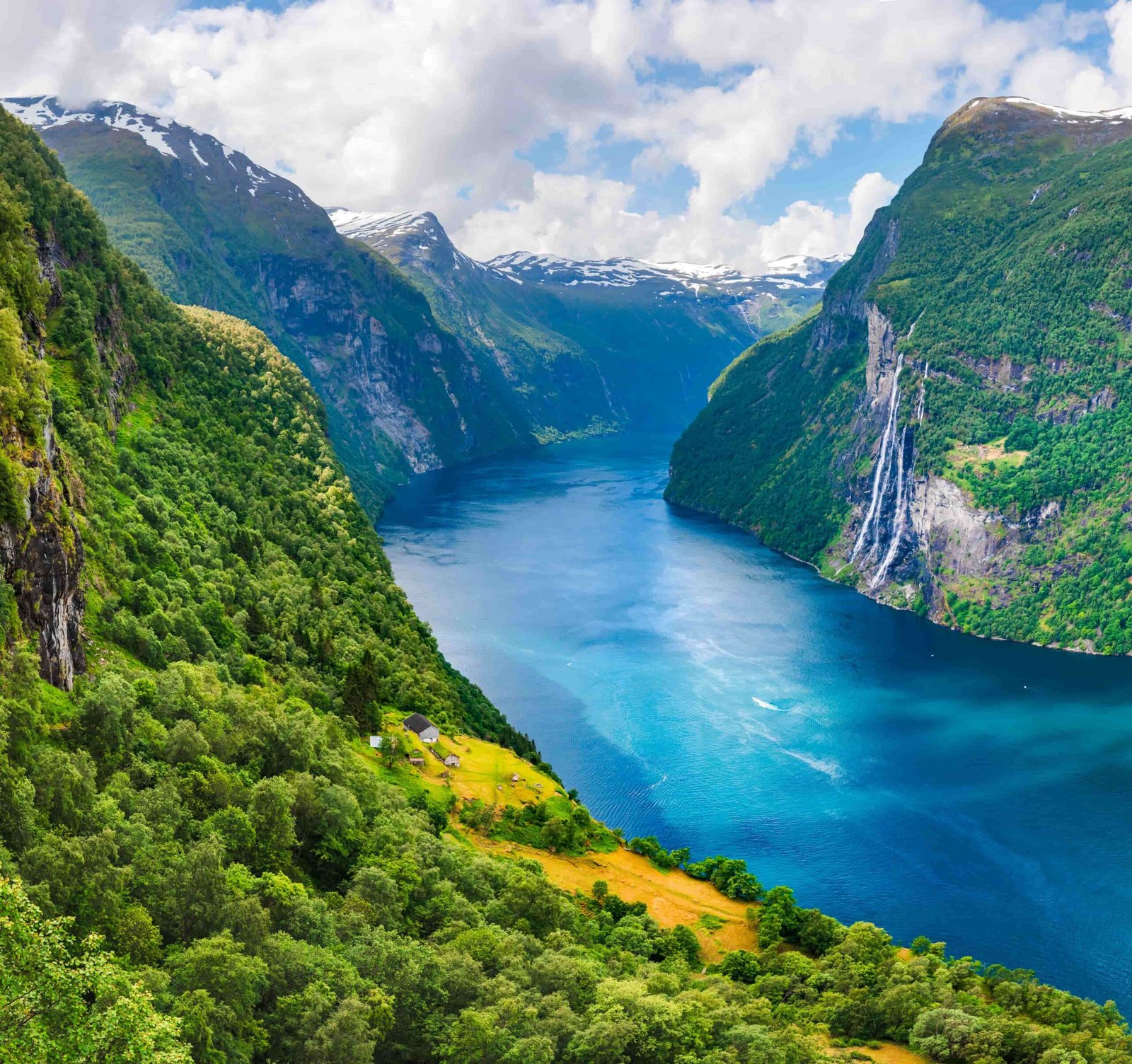
🌊 Rivers, lakes, ponds, seas, and oceans are major sources of water.
🌧️ Rainfall replenishes freshwater sources.
Water is also used in agriculture, industries, and households. Although water covers a large part of the Earth, only a small portion is fresh and usable. Hence, saving water is very important.
🌍 Soil: The Support System of Life
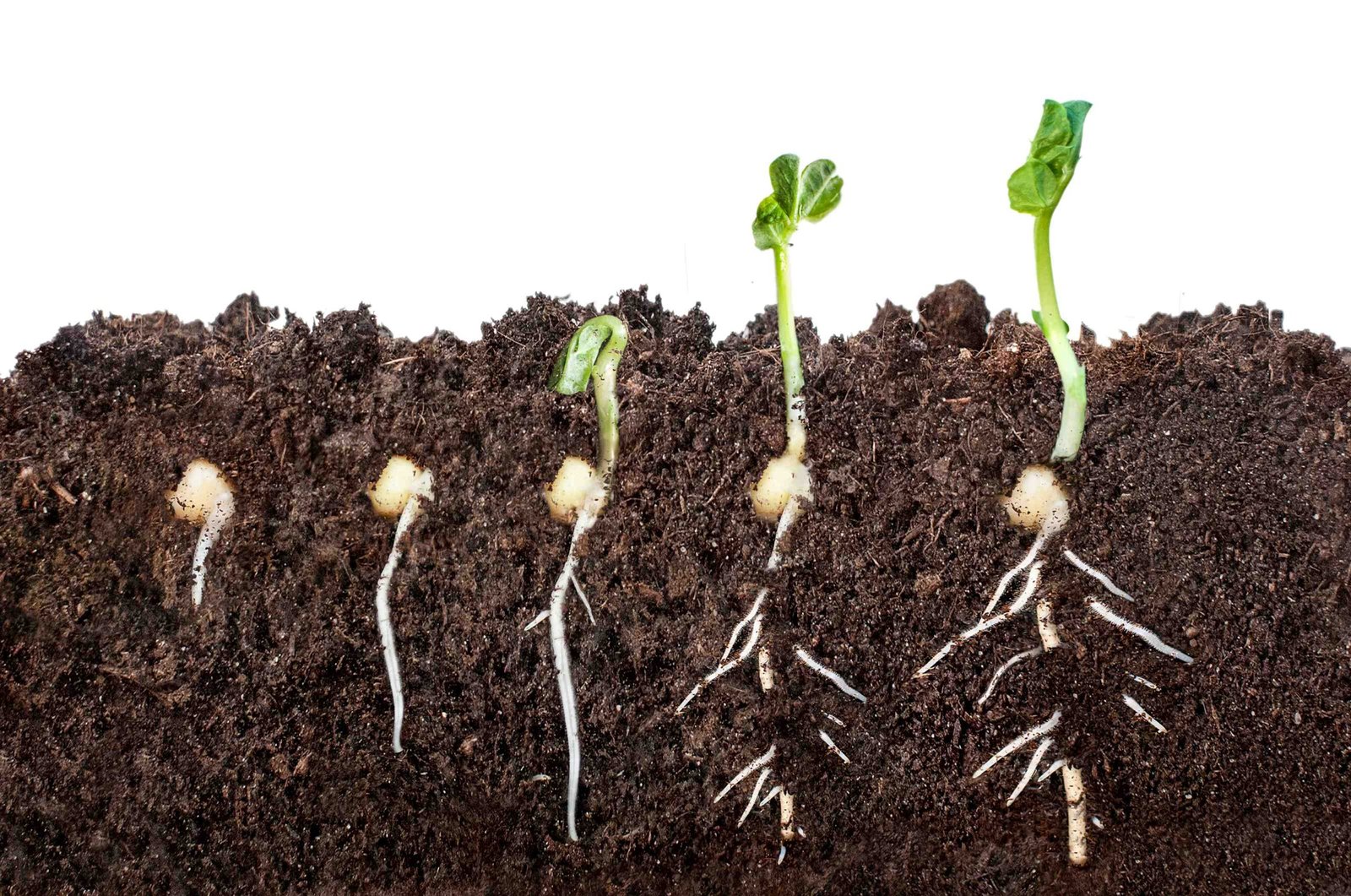
Soil is the upper layer of the Earth where plants grow.
🌾 Soil provides nutrients and support to plants.
🪱 It is home to many organisms like earthworms and insects.
🌳 Healthy soil supports agriculture and forests.
Soil formation takes a very long time. Improper farming, deforestation, and pollution can damage soil, reducing its fertility. Protecting soil ensures food security for future generations.
🌳 Forests: The Green Wealth
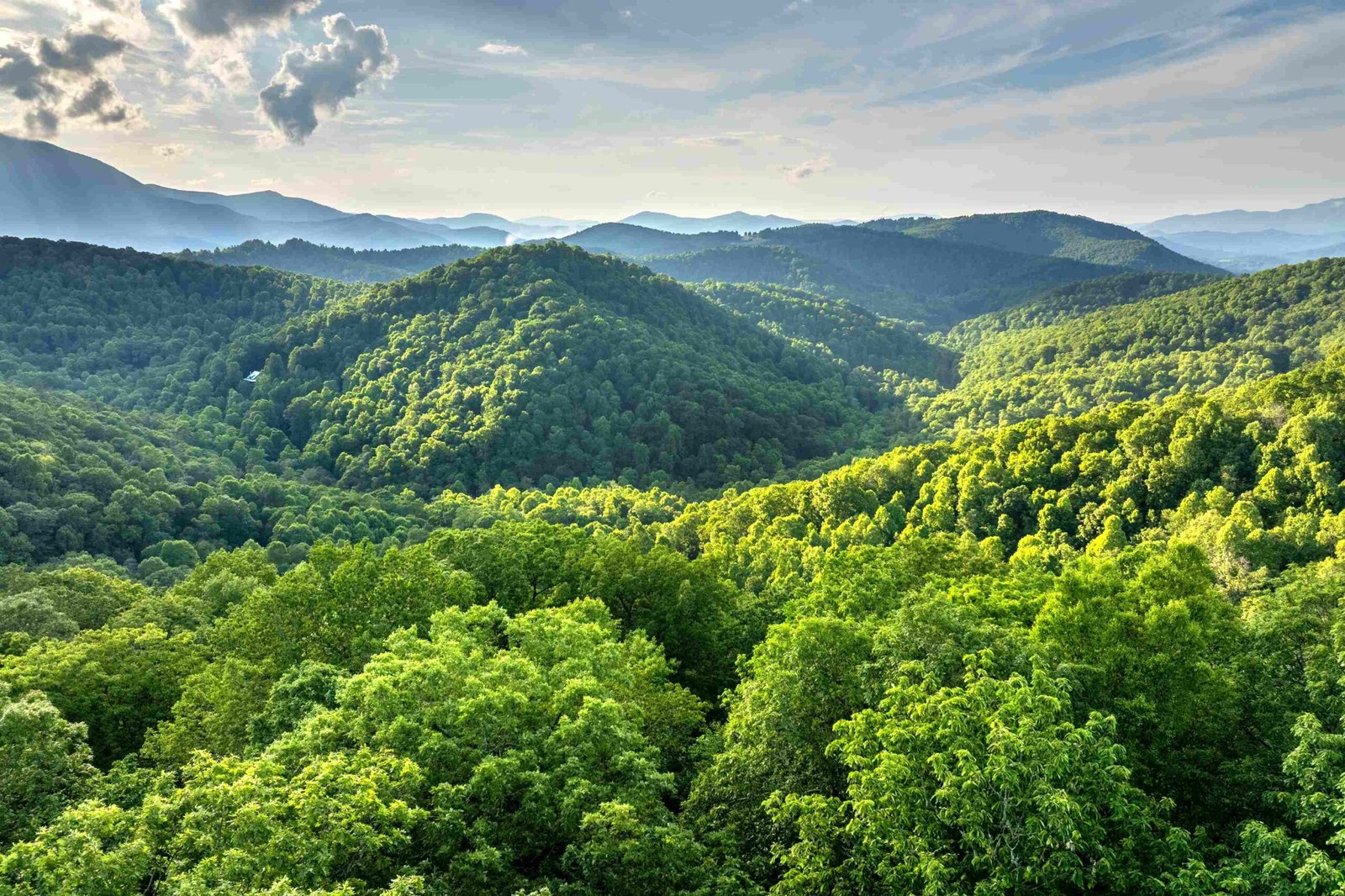
Forests are among the richest natural treasures.
🌲 Forests provide wood, fruits, medicines, and fuel.
🐘 They are habitats for many animals and birds.
🌍 Forests help maintain oxygen levels and control climate.
Forests also prevent soil erosion and reduce the risk of floods. Cutting trees without control can disturb the natural balance, so forests must be conserved carefully.
🐾 Wildlife: Living Treasures
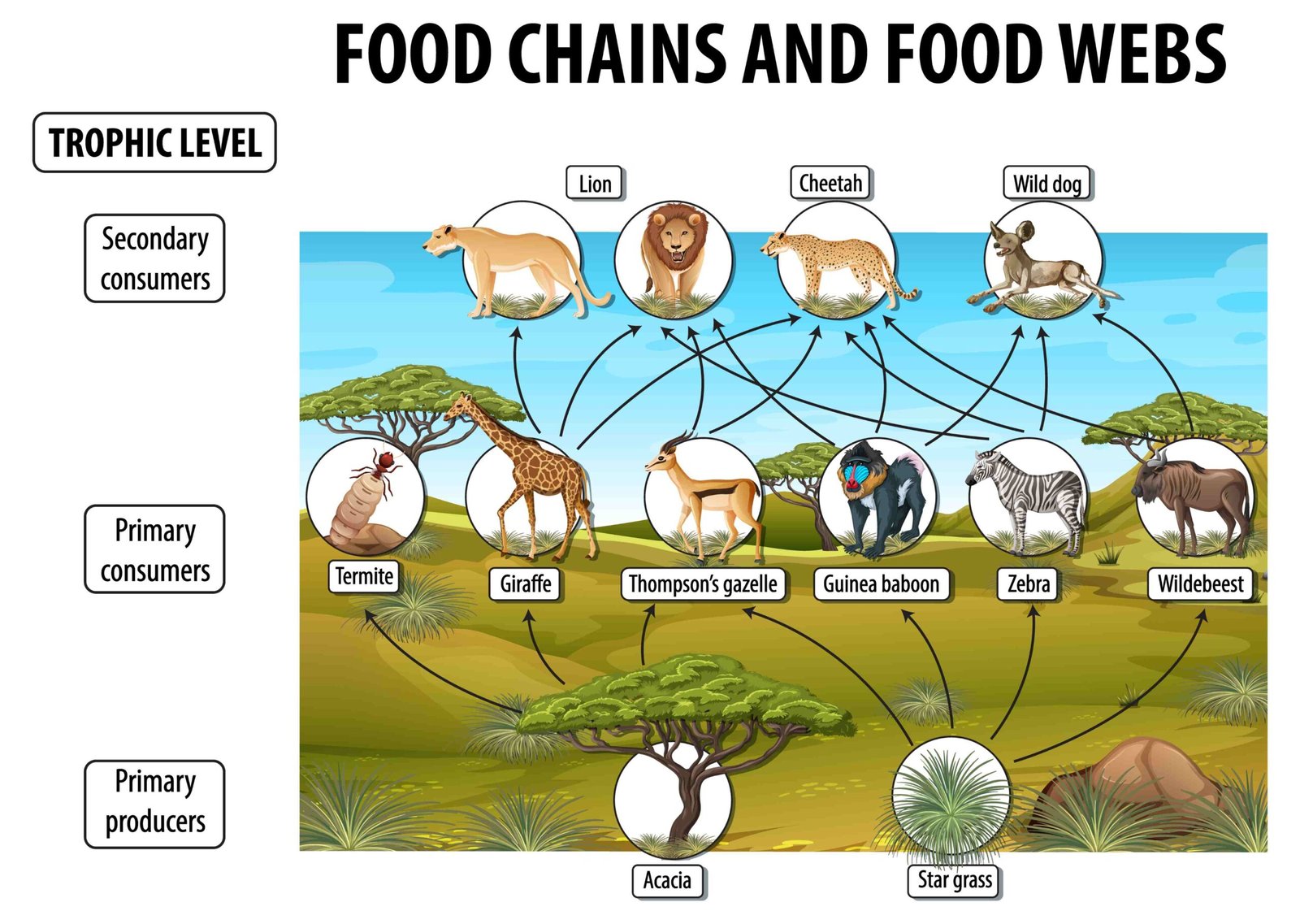
Animals, birds, insects, and other organisms together form wildlife.
🦋 Wildlife maintains balance in ecosystems.
🐝 Insects help in pollination.
🦅 Predators control population of other animals.
Loss of wildlife can disrupt food chains and ecosystems. Protecting animals and their habitats is essential for maintaining biodiversity.
🪨 Minerals: Hidden Wealth Beneath the Earth
Minerals are natural substances found in rocks.
⛏️ Iron, copper, aluminium, and gold are important minerals.
⚙️ Minerals are used to make tools, machines, buildings, and vehicles.
Minerals are non-renewable resources. Once used, they cannot be replaced quickly. Careful use and recycling help conserve these valuable treasures.
🔥 Fossil Fuels: Energy from the Past
Coal, petroleum, and natural gas are fossil fuels.
⛽ They provide energy for transport, electricity, and industries.
🕰️ Fossil fuels were formed over millions of years from dead plants and animals.
Burning fossil fuels causes pollution and climate change. As they are limited, scientists are developing alternative energy sources like solar and wind energy.
🌞 Renewable and Non-Renewable Resources
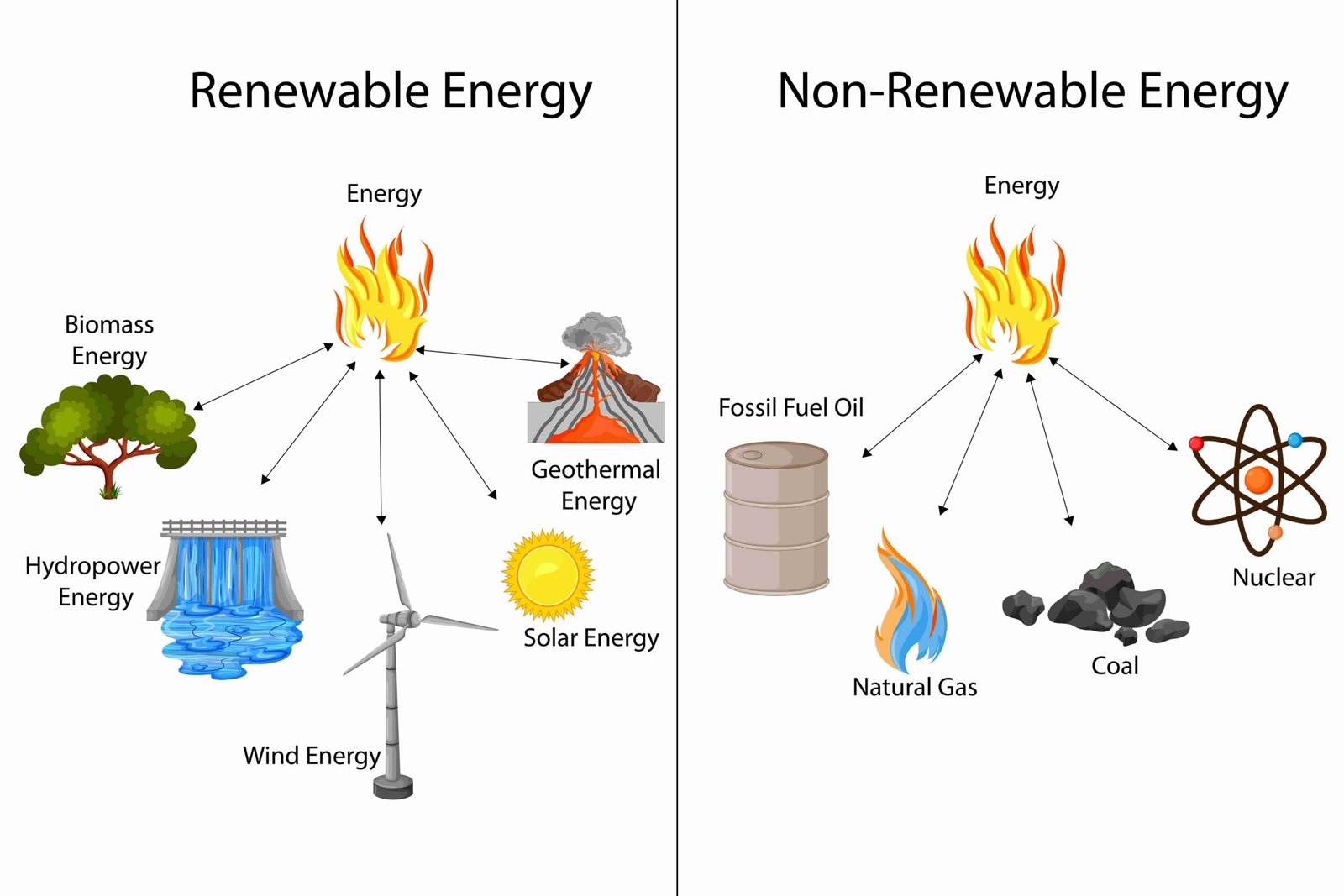
Nature’s treasures can be classified based on their availability.
♻️ Renewable resources: air, water, sunlight, forests (if used wisely).
⛔ Non-renewable resources: coal, petroleum, minerals.
Renewable resources can be replenished naturally, while non-renewable ones cannot. Sustainable use is the key to protecting both types.
🧠 Conservation of Nature’s Treasures
Conservation means protecting and using resources wisely.
🚿 Saving water at home
🌳 Planting more trees
🔌 Using energy carefully
♻️ Recycling materials
These small actions help preserve natural resources for future generations. Conservation ensures that nature continues to support life.
🌍 Human Responsibility Towards Nature
Humans depend on nature, but human activities also cause damage.
🏭 Pollution, deforestation, and overuse of resources harm the environment.
🧠 Awareness and education help people make better choices.
Respecting nature and understanding its value encourages sustainable living and long-term survival.
📘 Summary
Nature’s treasures are the natural resources that support life on Earth. Air, water, soil, forests, wildlife, minerals, and fuels are essential for human survival and development. Air provides oxygen for breathing, water supports all life processes, and soil helps plants grow. Forests and wildlife maintain ecological balance, while minerals and fossil fuels support industries and energy needs. Natural resources can be renewable or non-renewable depending on their ability to be replaced. Overuse and pollution of these resources can disturb nature’s balance. Conservation and sustainable use are necessary to protect these treasures. By saving resources, reducing waste, and using alternatives, humans can ensure that nature continues to provide for present and future generations.
📝 Quick Recap
🌍 Nature provides valuable resources
💧 Water and air are essential for life
🌳 Forests and wildlife maintain balance
🌾 Soil supports plant growth
🪨 Minerals and fuels support industry
♻️ Resources can be renewable or non-renewable
🧠 Conservation protects nature’s treasures
——————————————————————————————————————————————————————————————————————————–
TEXTBOOK QUESTIONS
🔒 ❓ Question 1.
Match the items shown with their jumbled names. Classify them as renewable or non-renewable resources.
📌 Answer:
Tap with flowing water → Water → Renewable
Windmill → Wind → Renewable
Forest area → Forest → Renewable
Rock → Rock / Minerals → Non-renewable
Water, wind and forests are called renewable resources because nature can replace them within a short time if they are used carefully. Water is renewed by the water cycle, wind keeps moving naturally, and forests can regrow when trees are replanted. Rocks and minerals take millions of years to form inside the Earth and cannot be replaced quickly, so they are non-renewable.
🔒 ❓ Question 2.
State whether the following statements are True [T] or False [F]. If false, correct them.
📌 Answer:
(i) Nature has all the resources to meet human needs. — True
Nature provides air, water, food, soil, minerals and energy resources that are essential for survival and daily activities.
(ii) Machines are a resource found in nature. — False
Correction: Machines are man-made resources created by humans using natural resources such as metals, fuel and electricity.
(iii) Natural gas is a non-renewable resource. — True
Natural gas is a fossil fuel formed over millions of years and gets exhausted on continuous use.
(iv) Air is a renewable resource. — True
Air is constantly renewed through natural processes like photosynthesis and air circulation.
🔒 ❓ Question 3.
Fill in the blanks using the most appropriate option.
📌 Answer:
(i) A fuel commonly used in two-wheelers is petrol.
Petrol burns easily and efficiently in the engines of scooters and motorcycles, making it suitable for light vehicles.
(ii) An example of a renewable resource is water.
Water is continuously renewed through evaporation, condensation and rainfall.
🔒 ❓ Question 4.
Classify coal, natural gas, forests and minerals as renewable or non-renewable resources.
📌 Answer:
Renewable resource: Forests
Forests can grow again if trees are planted and protected properly.
Non-renewable resources: Coal, Natural gas, Minerals
These resources are present in limited quantity and once exhausted, cannot be replaced within a short time.
🔒 ❓ Question 5.
Why do we say that petroleum is a non-renewable resource?
📌 Answer:
Petroleum is formed from dead plants and animals that were buried under the Earth millions of years ago. The process of its formation is extremely slow. Humans are using petroleum very rapidly for transport, industries and electricity generation. Since it cannot be replaced quickly, petroleum is called a non-renewable resource.
🔒 ❓ Question 6.
It is difficult to regrow forests. Justify this statement.
📌 Answer:
Forests are complex ecosystems consisting of trees, animals, soil organisms and microorganisms. Trees take many years to grow fully. When forests are cut, animals lose their homes, soil becomes weak and climate is affected. Restoring all these components together takes a very long time, making forest regeneration difficult.
🔒 ❓ Question 7.
List five daily activities in which you use natural resources. Suggest ways to reduce their use.
📌 Answer:
Daily activities:
Drinking water, cooking food, travelling, using electricity, using paper
Ways to reduce use:
Avoid wasting water, use public transport or walk, switch off lights and fans when not in use, reuse paper and recycle waste materials to conserve resources.
🔒 ❓ Question 8.
List four activities that are possible due to the presence of air.
📌 Answer:
Breathing in living organisms
Burning of fuels like wood and gas
Flying of birds, kites and aeroplanes
Running of windmills to generate electricity
Air supports life and helps in many natural and human activities.
🔒 ❓ Question 9.
How can you help in increasing the green cover of your locality?
📌 Answer:
By planting more trees, protecting young plants, discouraging unnecessary tree cutting, using less paper and participating in plantation drives. These actions help improve air quality and maintain ecological balance.
🔒 ❓ Question 10.
In the illustration, food is being cooked.
📌 Answer:
(i) The type of energy used is solar energy.
(ii)
Benefit: Solar energy is renewable, does not produce pollution and reduces fuel cost.
Drawback: Cooking depends on sunlight and becomes slow or impossible during cloudy or rainy days.
🔒 ❓ Question 11.
Why does cutting trees on a large scale affect soil quality?
📌 Answer:
Tree roots hold soil particles together and prevent them from being washed away. When trees are cut, soil becomes loose and is easily carried away by wind and rain. This causes soil erosion and reduces soil fertility.
🔒 ❓ Question 12.
Explain two ways in which human activities pollute air. Suggest one solution.
📌 Answer:
Smoke from vehicles releases harmful gases into the air. Burning garbage and fossil fuels adds toxic smoke and particles. Using clean fuels, planting trees and using public transport can help reduce air pollution.
🔒 ❓ Question 13.
What would happen if there were no sunlight for a week in a family using solar panels, gas stove and windmill?
📌 Answer:
Solar panels would not produce electricity due to lack of sunlight. Cooking could continue using a gas stove. The windmill would work only if there is sufficient wind, as it does not depend on sunlight.
🔒 ❓ Question 14.
Fill in the blanks using the given terms.
📌 Answer:
Coal, petroleum and natural gas are called fossil fuels.
Fossil fuels are non-renewable resources.
Water, air and forests are renewable resources.
🔒 ❓ Question 15.
Is cutting trees for development justified? Explain.
📌 Answer:
Large-scale cutting of trees is harmful to the environment. Trees provide oxygen, prevent soil erosion and support wildlife. Development should be planned in a way that minimum trees are cut and more trees are planted to maintain balance.
🔒 ❓ Question 16.
Propose a plan to save water in your school.
📌 Answer:
Repair leaking taps, use water carefully, collect rainwater and spread awareness among students. Saving water helps conserve a valuable natural resource and protects the environment.
——————————————————————————————————————————————————————————————————————————–
OTHER IMPORTANT QUESTIONS
SECTION 1 — MCQs (5 Questions)
🔒 ❓ Q1. Which of the following is a renewable natural resource?
🟢 1️⃣ Coal
🔵 2️⃣ Petroleum
🟡 3️⃣ Wind
🟣 4️⃣ Natural gas
✔️ Answer: 🟡 3️⃣ Wind
🔒 ❓ Q2. Which natural resource is formed from remains of plants and animals over millions of years?
🟢 1️⃣ Soil
🔵 2️⃣ Coal
🟡 3️⃣ Water
🟣 4️⃣ Air
✔️ Answer: 🔵 2️⃣ Coal
🔒 ❓ Q3. Which resource is essential for breathing in living organisms?
🟢 1️⃣ Water
🔵 2️⃣ Air
🟡 3️⃣ Soil
🟣 4️⃣ Minerals
✔️ Answer: 🔵 2️⃣ Air
🔒 ❓ Q4. Which practice helps in conserving natural resources?
🟢 1️⃣ Excessive cutting of trees
🔵 2️⃣ Wasting water
🟡 3️⃣ Recycling materials
🟣 4️⃣ Burning fuels
✔️ Answer: 🟡 3️⃣ Recycling materials
🔒 ❓ Q5. Which natural resource is mainly used to generate hydroelectric power?
🟢 1️⃣ Coal
🔵 2️⃣ Water
🟡 3️⃣ Wind
🟣 4️⃣ Sunlight
✔️ Answer: 🔵 2️⃣ Water
SECTION 2 — Very Short Answer (5 Questions)
(One or two words only)
🔒 ❓ Q6. Name one non-renewable resource.
📌 ✅ Answer: Coal
🔒 ❓ Q7. Which natural resource covers most of the Earth’s surface?
📌 ✅ Answer: Water
🔒 ❓ Q8. Name the resource obtained from forests.
📌 ✅ Answer: Wood
🔒 ❓ Q9. Which resource provides oxygen for life?
📌 ✅ Answer: Air
🔒 ❓ Q10. Name one mineral resource.
📌 ✅ Answer: Iron
SECTION 3 — Short Answer (3 Questions)
(About 40–50 words)
🔒 ❓ Q11. Why are natural resources important for living organisms?
📌 ✅ Answer:
🔹 Natural resources provide basic needs like air, water and food.
🔸 They supply materials and energy for daily activities.
🔹 Without natural resources, survival of living organisms would not be possible.
🔒 ❓ Q12. Differentiate between renewable and non-renewable resources.
📌 ✅ Answer:
🔹 Renewable resources can be replenished naturally in a short time.
🔸 Examples include air, water and sunlight.
🔹 Non-renewable resources take millions of years to form and can get exhausted.
🔒 ❓ Q13. Why should we conserve natural resources?
📌 ✅ Answer:
🔹 Natural resources are limited in quantity.
🔸 Overuse can lead to scarcity in the future.
🔹 Conservation ensures availability of resources for future generations.
SECTION 4 — Long Answer (1 Question)
(About 70–80 words)
🔒 ❓ Q14. Explain different types of natural resources and their uses.
📌 ✅ Answer:
🔹 Natural resources are obtained from nature and used by humans.
🔸 Air and water support life processes.
🔹 Soil helps in growing crops and forests provide wood and medicines.
🔹 Minerals and fossil fuels supply energy and raw materials.
🔹 Proper use and conservation of these resources are essential for sustainable living.
——————————————————————————————————————————————————————————————————————————–
ADVANCE KNOWLEDGE
🌍 Nature: The Greatest Treasure House Ever Created
When we hear the word treasure, we think of gold or diamonds. But the greatest treasures on Earth are natural—air, water, soil, forests, minerals, sunlight, and living organisms. These treasures were not made by humans, yet human survival depends entirely on them.
🧠 Deep idea:
Nature’s treasures are valuable not because they are rare, but because life cannot exist without them.
🧠 What Are Nature’s Treasures Really?
Nature’s treasures are also called natural resources.
They include:
🌬️ Air
💧 Water
🌱 Soil
🌳 Forests
🐾 Wildlife
⛏️ Minerals
☀️ Sunlight
⭐ Each resource supports life in a different but connected way.
⚠️ Misconception vs Reality
⚠️ Misconception: Natural resources are unlimited
✅ Reality: Many resources are limited and exhaustible
⚠️ Misconception: Only minerals are valuable resources
✅ Reality: Air, water, and soil are far more valuable for survival
⏳ A Look into the Past: How Humans Used Nature
⏳ Early humans:
Lived close to nature
Used forests for food and shelter
Used stones and wood as tools
🧠 As civilizations grew:
Agriculture developed
Mining began
Forests were cleared
⭐ Progress increased comfort but also pressure on nature.
🌍 Renewable vs Non-Renewable Treasures
🧠 Scientists classify resources based on regeneration.
🌱 Renewable Resources
Can be replenished naturally
Examples: sunlight, wind, forests (if protected)
⛏️ Non-Renewable Resources
Take millions of years to form
Examples: coal, petroleum, natural gas
⚠️ Overuse of non-renewable resources leads to permanent loss.
🌳 Forests: The Living Treasure
Forests are not just trees.
🌳 They provide:
Oxygen
Habitat for wildlife
Climate control
Rainfall balance
🧠 Cutting forests affects:
Climate
Soil fertility
Water cycle
⭐ Forests act as Earth’s lungs.
💧 Water: The Most Precious Treasure
Only a small fraction of Earth’s water is usable freshwater.
🧠 Water supports:
Drinking
Agriculture
Industry
Ecosystems
⚠️ Pollution and wastage are reducing usable water rapidly.
🧪 Minerals: Hidden Gifts of the Earth
⛏️ Minerals form deep inside Earth over millions of years.
Used in:
Buildings
Machines
Electronics
🧠 Once used up, most minerals cannot be replaced.
🌍 Biodiversity: Treasure of Life
Nature’s richness lies in variety of life.
🐝 Insects pollinate crops
🌿 Plants provide medicine
🦁 Animals maintain balance
⭐ Loss of one species affects the entire ecosystem.
🚀 Modern Science and Nature’s Treasures
🚀 Scientists now focus on:
Renewable energy
Sustainable mining
Conservation biology
🧠 Technology can protect nature if used wisely.
⚠️ Human Impact: A Warning Sign
Human activities have caused:
Deforestation
Pollution
Climate change
🧠 Nature can recover—but only if given time and care.
⭐ Amazing Facts About Nature’s Treasures
⭐ Soil takes hundreds of years to form
⭐ One tree supports thousands of organisms
⭐ Oceans regulate Earth’s temperature
⭐ Sunlight powers nearly all life
🧠 Why Curious Minds Must Think Ahead
Nature’s treasures are not inherited from our ancestors—they are borrowed from future generations.
🧠 Understanding this topic builds:
Responsibility
Scientific thinking
Respect for nature
🌟 Final Thought
Nature gives silently, endlessly, and generously.
But it also reacts when pushed beyond limits.
🧠 Protecting nature’s treasures is not a choice—it is a responsibility.
——————————————————————————————————————————————————————————————————————————–