Class 7 : Science – ( English ) : Lesson 11. Light: Shadows and Reflections

EXPLANATION AND ANALYSIS
🧭 Light is a form of energy that enables us to see objects around us.
Without light 🌑, our surroundings would remain dark and invisible. Natural light from the Sun ☀️ and artificial light from bulbs 💡 help us observe shapes, colors 🎨, and movements in the world.
🧠 Understanding light explains everyday experiences such as seeing shadows, images in mirrors, and reflections on water 🌊.
🔍 The study of light helps us understand how objects become visible and how images are formed.
🧪 Light travels in a straight line.
This property is called rectilinear propagation of light ➡️.
🧠 Because light travels straight, shadows are formed when an object blocks the path of light.
🕯️ Light source
📦 Object
🧱 Screen
🧠 All three are required for shadow formation.
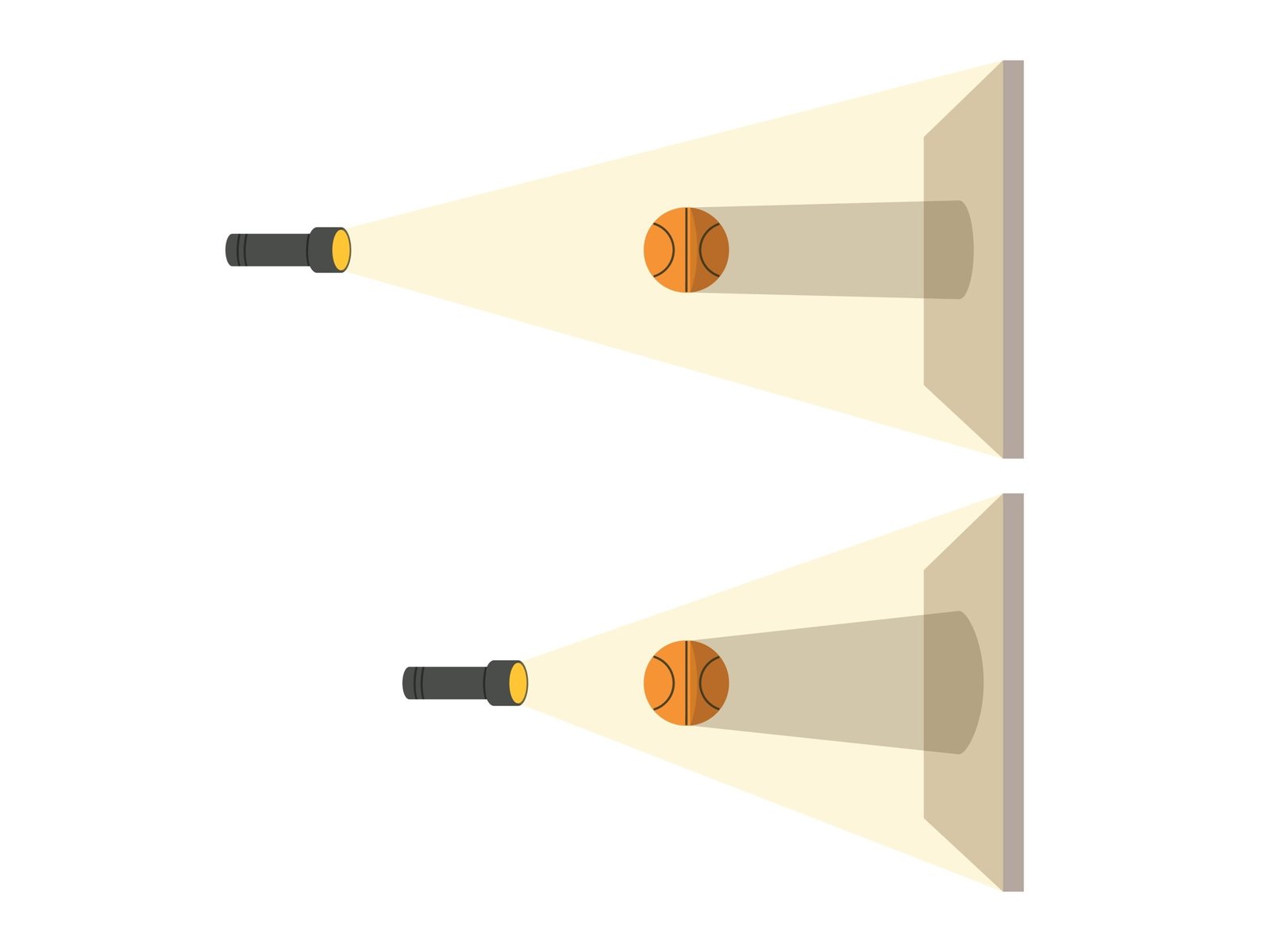
🧭 A shadow is a dark region formed on a surface when light is blocked by an opaque object.
Shadows help us understand the shape and size of objects.
🧠 Transparent objects like glass 🪟 do not form clear shadows.
Translucent objects form faint shadows 🌫️.
🧭 The size of a shadow depends on the position of the light source.
Closer light 🔦 → Bigger shadow
Farther light ☀️ → Smaller shadow
🧠 The shape of the shadow changes with the angle of light.
🌞 Shadows change during the day.
In the morning 🌅 and evening 🌇, shadows are long.
At noon 🕛, shadows are shortest.
🧠 This happens because the Sun’s position changes in the sky.
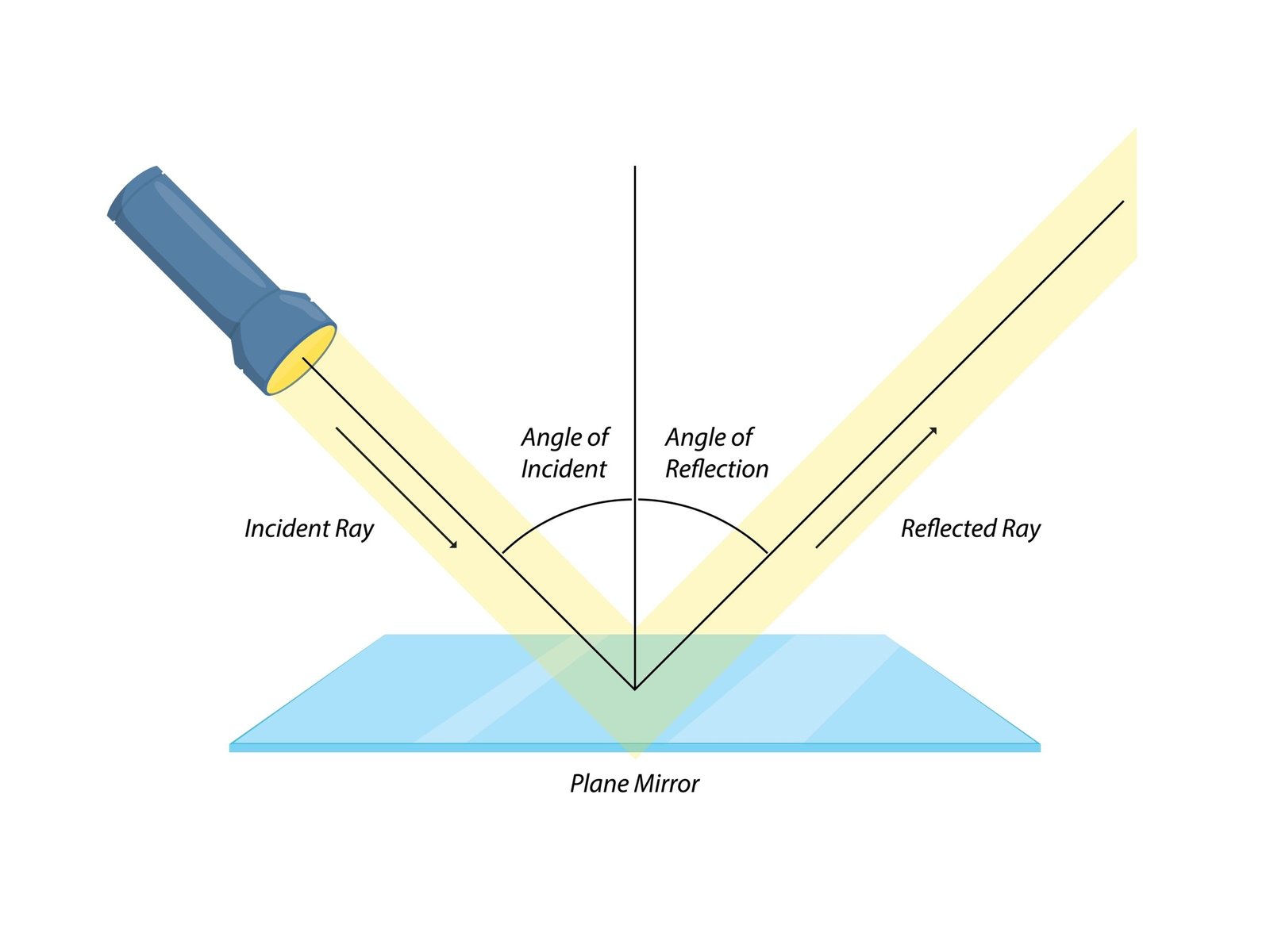
🧭 A reflection occurs when light bounces back after striking a surface 🔄.
Smooth and shiny surfaces reflect light better ✨.
🪞 A plane mirror reflects light clearly.
Water 🌊 and polished metal 🪙 also show reflection.
🧠 The image formed by a plane mirror has special features.
It is upright 🙂.
It is of the same size 📏.
It appears behind the mirror.
🧠 This image cannot be obtained on a screen.
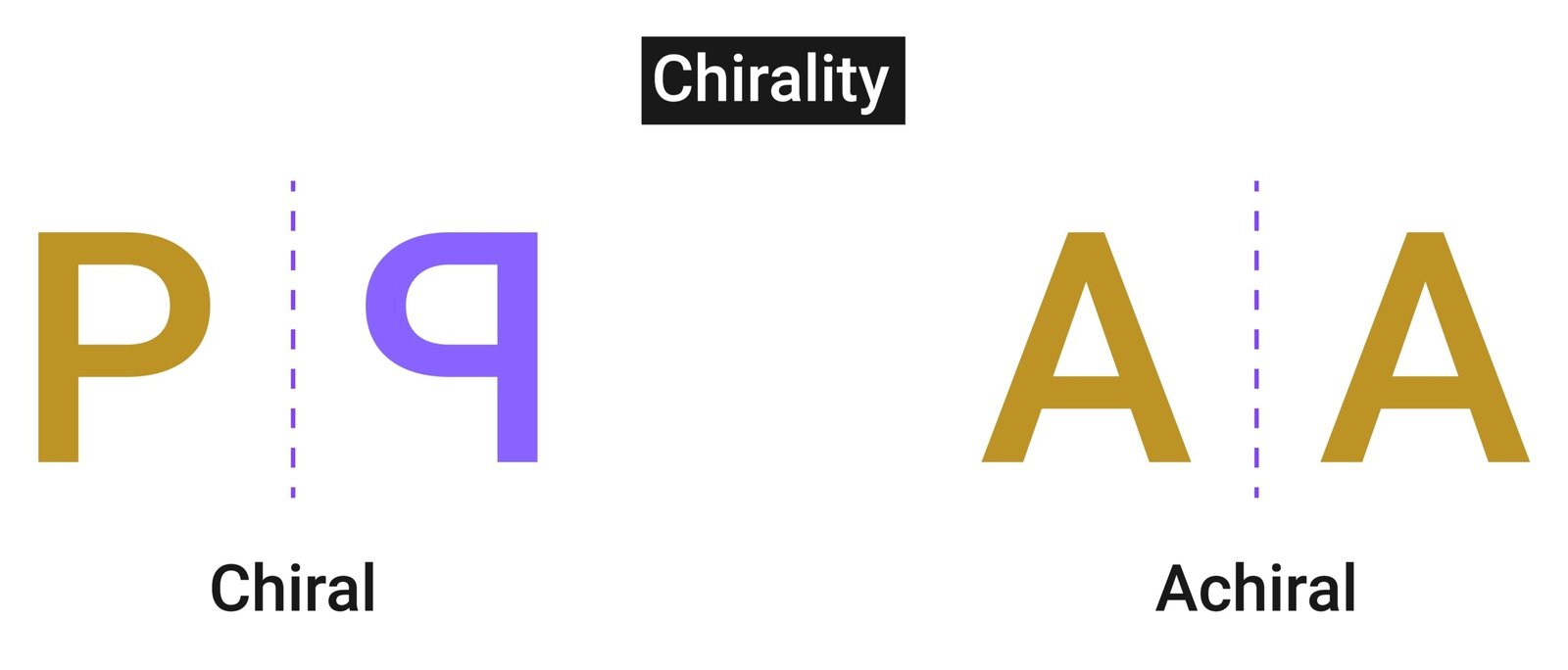
🧭 Lateral inversion is an important property of mirror images.
Left becomes right ⬅️➡️.
🧠 This is why writing appears reversed in a mirror.
🧭 Multiple reflections occur when light reflects between two mirrors 🔁.
This creates many images.
🧠 This effect is used in devices like kaleidoscopes 🔮.
🔍 Light reflection helps in daily life.
Seeing ourselves 🪞
Reading signs 🚏
Using periscopes 🛥️
🧠 Reflection makes vision and navigation possible.
🧭 Shadows are also useful.
They help in sundials ⏰.
They help estimate height and direction 🧭.
🧠 Shadows were used in ancient times to measure time.
🧠 Light behaves differently with different materials.
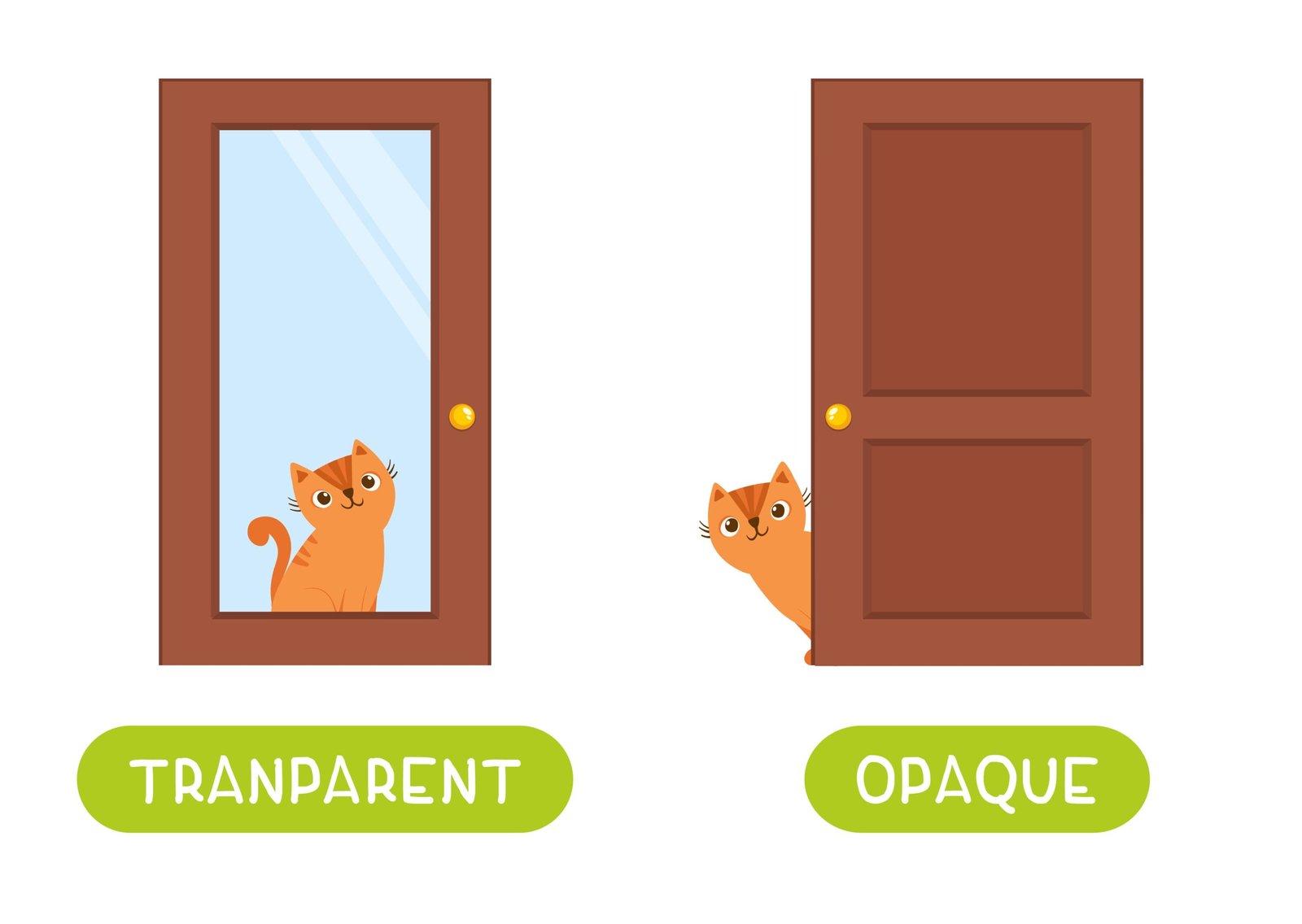
Opaque materials block light 🚫.
Transparent materials allow light to pass ✔️.
Translucent materials scatter light 🌫️.
🧠 This classification helps understand object visibility.
🌍 Light plays a vital role in nature.
Plants use light for photosynthesis 🌱☀️.
Animals use light for vision 👁️.
🧠 Light supports life on Earth.
🧭 Studying light builds scientific thinking.
Observation 👀
Reasoning 🧠
Experimentation 🔬
🧠 It prepares students for advanced topics in optics.
📜 Light, shadows, and reflections explain how we see the world.
From simple shadows to mirror images, light helps us understand nature better.
🚀 Learning about light improves awareness and curiosity.
📝 Summary of the Lesson
Light is a form of energy that helps us see objects. It travels in a straight line and forms shadows when its path is blocked by opaque objects. Shadows depend on the position of the light source and change during the day. Reflection occurs when light bounces back from smooth surfaces like mirrors. A plane mirror forms an upright image of the same size and shows lateral inversion. Light behaves differently with transparent, translucent, and opaque materials. Understanding light, shadows, and reflections helps explain daily observations and supports scientific learning.
⚡ Quick Recap
⭐ Light enables vision
⭐ Light travels in straight lines
⭐ Shadows form when light is blocked
⭐ Reflection occurs on smooth surfaces
⭐ Mirrors show lateral inversion
⭐ Shadows change with Sun’s position
⭐ Light supports life
——————————————————————————————————————————————————————————————————————————–
TEXTBOOK QUESTIONS
🔒 ❓ Question 1
Which of the following are luminous objects?
Mars, Moon, Pole Star, Sun, Venus, Mirror
📌 Answer:
🔹 Luminous objects:
Sun – produces its own light
Pole Star – a star, emits its own light
🔹 Non-luminous objects:
Mars, Moon, Venus – shine by reflecting sunlight
Mirror – reflects light, does not produce it
🔒 ❓ Question 2
Match the items in Column A with those in Column B.
📌 Answer:
🔹 Pinhole camera → Forms an inverted image
🔹 Opaque object → Blocks light completely
🔹 Transparent object → Light passes almost completely through it
🔹 Shadow → The dark region formed behind the object
🔒 ❓ Question 3
Sahil, Rekha, Patrick, and Qasima are trying to observe the candle flame through pipes (Fig. 11.16). Who can see the flame?
📌 Answer:
🔹 Patrick and Rekha can see the flame
🔹 Light travels in a straight line
🔹 Only those whose pipes are in a straight path with the flame can see it
🔹 Bent paths do not allow light to reach the eyes
🔒 ❓ Question 4
Look at Fig. 11.17 and select the correct image showing the shadow formation of the boy.
📌 Answer:
✔️ Correct option: (a)
🔹 The Sun is on one side
🔹 Shadow forms on the opposite side
🔹 Shadow is longer when the Sun is low in the sky
🔒 ❓ Question 5
Shadow of a ball is formed on a wall (Fig. 11.18). Choose the correct representations.
📌 Answer:
🔹 Scenario (i): Ball closer to the torch
Shadow is larger and blurred → Option (b)
🔹 Scenario (ii): Ball closer to the wall
Shadow is smaller and sharper → Option (a)
🔒 ❓ Question 6
Match Column A with Column B (based on Fig. 11.18).
📌 Answer:
🔹 Torch close to the ball → Shadow would be larger
🔹 Torch far away → Shadow would be smaller
🔹 Ball removed from the set-up → Bright spot appears on screen
🔹 Two torches on one side of ball → Two shadows appear on screen
🔒 ❓ Question 7
You view a tree through a pinhole camera. Sketch the outline of the image formed.
📌 Answer:
🔹 The image will be inverted
🔹 Top of the tree appears at the bottom
🔹 The image is smaller than the object
🔹 This happens because light travels in straight lines
🔒 ❓ Question 8
Write your name on paper and hold it in front of a plane mirror. What difference do you notice?
📌 Answer:
🔹 The image shows lateral inversion
🔹 Left side appears as right and vice versa
🔹 This occurs due to reflection in a plane mirror
🔹 Top and bottom remain unchanged
🔒 ❓ Question 9
Measure the length of your shadow at 9 AM, 12 PM, and 4 PM.
📌 Answer:
🔹 (i) Shortest shadow: At 12 PM
🔹 (ii) Reason:
Sun is overhead
Light falls almost vertically
Shadow length is minimum
🔒 ❓ Question 10
Choose the correct option.
Statement A: Image formed by a plane mirror is laterally inverted.
Statement B: Images of alphabets T and O appear identical in a plane mirror.
📌 Answer:
✔️ Correct option: (i) Both statements are true
🔹 Plane mirror causes lateral inversion
🔹 Alphabets like T and O are symmetrical
🔒 ❓ Question 11
Can the tube shown in Fig. 11.20 be used to make a periscope?
📌 Answer:
✔️ Yes
🔹 Two plane mirrors are fixed at 45° angles
🔹 One mirror at the top bend
🔹 One mirror at the bottom bend
🔹 Light reflects twice and reaches the eye
🔒 ❓ Question 12
Why is the shadow of a bird not seen when it flies high but visible when it comes near the ground?
📌 Answer:
🔹 When the bird is high, light spreads widely
🔹 Shadow becomes very faint
🔹 When bird comes closer to ground, light is blocked clearly
🔹 Hence, shadow becomes visible.
——————————————————————————————————————————————————————————————————————————–
OTHER IMPORTANT QUESTIONS
SECTION 1 — MCQs (5 Questions)
🔒 ❓ Q1. Which object allows light to pass through it completely?
🟢 1️⃣ Opaque
🔵 2️⃣ Translucent
🟡 3️⃣ Transparent
🟣 4️⃣ Reflective
✔️ Answer: 🟡 3️⃣ Transparent
🔒 ❓ Q2. Which type of object forms a dark shadow?
🟢 1️⃣ Transparent
🔵 2️⃣ Translucent
🟡 3️⃣ Opaque
🟣 4️⃣ Shiny
✔️ Answer: 🟡 3️⃣ Opaque
🔒 ❓ Q3. What is formed when light is blocked by an object?
🟢 1️⃣ Image
🔵 2️⃣ Shadow
🟡 3️⃣ Reflection
🟣 4️⃣ Refraction
✔️ Answer: 🔵 2️⃣ Shadow
🔒 ❓ Q4. Which surface gives a clear reflection?
🟢 1️⃣ Rough wall
🔵 2️⃣ Paper
🟡 3️⃣ Mirror
🟣 4️⃣ Cloth
✔️ Answer: 🟡 3️⃣ Mirror
🔒 ❓ Q5. Which object reflects most of the light falling on it?
🟢 1️⃣ Black paper
🔵 2️⃣ Rough surface
🟡 3️⃣ Smooth shiny surface
🟣 4️⃣ Mud
✔️ Answer: 🟡 3️⃣ Smooth shiny surface
SECTION 2 — Very Short Answer (5 Questions)
🔒 ❓ Q6. Name the object that does not allow light to pass.
📌 ✅ Answer: Opaque
🔒 ❓ Q7. What is the dark region formed behind an object called?
📌 ✅ Answer: Shadow
🔒 ❓ Q8. Name the device used to see reflection.
📌 ✅ Answer: Mirror
🔒 ❓ Q9. Which type of objects allow partial light to pass?
📌 ✅ Answer: Translucent
🔒 ❓ Q10. What is the bouncing back of light called?
📌 ✅ Answer: Reflection
SECTION 3 — Short Answer (3 Questions)
🔒 ❓ Q11. Why is a shadow always dark?
📌 ✅ Answer:
🔹 A shadow is formed when light is blocked by an opaque object.
🔸 No light reaches the region behind the object.
🔹 Hence, the shadow appears dark.
🔒 ❓ Q12. Why do we see our image clearly in a mirror?
📌 ✅ Answer:
🔹 A mirror has a smooth and shiny surface.
🔸 It reflects light regularly.
🔹 This forms a clear image of the object.
🔒 ❓ Q13. How are transparent, translucent and opaque objects different?
📌 ✅ Answer:
🔹 Transparent objects allow all light to pass through.
🔸 Translucent objects allow partial light.
🔹 Opaque objects block light completely.
SECTION 4 — Long Answer (1 Question)
🔒 ❓ Q14. Explain how shadows are formed and write the conditions required for their formation.
📌 ✅ Answer:
🔹 A shadow is formed when light is blocked by an opaque object.
🔸 Light travels in a straight line and cannot bend around objects.
🔹 For shadow formation, a source of light, an opaque object and a screen are required.
🔸 The size and shape of the shadow depend on the position of the object and light source.
——————————————————————————————————————————————————————————————————————————–
ADVANCE KNOWLEDGE
🌍 Light: The Messenger That Lets Us See the Universe
Light is not just brightness—it is information. Every colour, shadow, and reflection carries messages about shape, distance, texture, and motion. Without light, the world would still exist, but it would be unknown to us.
🧠 Big idea:
Light does not merely illuminate objects—it reveals reality.
🧠 What Light Really Is (Beyond the Book)
Light is a form of energy that travels incredibly fast.
⭐ Deep fact: Light can travel through empty space, unlike sound.
🧠 Light behaves in surprising ways:
Travels in straight lines
Can bounce back
Can bend and spread
⭐ These behaviours create shadows, reflections, and images.
⚠️ Misconception vs Reality
⚠️ Misconception: Eyes send light to objects
✅ Reality: Objects reflect light into our eyes
⚠️ Misconception: Shadows are black objects
✅ Reality: Shadows are regions where light is blocked
⚠️ Misconception: Mirrors create light
✅ Reality: Mirrors only redirect existing light
🌑 Shadows: Absence with a Shape
A shadow forms when an object blocks light.
🧠 Three things are needed:
A light source
An opaque object
A surface
⭐ Shadows are not objects—they are spaces without light.
🌞 Why Shadows Change Size and Shape
Shadows are dynamic.
🧠 Shadow size depends on:
Distance between object and light
Size of light source
Angle of light
⭐ Morning and evening shadows are long because sunlight arrives at a slant.
🧠 This is how ancient people measured time using sundials.
🌗 Umbra and Penumbra: Layers of Darkness
Shadows are not always equally dark.
🌑 Umbra
Darkest central region
Light completely blocked
🌘 Penumbra
Lighter outer region
Light partially blocked
⭐ Solar and lunar eclipses occur because of umbra and penumbra.
🌍 Shadows in Nature
Shadows help animals survive.
🦎 Lizards hide in shadows to cool down
🦉 Predators use shadows to stay unseen
🧠 Shade is nature’s temperature regulator.
🪞 Reflection: Light’s Return Journey
Reflection happens when light bounces back after hitting a surface.
🧠 Smooth surfaces reflect regularly
🧠 Rough surfaces scatter light
⭐ This is why mirrors form clear images and walls do not.
🧠 Laws of Reflection (Conceptual View)
Reflection follows strict rules.
🧠 Key ideas:
Light approaches a surface
Light leaves at the same angle
⭐ These laws never fail—whether in mirrors or space telescopes.
🪞 Plane Mirrors: Image Makers
Plane mirrors create images with special properties.
🧠 Mirror images are:
Upright
Same size
Laterally inverted
⭐ Lateral inversion explains why text appears reversed in mirrors.
🌍 Reflection Beyond Mirrors
Reflection occurs everywhere.
🌍 Examples:
Moon reflecting sunlight
Calm lakes acting as mirrors
Road glare on hot days
🧠 Reflection allows us to see objects that do not produce light.
🚀 Reflection in Technology
Modern technology uses reflection intelligently.
🚀 Used in:
Periscopes
Solar cookers
Road safety reflectors
Telescopes
⭐ Astronomers study distant stars using reflected and collected light.
⚠️ Light Pollution: A Modern Problem
Too much artificial light causes trouble.
⚠️ Effects:
Disturbs animal behaviour
Hides stars
Wastes energy
🧠 Darkness is also important for natural balance.
🌈 Colours and Reflection
Objects appear coloured because of selective reflection.
🧠 A red object:
Reflects red light
Absorbs other colours
⭐ White reflects most colours
⭐ Black absorbs most colours
🧠 Colour is not inside objects—it is created by light interaction.
🌞 Sun, Shadows, and Earth
The Sun is the main natural light source.
🌍 Earth’s movement causes:
Day and night
Changing shadow directions
Seasonal light patterns
⭐ Without Earth’s rotation, shadows would never move.
🚀 Modern Science: Seeing the Invisible
🚀 Scientists use light beyond visibility.
🧠 Tools include:
Infrared cameras
Ultraviolet imaging
Laser scanning
⭐ These reveal things eyes cannot see—heat leaks, distant galaxies, hidden injuries.
⭐ Amazing Light Facts
⭐ Light travels about 300,000 km per second
⭐ Moonlight is reflected sunlight
⭐ Shadows can be coloured under multiple lights
⭐ Eyes see only a tiny part of the light spectrum
🧠 Why Curious Minds Must Study Light
Light connects:
Physics
Biology (vision)
Astronomy
Technology
🧠 Understanding light sharpens observation and reasoning skills.
🌟 Final Thought
Light shows us the world.
Shadows remind us where light cannot reach.
Reflections teach us that reality can be reversed but not changed.
🧠 To understand light is to learn how the universe communicates with our eyes.
——————————————————————————————————————————————————————————————————————————–