
Class 12 : Biology (English) – Lesson 8: Microbes in Human Welfare
EXPLANATION & SUMMARY
🌟 Introduction
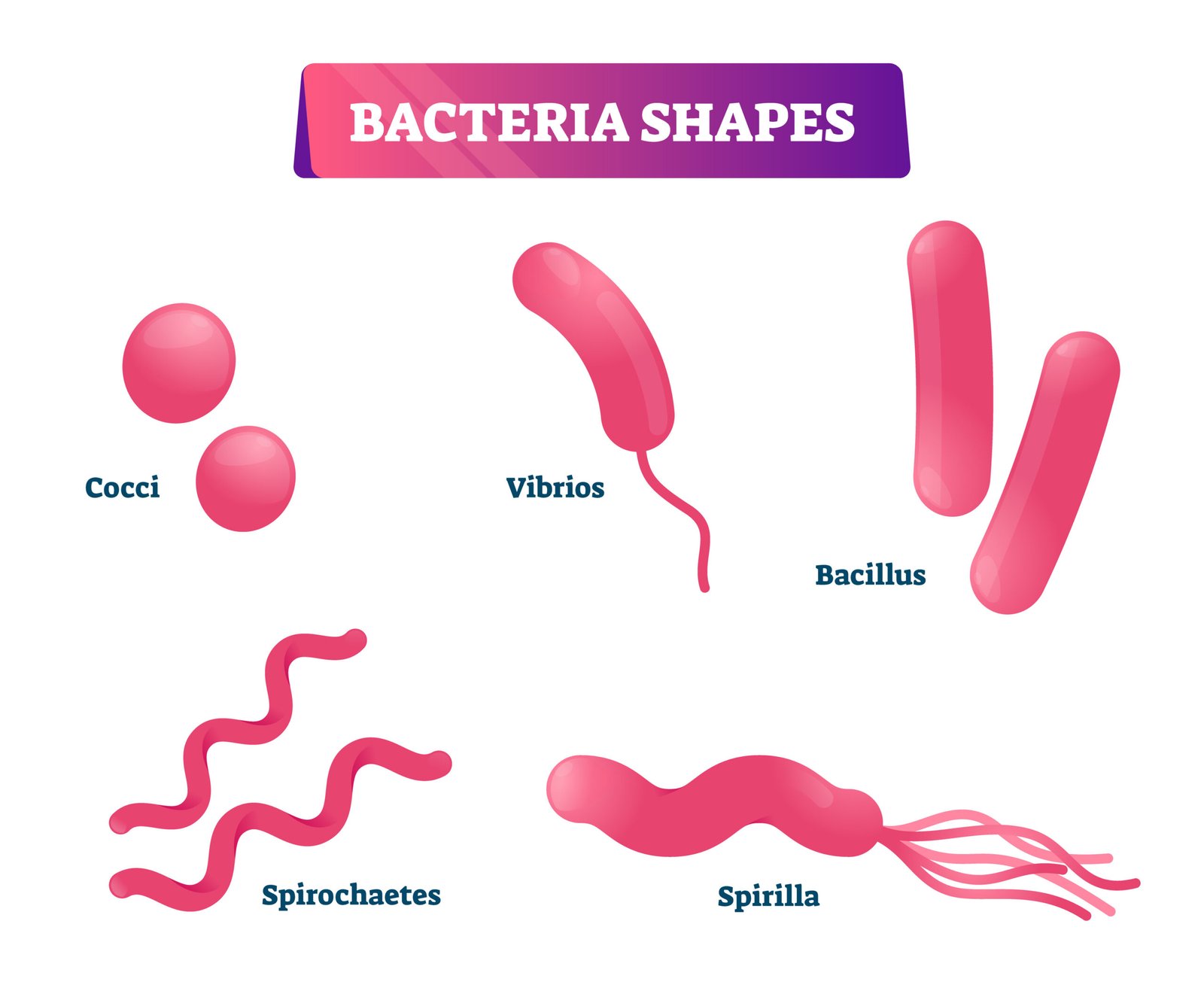
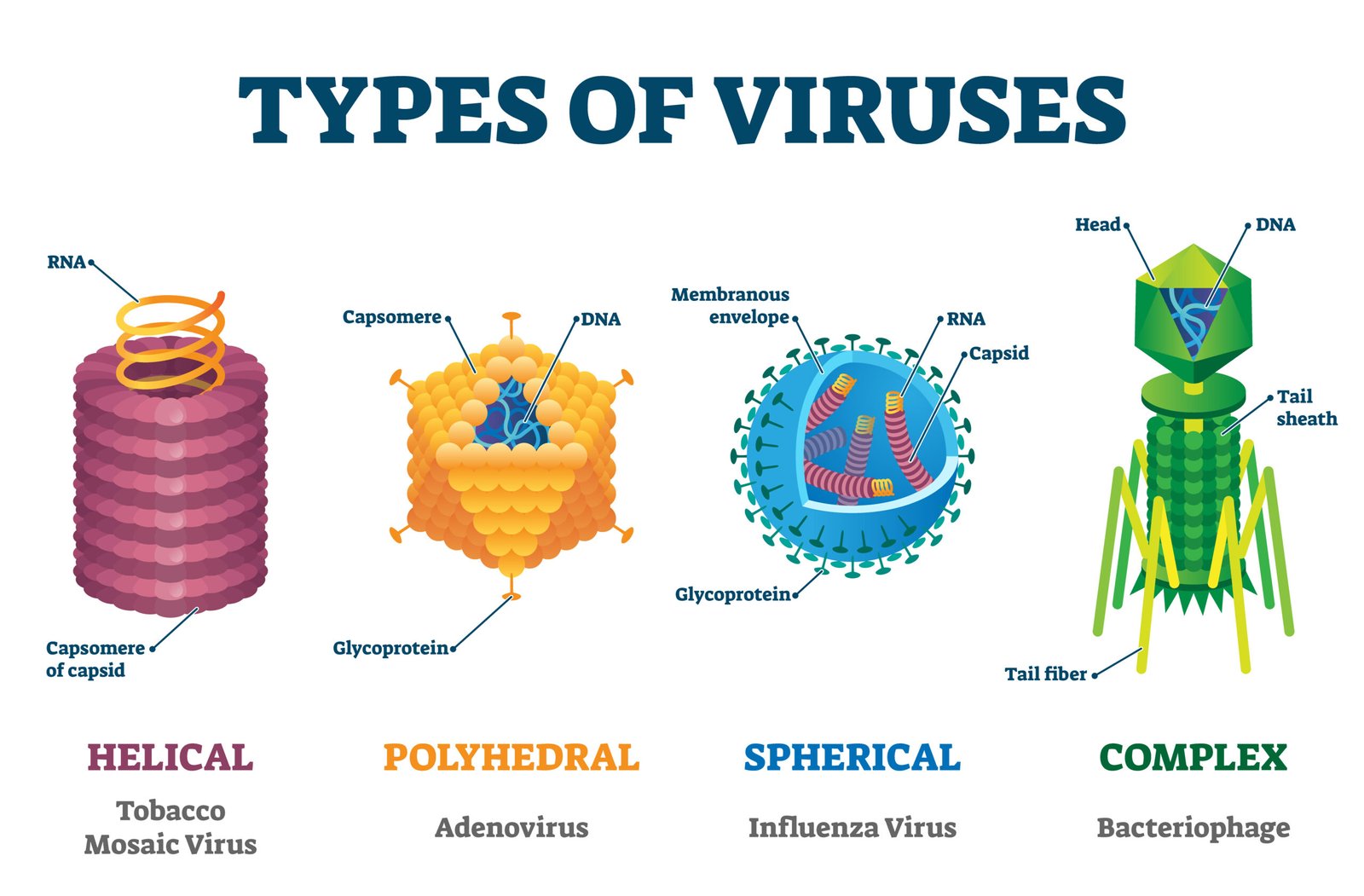
🦠 Microbes are tiny organisms (bacteria, fungi, protozoa, viruses, algae) that are invisible to the naked eye but play a huge role in human welfare.
🌱 They are used in food industries, medicine, agriculture, sewage treatment, and energy production.
💉 Some microbes cause diseases, but many are beneficial and essential for life processes.
🍞 Microbes in Household Products
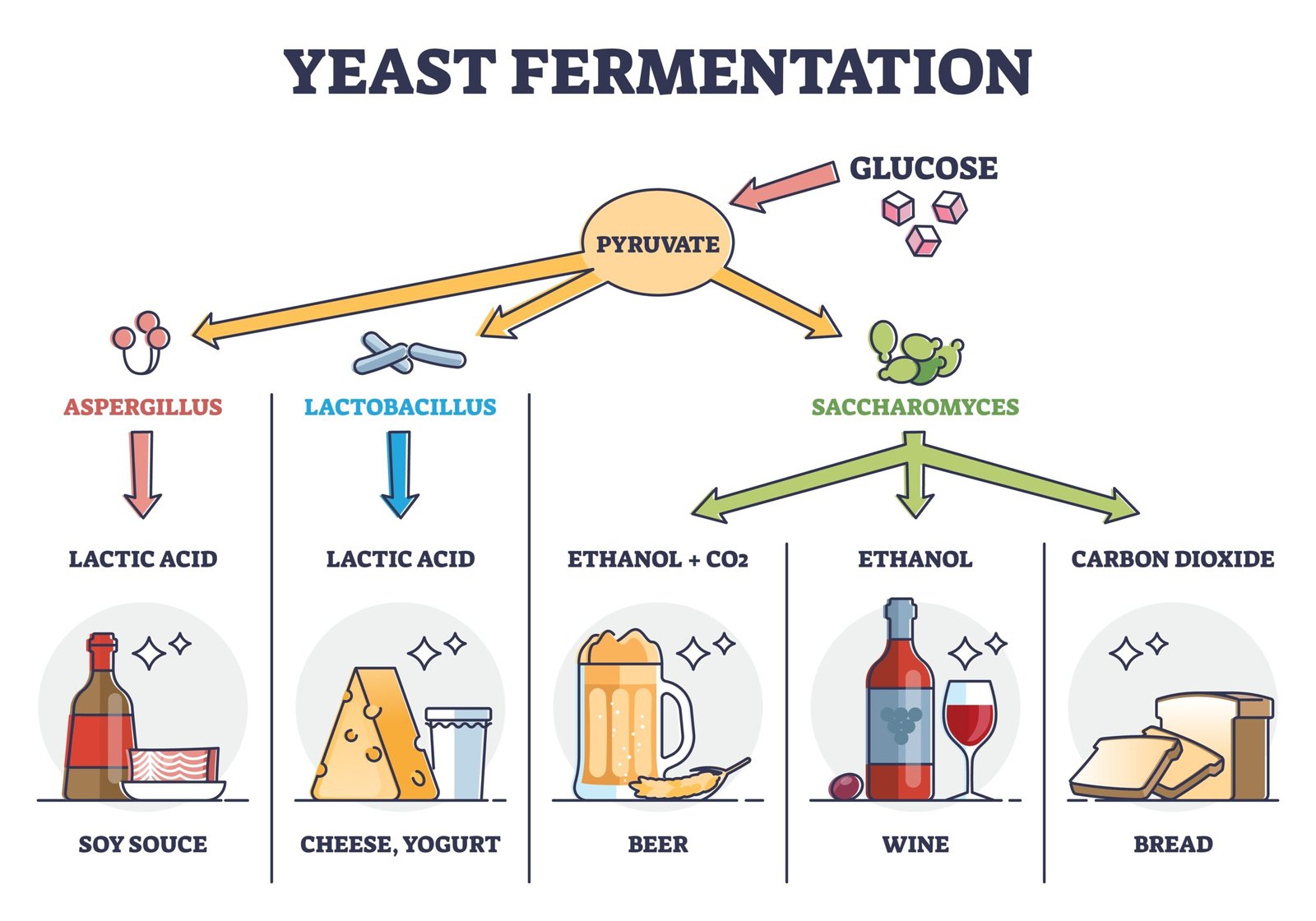
🍶 Lactic acid bacteria (LAB) (Lactobacillus) → curd, cheese, flavour, and nutrient enrichment (Vitamin B12).
🍞 Yeast (Saccharomyces cerevisiae) → bread, fermentation (CO₂ causes dough to rise).
🍺 Yeast (S. cerevisiae) → alcoholic fermentation (beer, wine, toddy).
🍶 Traditional products: Idli, dosa, dhokla, bhatura → fermentation of batter.
🍻 Microbes in Industrial Products
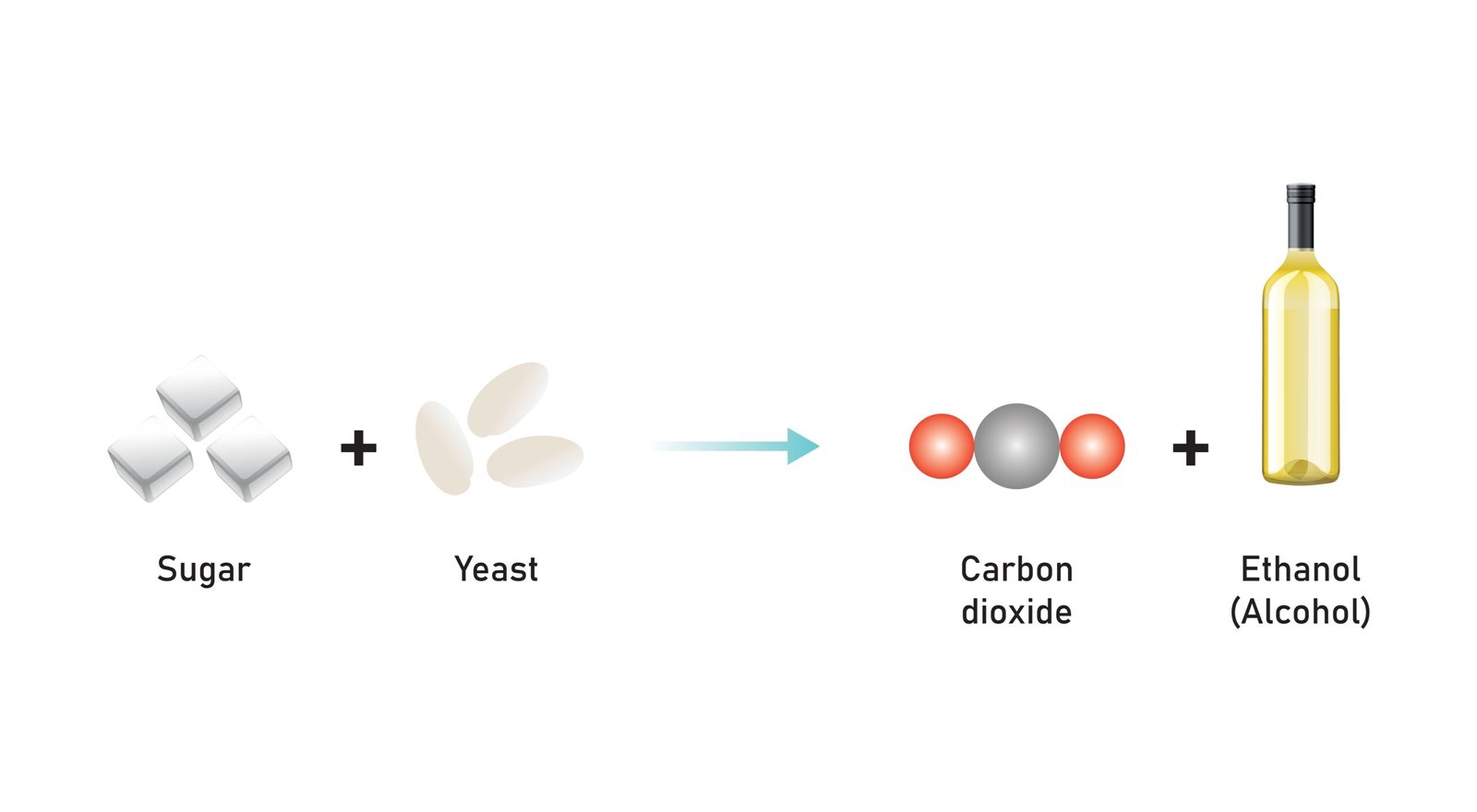
Alcoholic Beverages
🍷 Wine & 🍺 beer from yeast fermentation.
🥃 Distilled spirits like whisky, rum, brandy from distillation.
Antibiotics (💊 life-saving drugs from microbes)
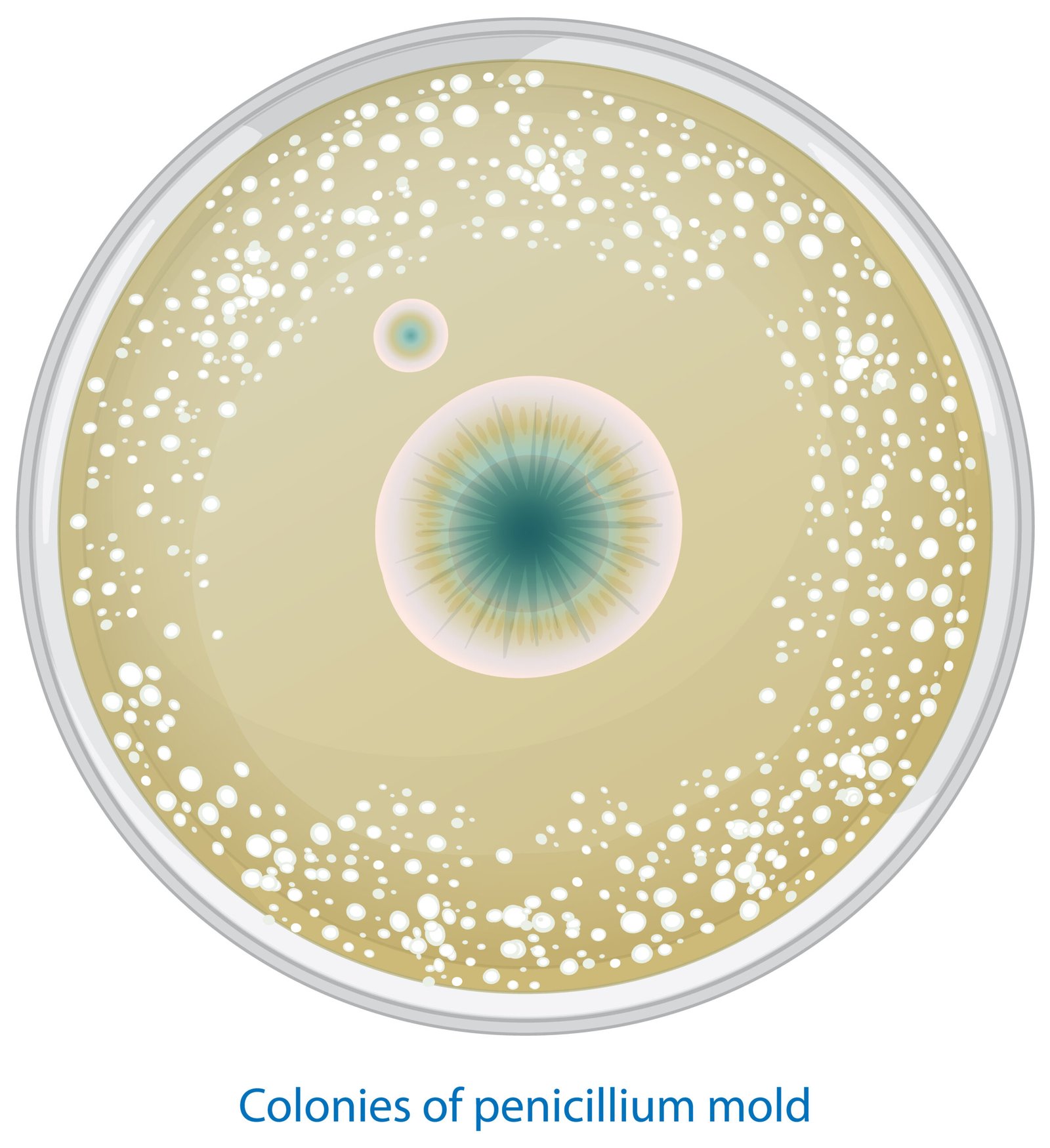
Penicillin (Penicillium notatum) — discovered by Alexander Fleming.
Streptomycin (Streptomyces griseus).
Tetracycline (Streptomyces aureofaciens).
Enzymes & Organic Acids
Amylases (fungi & bacteria) → detergents, starch breakdown.
Lipases → food processing, cleaning.
Acids: Citric acid (Aspergillus niger), Acetic acid (Acetobacter aceti), Lactic acid (LAB).
🚰 Microbes in Sewage Treatment
🏭 Sewage treatment plants (STPs) use microbes to decompose organic matter.
Primary treatment: Physical removal of solids.
Secondary treatment: Biological degradation by microbes.
Aerobic microbes form activated sludge → reduces BOD (biological oxygen demand).
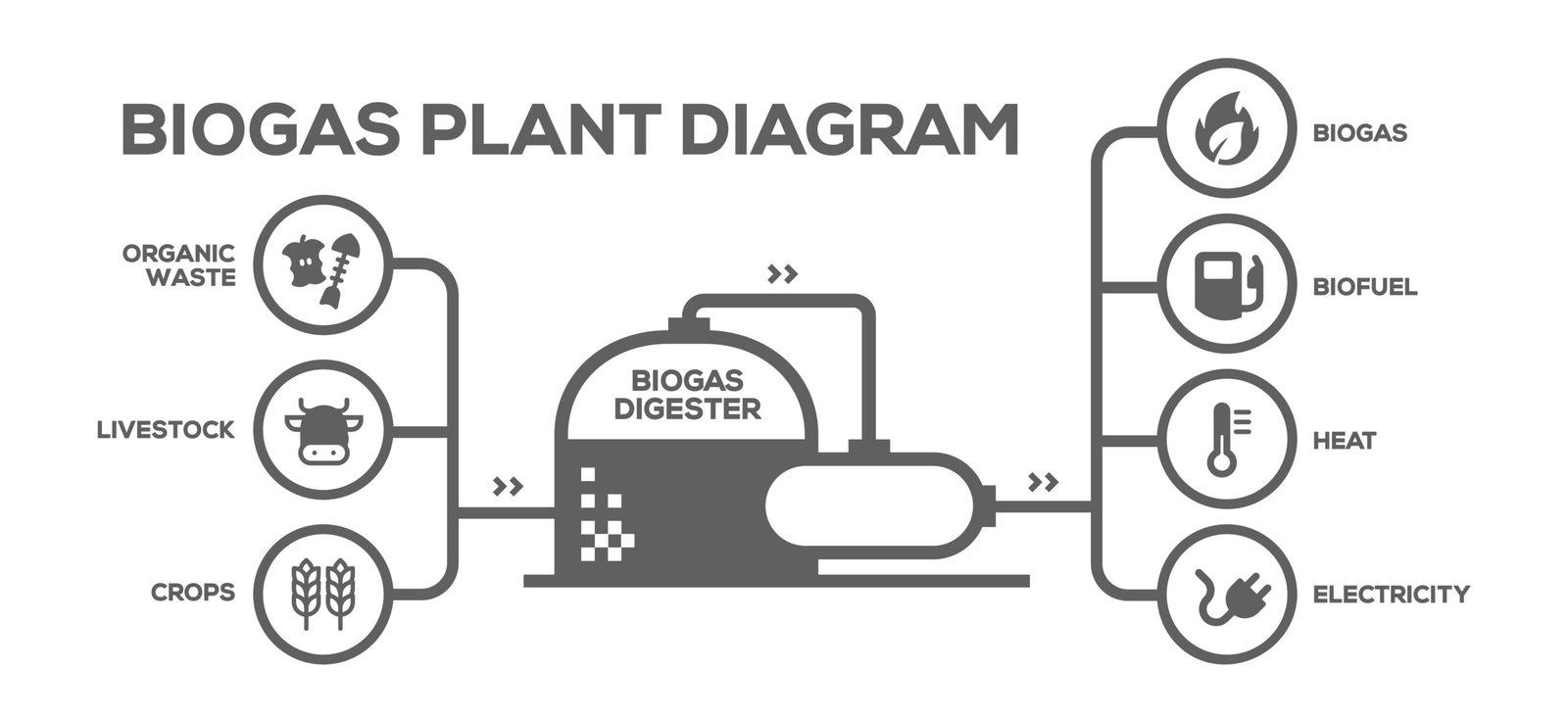
Methanogens (Archaebacteria) in anaerobic sludge digesters → produce biogas.
🌿 Microbes in Production of Biogas
Biogas plants (Gobar gas plants):
Raw material: dung 🐄 + other organic waste.
Microbes: Methanogens (Methanobacterium).
Gas mixture: CH₄ (major), CO₂, H₂.
🔋 Used as fuel for cooking, lighting, and even electricity.
🌾 Microbes as Biofertilisers
🟢 Symbiotic bacteria: Rhizobium in root nodules (legumes) → nitrogen fixation.
🟣 Free-living bacteria: Azotobacter, Azospirillum.
🟠 Cyanobacteria (Blue-Green Algae): Anabaena, Nostoc → nitrogen fixation in rice fields.
🔵 Fungi: Mycorrhiza (Glomus) → symbiotic association with roots → increases phosphorus uptake.
🌍 Eco-friendly alternative to chemical fertilisers.
🧬 Microbes in Medicine & Biotechnology
Antibiotics 💊: Life-saving against bacterial infections.
Immunosuppressants: Cyclosporin A (Trichoderma polysporum) → organ transplant success.
Statins: Produced by Monascus purpureus, lower blood cholesterol.
Recombinant technology: Microbes engineered for insulin, vaccines, hormones.
🌟 Summary (≈300 words)
Microbes are indispensable allies of humans. In households, they make curd, bread, alcohol, and fermented foods. Industrially, microbes are used to produce alcoholic beverages, antibiotics (penicillin, streptomycin), enzymes, and organic acids.
In sewage treatment, microbes reduce pollution by breaking down organic wastes, while methanogens in sludge digesters generate biogas. Agriculture benefits from biofertilisers: Rhizobium, Azotobacter, cyanobacteria, and mycorrhizal fungi improve soil fertility and reduce dependence on chemicals.
In medicine and biotechnology, microbes produce antibiotics, immunosuppressants (cyclosporin A), cholesterol-lowering agents (statins), and recombinant products like insulin.
Thus, microbes, though microscopic, are macroscopic in impact — supporting food, health, energy, agriculture, and the environment.
🎯 Quick Recap
🧫 Household: Curd, bread, beverages.
🏭 Industry: Antibiotics, enzymes, acids, alcohols.
🚰 Sewage: Microbes purify water, reduce BOD.
🔋 Biogas: Methanogens produce fuel.
🌱 Biofertilisers: Nitrogen-fixers, mycorrhiza.
💊 Medicine: Antibiotics, cyclosporin A, statins.
————————————————————————————————————————————————————————————————————————————
QUESTIONS FROM TEXTBOOK
🔹 Q1. Bacteria cannot be seen with the naked eyes, but these can be seen with the help of a microscope. If you have to carry a sample from your home to your biology laboratory to demonstrate the presence of microbes with the help of a microscope, which sample would you carry and why?
👉 Answer:
🥛 Curd, because it contains Lactic Acid Bacteria (LAB) (Lactobacillus).
Under a microscope, rods-shaped bacteria are visible.
LAB multiply and convert milk lactose into lactic acid.
🔹 Q2. Give examples to prove that microbes release gases during metabolism.
👉 Answer:
🍞 Saccharomyces cerevisiae (yeast) releases CO₂ → bread, dosa, idli dough rises.
🍺 In alcoholic fermentation → CO₂ + ethanol are released.
💩 In biogas plants, methanogens release CH₄, CO₂, H₂.
🔹 Q3. In which food would you find lactic acid bacteria? Mention some of their useful applications.
👉 Answer:
Found in curd, yoghurt, cheese.
Uses:
🥛 Fermentation of milk → curd formation.
💪 Enriches curd with Vitamin B12.
🛡️ Suppresses harmful microbes in gut → improves digestion.
🔹 Q4. Name some traditional Indian foods made of wheat, rice, and Bengal gram (or their products) which involve use of microbes.
👉 Answer:
🍚 Rice → idli, dosa.
🌾 Wheat → bhatura, bread.
🌱 Bengal gram flour → dhokla, khandvi.
🍹 Palm sap fermentation → toddy.
🔹 Q5. In which way have microbes played a major role in controlling diseases caused by harmful bacteria?
👉 Answer:
💊 Antibiotics from microbes kill/inhibit harmful bacteria.
Penicillium notatum → Penicillin.
Streptomyces griseus → Streptomycin.
Streptomyces aureofaciens → Tetracycline.
🔹 Q6. Name any two species of fungus which are used in the production of antibiotics.
👉 Answer:
Penicillium notatum → Penicillin.
Cephalosporium acremonium → Cephalosporins.
🔹 Q7. What is sewage? In which way can sewage be harmful to us?
👉 Answer:
Sewage: Wastewater containing human excreta, organic matter, pathogens.
Harmful effects:
🦠 Spreads water-borne diseases (typhoid, cholera).
☣️ Depletes dissolved oxygen → harms aquatic life.
💩 Causes bad odour, pollution.
🔹 Q8. What is the key difference between primary and secondary sewage treatment?
👉 Answer:
Primary treatment:
Physical removal of large and small particles.
Methods: filtration, sedimentation.
Secondary treatment:
Biological degradation of organic matter by microbes.
Produces activated sludge + reduces BOD.
🔹 Q9. Do you think microbes can also be used as source of energy? If yes, how?
👉 Answer:
✅ Yes. In biogas plants, methanogens like Methanobacterium ferment dung + organic waste.
Produces biogas (CH₄, CO₂, H₂).
Used as 🔥 fuel for cooking, lighting, power.
🔹 Q10. Microbes can be used to decrease the use of chemical fertilisers and pesticides. Explain how this can be accomplished.
👉 Answer:
🌱 Biofertilisers:
Rhizobium → nitrogen fixation in legumes.
Azotobacter, Nostoc, Anabaena → free-living nitrogen fixers.
Mycorrhiza (Glomus) → phosphorus uptake.
🐞 Biopesticides:
Bacillus thuringiensis (Bt toxin) → kills insects.
Trichoderma → fungal biocontrol.
🔹 Q11. Three water samples namely river water, untreated sewage water and secondary effluent discharged from a sewage treatment plant were subjected to BOD test. The samples were labelled A, B and C; but the laboratory attendant did not note which was which. The BOD values of the three samples A, B and C were recorded as 20 mg/L, 8 mg/L and 400 mg/L respectively. Which sample of the water is most polluted? Can you assign the correct label to each assuming the river water is relatively clean?
👉 Answer:
💧 Higher BOD → more polluted.
400 mg/L → Untreated sewage.
20 mg/L → Secondary effluent.
8 mg/L → Relatively clean river water.
🔹 Q12. Find out the name of the microbes from which Cyclosporin A (an immunosuppressive drug) and Statins (blood cholesterol-lowering agents) are obtained.
👉 Answer:
Cyclosporin A → Trichoderma polysporum.
Statins → Monascus purpureus.
🔹 Q13. Find out the role of microbes in the following:
(a) Single Cell Protein (SCP):
Microbes like Spirulina, Methylophilus methylotrophus → produce protein-rich biomass.
Used as food supplement, low-cost nutrition.
(b) Soil:
Microbes recycle nutrients.
Nitrogen fixation by Rhizobium, Azotobacter.
Decomposition by fungi and bacteria.
🔹 Q14. Arrange the following in the decreasing order (most important first) of their importance, for the welfare of human society. Give reasons for your answer.
Biogas, Citric acid, Penicillin, Curd.
👉 Answer:
Most important:
1️⃣ Penicillin (life-saving antibiotic).
2️⃣ Biogas (renewable energy).
3️⃣ Curd (nutritious food, probiotics).
4️⃣ Citric acid (industrial use).
🔹 Q15. How do biofertilisers enrich the fertility of the soil?
👉 Answer:
🌱 Fix atmospheric N₂ (Rhizobium, Azotobacter).
🌿 Mycorrhiza increases phosphorus uptake.
🍂 Decompose organic matter → release nutrients.
🌍 Reduce chemical fertiliser dependency → eco-friendly.
————————————————————————————————————————————————————————————————————————————
OTHER IMPORTANT QUESTIONS FOR EXAMS
(CBSE MODEL QUESTION PAPER)
ESPECIALLY MADE FROM THIS CHAPTER ONLY
🟢 Section A — Very Short MCQs (1 mark each)
🔹 Q1. 🍞 Yeast used for bread-making is:
🔵 (A) Saccharomyces cerevisiae
🟢 (B) Rhizopus arrhizus
🟠 (C) Penicillium notatum
🔴 (D) Aspergillus niger
✅ Answer: (A) Saccharomyces cerevisiae
🔹 Q2. 🍶 Acetic acid (vinegar) is produced by:
🔵 (A) Acetobacter aceti
🟢 (B) Monascus purpureus
🟠 (C) Trichoderma polysporum
🔴 (D) Azotobacter
✅ Answer: (A) Acetobacter aceti
🔹 Q3. 💊 The first antibiotic discovered was:
🔵 (A) Streptomycin
🟢 (B) Tetracycline
🟠 (C) Penicillin
🔴 (D) Rifampicin
✅ Answer: (C) Penicillin
🔹 Q4. 🔋 The chief gas in biogas is:
🔵 (A) CO₂
🟢 (B) H₂
🟠 (C) CH₄
🔴 (D) N₂
✅ Answer: (C) CH₄
🔹 Q5. 🧪 Cyclosporin A (immunosuppressant) is obtained from:
🔵 (A) Trichoderma polysporum
🟢 (B) Streptomyces griseus
🟠 (C) Monascus purpureus
🔴 (D) Penicillium chrysogenum
✅ Answer: (A) Trichoderma polysporum
🔹 Q6. 🩺 Statins (cholesterol-lowering) are produced by:
🔵 (A) Monascus purpureus
🟢 (B) Rhizobium
🟠 (C) Aspergillus niger
🔴 (D) Lactobacillus
✅ Answer: (A) Monascus purpureus
🔹 Q7. 🐛 A microbial biopesticide used against insect larvae is:
🔵 (A) Bacillus thuringiensis
🟢 (B) Rhizobium
🟠 (C) Azotobacter
🔴 (D) Spirulina
✅ Answer: (A) Bacillus thuringiensis
🔹 Q8. 🚰 BOD (Biological Oxygen Demand) indicates:
🔵 (A) Hardness of water
🟢 (B) Organic pollution load
🟠 (C) pH of water
🔴 (D) Salinity
✅ Answer: (B) Organic pollution load
🔹 Q9. 🌾 Biofertiliser commonly used in paddy fields:
🔵 (A) Anabaena/Nostoc (cyanobacteria)
🟢 (B) Penicillium
🟠 (C) Escherichia coli
🔴 (D) Plasmodium
✅ Answer: (A) Anabaena/Nostoc (cyanobacteria)
🔹 Q10. 🧫 Citric acid is industrially produced by:
🔵 (A) Aspergillus niger
🟢 (B) Acetobacter aceti
🟠 (C) Saccharomyces cerevisiae
🔴 (D) Rhizopus stolonifer
✅ Answer: (A) Aspergillus niger
🟡 Section B — Short Answer I (2 marks each)
🔹 Q11. 🧈 What is SCP? Give one example and one use.
✅ Answer: Single Cell Protein = protein-rich microbial biomass (e.g., Spirulina); used as low-cost dietary supplement.
🔹 Q12. 🧫 Two benefits of Lactic Acid Bacteria (LAB) in curd.
✅ Answer: (i) Ferments milk to curd & improves digestibility; (ii) Increases vitamin B₁₂ and inhibits gut pathogens.
🔹 Q13. 🧯 Two advantages of biocontrol over chemical pesticides.
✅ Answer: Specific to target pests; eco-friendly with no residue bioaccumulation.
🔹 Q14. 🌱 Mention two roles of mycorrhiza (Glomus) in plants.
✅ Answer: Enhances phosphorus uptake; provides resistance to root-borne pathogens/drought tolerance.
🔴 Section C — Short Answer II (3 marks each)
🔹 Q15. 🚰 Distinguish between primary and secondary sewage treatment.
✅ Answer:
1️⃣ Primary: Physical removal of floating & settleable solids by screening, grit removal, sedimentation.
2️⃣ Secondary: Biological oxidation by aerobic microbes → activated sludge; BOD drastically reduced.
3️⃣ Secondary effluent may be disinfected before discharge.
🔹 Q16. 🔋 Outline biogas production in an anaerobic digester.
✅ Answer:
Step 1: Hydrolysis of complex organic matter.
Step 2: Acidogenesis/acetogenesis → organic acids, H₂, CO₂.
Step 3: Methanogenesis by archaea (Methanobacterium) → CH₄-rich biogas.
🔹 Q17. 📊 BOD labeling (numerical): Three water samples have BOD = 8 mg/L, 22 mg/L, 380 mg/L. Assign river water, secondary effluent, untreated sewage.
✅ Answer:
Step 1: Highest BOD ⇒ most polluted = 380 mg/L → Untreated sewage.
Step 2: Intermediate BOD ⇒ 22 mg/L → Secondary effluent.
Step 3: Lowest BOD ⇒ 8 mg/L → Relatively clean river water.
🔴 Section C — Short Answer II
🔹 Q18. 🌱 How do microbes enrich soil fertility?
✅ Answer:
Rhizobium in legume nodules → N₂ fixation.
Free-living Azotobacter → nitrogen enrichment.
Cyanobacteria (Anabaena, Nostoc) → fix N₂ in rice paddies.
Mycorrhiza (Glomus) → increases phosphorus uptake.
🔹 Q19. 🧴 Two industrially important enzymes from microbes and their uses.
✅ Answer:
Amylase (Aspergillus) → starch hydrolysis, detergents.
Lipase (Candida) → fat hydrolysis, food processing.
🔹 Q20. 🍷 Outline steps in wine production.
✅ Answer:
Grapes crushed → juice fermented by Saccharomyces cerevisiae.
Ethanol + CO₂ produced anaerobically.
Aged in barrels before packaging.
🔹 Q21. 💊 Explain how antibiotics are produced.
✅ Answer:
Microbes cultured in fermentors.
Secondary metabolites secreted.
Extracted & purified → drugs (Penicillin, Streptomycin).
🔹 Q22. 🧬 Mention two microbes used in biotechnology.
✅ Answer:
E. coli → cloning vectors, insulin.
Agrobacterium tumefaciens → Ti plasmid transfers genes to plants.
🔹 Q23. 📉 Why is secondary sewage treatment important?
✅ Answer:
Removes organic load via microbes.
Reduces BOD → prevents pollution.
Produces activated sludge for reuse.
🔹 Q24. 💉 Name one microbial product as:
(a) Immunosuppressant
(b) Cholesterol-lowering agent
✅ Answer:
(a) Cyclosporin A (Trichoderma polysporum)
(b) Statins (Monascus purpureus)
🔹 Q25. 🦠 Write two harmful microbes with diseases.
✅ Answer:
Mycobacterium tuberculosis → Tuberculosis.
Salmonella typhi → Typhoid.
🔹 Q26. 🌾 Define biofertiliser with one example.
✅ Answer: Microbes that enrich soil nutrients. Example: Rhizobium.
🟡 Section D — Long Answer
🔹 Q27. 🚰 Describe stages of sewage treatment.
✅ Answer:
1️⃣ Primary: screening, grit removal, sedimentation.
2️⃣ Secondary: aerobic microbes → activated sludge, reduced BOD.
3️⃣ Anaerobic digestion: methanogens produce methane.
4️⃣ Final effluent disinfected → discharged.
🔹 Q28. 🍞 Explain microbial role in household products.
✅ Answer:
Lactobacillus → curd, cheese.
Saccharomyces cerevisiae → bread, alcohol.
Fermentation of rice + dal → idli, dosa.
Fermented flour → dhokla, bhatura.
🟢 Section E — Case Study (MCQs with options)
Case Study Passage:
A dairy industry wants to reduce environmental waste and simultaneously produce useful products. The company decides to use microbes for (i) converting milk to cheese and curd, (ii) treating wastewater, and (iii) generating biogas from sludge.
Q29. Which microbe is used in curd formation?
🔵 (A) Rhizobium
🟢 (B) Lactobacillus
🟠 (C) Aspergillus
🔴 (D) Penicillium
✅ Answer: (B) Lactobacillus
Q30. Which stage of sewage treatment reduces BOD?
🔵 (A) Primary treatment
🟢 (B) Secondary treatment
🟠 (C) Tertiary chlorination
🔴 (D) Screening
✅ Answer: (B) Secondary treatment
Q31. Which microbe group produces methane in biogas plants?
🔵 (A) Actinomycetes
🟢 (B) Methanogens
🟠 (C) Cyanobacteria
🔴 (D) Fungi
✅ Answer: (B) Methanogens
Q32. Which by-product of sludge digestion is used as manure?
🔵 (A) Methane
🟢 (B) Effluent slurry
🟠 (C) Carbon dioxide
🔴 (D) Lactic acid
✅ Answer: (B) Effluent slurry
Q33. Which fungus is used in cheese production for flavouring?
🔵 (A) Aspergillus niger
🟢 (B) Penicillium roqueforti
🟠 (C) Saccharomyces cerevisiae
🔴 (D) Rhizopus stolonifer
✅ Answer: (B) Penicillium roqueforti
————————————————————————————————————————————————————————————————————————————
NEET QUESTIONS FROM THIS LESSON
🔹 Q1. Which one of the following microbes forms symbiotic association with plants and helps in nitrogen fixation?
🔵 (A) Rhizobium
🟢 (B) Azotobacter
🟠 (C) Clostridium
🔴 (D) Nostoc
✅ Answer: (A) Rhizobium
📅 Year: NEET 2023
🔹 Q2. Which microbe is used in the production of immunosuppressive drug Cyclosporin A?
🔵 (A) Aspergillus niger
🟢 (B) Trichoderma polysporum
🟠 (C) Monascus purpureus
🔴 (D) Penicillium notatum
✅ Answer: (B) Trichoderma polysporum
📅 Year: NEET 2022
🔹 Q3. Which of the following is used in sewage treatment?
🔵 (A) Methanobacterium
🟢 (B) Saccharomyces cerevisiae
🟠 (C) Monascus purpureus
🔴 (D) Trichoderma
✅ Answer: (A) Methanobacterium
📅 Year: NEET 2021
🔹 Q4. Which fungus produces citric acid industrially?
🔵 (A) Penicillium
🟢 (B) Aspergillus niger
🟠 (C) Saccharomyces cerevisiae
🔴 (D) Rhizopus
✅ Answer: (B) Aspergillus niger
📅 Year: NEET 2020
🔹 Q5. Which of the following microbes is used for the production of statins (cholesterol-lowering agents)?
🔵 (A) Monascus purpureus
🟢 (B) Streptomyces griseus
🟠 (C) Trichoderma polysporum
🔴 (D) Aspergillus niger
✅ Answer: (A) Monascus purpureus
📅 Year: NEET 2019
🔹 Q6. Which microbe is used as bioinsecticide against insect larvae?
🔵 (A) Rhizobium
🟢 (B) Bacillus thuringiensis
🟠 (C) Aspergillus
🔴 (D) Saccharomyces
✅ Answer: (B) Bacillus thuringiensis
📅 Year: NEET 2018
🔹 Q7. Single Cell Protein (SCP) is obtained from:
🔵 (A) Spirulina
🟢 (B) Azotobacter
🟠 (C) Nostoc
🔴 (D) Rhizobium
✅ Answer: (A) Spirulina
📅 Year: NEET 2017
🔹 Q8. The bacterium Acetobacter aceti is used for industrial production of:
🔵 (A) Acetic acid
🟢 (B) Citric acid
🟠 (C) Butyric acid
🔴 (D) Lactic acid
✅ Answer: (A) Acetic acid
📅 Year: NEET 2016
🔹 Q9. Which microbe is used in the production of cheese?
🔵 (A) Penicillium roqueforti
🟢 (B) Aspergillus niger
🟠 (C) Rhizopus stolonifer
🔴 (D) Saccharomyces cerevisiae
✅ Answer: (A) Penicillium roqueforti
📅 Year: NEET 2015
🔹 Q10. Which of the following acts as biofertiliser in paddy fields?
🔵 (A) Rhizobium
🟢 (B) Cyanobacteria
🟠 (C) Fungi
🔴 (D) Algae
✅ Answer: (B) Cyanobacteria (Anabaena, Nostoc)
📅 Year: NEET 2014
🔹 Q11. Which of the following is used in the ripening of Swiss cheese?
🔵 (A) Lactobacillus
🟢 (B) Propionibacterium shermanii
🟠 (C) Penicillium
🔴 (D) Streptococcus
✅ Answer: (B) Propionibacterium shermanii
📅 Year: AIPMT 2013
🔹 Q12. Antibiotic Streptomycin is obtained from:
🔵 (A) Streptomyces griseus
🟢 (B) Monascus purpureus
🟠 (C) Trichoderma polysporum
🔴 (D) Aspergillus niger
✅ Answer: (A) Streptomyces griseus
📅 Year: AIPMT 2012
🔹 Q13. Which one is not a biofertiliser?
🔵 (A) Anabaena
🟢 (B) Nostoc
🟠 (C) Azotobacter
🔴 (D) Salmonella
✅ Answer: (D) Salmonella
📅 Year: AIPMT 2011
🔹 Q14. Which bacterium is associated with nitrogen fixation in leguminous plants?
🔵 (A) Azotobacter
🟢 (B) Clostridium
🟠 (C) Rhizobium
🔴 (D) Nitrosomonas
✅ Answer: (C) Rhizobium
📅 Year: AIPMT 2010
🔹 Q15. Which one is used in the production of beer and wine?
🔵 (A) Aspergillus
🟢 (B) Saccharomyces cerevisiae
🟠 (C) Penicillium
🔴 (D) Rhizopus
✅ Answer: (B) Saccharomyces cerevisiae
📅 Year: AIPMT 2009
🔹 Q16. Which enzyme is used in detergents for removing stains?
🔵 (A) Lipase
🟢 (B) Amylase
🟠 (C) Pectinase
🔴 (D) Protease
✅ Answer: (A) Lipase
📅 Year: AIPMT 2008
🔹 Q17. Which antibiotic is obtained from fungus?
🔵 (A) Streptomycin
🟢 (B) Penicillin
🟠 (C) Tetracycline
🔴 (D) Chloramphenicol
✅ Answer: (B) Penicillin
📅 Year: AIPMT 2007
🔹 Q18. Which organism is used in production of citric acid?
🔵 (A) Aspergillus niger
🟢 (B) Rhizopus
🟠 (C) Saccharomyces
🔴 (D) Penicillium
✅ Answer: (A) Aspergillus niger
📅 Year: AIPMT 2006
🔹 Q19. Which bacteria are used in the production of butyric acid?
🔵 (A) Clostridium butylicum
🟢 (B) Acetobacter
🟠 (C) Lactobacillus
🔴 (D) Rhizobium
✅ Answer: (A) Clostridium butylicum
📅 Year: AIPMT 2005
🔹 Q20. Antibiotic tetracycline is obtained from:
🔵 (A) Streptomyces aureofaciens
🟢 (B) Streptomyces griseus
🟠 (C) Trichoderma
🔴 (D) Aspergillus
✅ Answer: (A) Streptomyces aureofaciens
📅 Year: AIPMT 2004
🔹 Q21. Which organism produces butanol and acetone?
🔵 (A) Clostridium acetobutylicum
🟢 (B) Saccharomyces
🟠 (C) Aspergillus
🔴 (D) Rhizopus
✅ Answer: (A) Clostridium acetobutylicum
📅 Year: AIPMT 2003
🔹 Q22. Which microbe is useful in gobar gas plant?
🔵 (A) Lactobacillus
🟢 (B) Methanobacterium
🟠 (C) Saccharomyces
🔴 (D) Aspergillus
✅ Answer: (B) Methanobacterium
📅 Year: AIPMT 2002
🔹 Q23. Microbes used for making cheese are:
🔵 (A) Penicillium roqueforti
🟢 (B) Lactobacillus
🟠 (C) Both A and B
🔴 (D) Rhizopus
✅ Answer: (C) Both A and B
📅 Year: AIPMT 2001
🔹 Q24. Antibiotic chloramphenicol is obtained from:
🔵 (A) Streptomyces venezuelae
🟢 (B) Aspergillus niger
🟠 (C) Monascus purpureus
🔴 (D) Clostridium
✅ Answer: (A) Streptomyces venezuelae
📅 Year: AIPMT 2000
🔹 Q25. Which organism is used for ripening of Roquefort cheese?
🔵 (A) Saccharomyces
🟢 (B) Penicillium roqueforti
🟠 (C) Lactobacillus
🔴 (D) Clostridium
✅ Answer: (B) Penicillium roqueforti
📅 Year: AIPMT 1999
🔹 Q26. Which organism produces immunosuppressant cyclosporin A?
🔵 (A) Monascus purpureus
🟢 (B) Trichoderma polysporum
🟠 (C) Streptomyces griseus
🔴 (D) Aspergillus niger
✅ Answer: (B) Trichoderma polysporum
📅 Year: AIPMT 1998
🔹 Q27. Which organism is used in nitrogen fixation in rice fields?
🔵 (A) Azotobacter
🟢 (B) Nostoc
🟠 (C) Anabaena
🔴 (D) Rhizobium
✅ Answer: (C) Anabaena
📅 Year: AIPMT 1997
🔹 Q28. Microbes in sewage treatment reduce:
🔵 (A) COD
🟢 (B) BOD
🟠 (C) DO
🔴 (D) Salinity
✅ Answer: (B) BOD
📅 Year: AIPMT 1996
🔹 Q29. Which enzyme is used in clarifying fruit juices?
🔵 (A) Pectinase
🟢 (B) Lipase
🟠 (C) Amylase
🔴 (D) Protease
✅ Answer: (A) Pectinase
📅 Year: AIPMT 1995
🔹 Q30. SCP (Single Cell Protein) is obtained from:
🔵 (A) Spirulina
🟢 (B) Rhizobium
🟠 (C) Azotobacter
🔴 (D) Clostridium
✅ Answer: (A) Spirulina
📅 Year: AIPMT 1994
🔹 Q31. Which bacterium is used in production of lactic acid?
🔵 (A) Lactobacillus
🟢 (B) Rhizobium
🟠 (C) Streptomyces
🔴 (D) Bacillus subtilis
✅ Answer: (A) Lactobacillus
📅 Year: AIPMT 1993
🔹 Q32. Which microbe is used in the production of Swiss cheese?
🔵 (A) Streptococcus
🟢 (B) Propionibacterium shermanii
🟠 (C) Lactobacillus
🔴 (D) Rhizopus
✅ Answer: (B) Propionibacterium shermanii
📅 Year: AIPMT 1992
🔹 Q33. Antibiotic tetracycline is produced by:
🔵 (A) Streptomyces aureofaciens
🟢 (B) Penicillium notatum
🟠 (C) Trichoderma
🔴 (D) Monascus
✅ Answer: (A) Streptomyces aureofaciens
📅 Year: AIPMT 1991
🔹 Q34. Biogas contains mainly:
🔵 (A) CO₂
🟢 (B) CH₄
🟠 (C) H₂
🔴 (D) N₂
✅ Answer: (B) CH₄
📅 Year: AIPMT 1990
🔹 Q35. Which of the following is used as biofertiliser?
🔵 (A) Anabaena
🟢 (B) Escherichia coli
🟠 (C) Streptococcus
🔴 (D) Salmonella
✅ Answer: (A) Anabaena
📅 Year: AIPMT 1989
🔹 Q36. Which antibiotic is produced by Streptomyces griseus?
🔵 (A) Penicillin
🟢 (B) Streptomycin
🟠 (C) Tetracycline
🔴 (D) Rifampicin
✅ Answer: (B) Streptomycin
📅 Year: PMT 1988
🔹 Q37. Which is not correctly matched?
🔵 (A) Acetobacter aceti — Acetic acid
🟢 (B) Aspergillus niger — Citric acid
🟠 (C) Clostridium butylicum — Butyric acid
🔴 (D) Penicillium chrysogenum — Streptomycin
✅ Answer: (D) Penicillium chrysogenum — Streptomycin
📅 Year: NEET 2013 (Re-test)
🔹 Q38. Which of the following is used in wine production?
🔵 (A) Saccharomyces cerevisiae
🟢 (B) Aspergillus
🟠 (C) Rhizopus
🔴 (D) Clostridium
✅ Answer: (A) Saccharomyces cerevisiae
📅 Year: AIPMT 2008
🔹 Q39. What is the function of methanogens in biogas plants?
🔵 (A) Convert acetic acid to methane
🟢 (B) Oxidise methane
🟠 (C) Produce lactic acid
🔴 (D) Fix nitrogen
✅ Answer: (A) Convert acetic acid to methane
📅 Year: NEET 2015
🔹 Q40. Which one is used in making Roquefort cheese?
🔵 (A) Penicillium roqueforti
🟢 (B) Aspergillus
🟠 (C) Saccharomyces
🔴 (D) Rhizopus
✅ Answer: (A) Penicillium roqueforti
📅 Year: NEET 2016
🔹 Q41. Which antibiotic is produced by Streptomyces venezuelae?
🔵 (A) Chloramphenicol
🟢 (B) Streptomycin
🟠 (C) Penicillin
🔴 (D) Tetracycline
✅ Answer: (A) Chloramphenicol
📅 Year: AIPMT 2002
🔹 Q42. Which of these is a free-living nitrogen fixer?
🔵 (A) Azotobacter
🟢 (B) Rhizobium
🟠 (C) Anabaena
🔴 (D) Glomus
✅ Answer: (A) Azotobacter
📅 Year: NEET 2018
🔹 Q43. Which drug is produced by Trichoderma polysporum?
🔵 (A) Penicillin
🟢 (B) Cyclosporin A
🟠 (C) Statins
🔴 (D) Rifampicin
✅ Answer: (B) Cyclosporin A
📅 Year: NEET 2020
🔹 Q44. Swiss cheese has characteristic holes due to:
🔵 (A) Lactobacillus
🟢 (B) Propionibacterium shermanii
🟠 (C) Rhizopus
🔴 (D) Aspergillus
✅ Answer: (B) Propionibacterium shermanii
📅 Year: NEET 2021
🔹 Q45. Which one is a microbial biofertiliser?
🔵 (A) Glomus
🟢 (B) Escherichia coli
🟠 (C) Penicillium
🔴 (D) Clostridium
✅ Answer: (A) Glomus
📅 Year: NEET 2022
🔹 Q46. Which enzyme is obtained from Aspergillus and used in detergents?
🔵 (A) Amylase
🟢 (B) Pectinase
🟠 (C) Lipase
🔴 (D) Protease
✅ Answer: (A) Amylase
📅 Year: NEET 2019
🔹 Q47. SCP is rich in:
🔵 (A) Carbohydrates
🟢 (B) Proteins
🟠 (C) Lipids
🔴 (D) Vitamins
✅ Answer: (B) Proteins
📅 Year: NEET 2017
🔹 Q48. Which microbe is associated with production of lactic acid in milk?
🔵 (A) Lactobacillus
🟢 (B) Saccharomyces
🟠 (C) Rhizopus
🔴 (D) Penicillium
✅ Answer: (A) Lactobacillus
📅 Year: NEET 2016
🔹 Q49. Which of the following is not correctly matched?
🔵 (A) Monascus purpureus – Statins
🟢 (B) Trichoderma polysporum – Cyclosporin A
🟠 (C) Aspergillus niger – Citric acid
🔴 (D) Rhizobium – Biogas production
✅ Answer: (D) Rhizobium – Biogas production
📅 Year: NEET 2018
🔹 Q50. Which microbe is used in ethanol production?
🔵 (A) Saccharomyces cerevisiae
🟢 (B) Lactobacillus
🟠 (C) Rhizopus
🔴 (D) Azotobacter
✅ Answer: (A) Saccharomyces cerevisiae
📅 Year: NEET 2019
————————————————————————————————————————————————————————————————————————————
PRACTICE SETS FROM THIS LESSON
🟢 Q1–Q20 (NEET-level, moderate difficulty)
🔹 Q1. Which microbe is commonly used in curd formation?
🔵 (A) Rhizobium
🟢 (B) Lactobacillus
🟠 (C) Aspergillus niger
🔴 (D) Monascus purpureus
✅ Answer: (B) Lactobacillus
🔹 Q2. In Swiss cheese, holes are formed due to production of CO₂ by:
🔵 (A) Lactobacillus
🟢 (B) Propionibacterium shermanii
🟠 (C) Penicillium roqueforti
🔴 (D) Rhizopus stolonifer
✅ Answer: (B) Propionibacterium shermanii
🔹 Q3. Which one is a biofertiliser used in paddy fields?
🔵 (A) Azotobacter
🟢 (B) Cyanobacteria
🟠 (C) Rhizobium
🔴 (D) Monascus purpureus
✅ Answer: (B) Cyanobacteria
🔹 Q4. Which fungus is employed in large-scale production of citric acid?
🔵 (A) Aspergillus niger
🟢 (B) Penicillium chrysogenum
🟠 (C) Trichoderma
🔴 (D) Rhizopus
✅ Answer: (A) Aspergillus niger
🔹 Q5. The immunosuppressant drug Cyclosporin A is produced by:
🔵 (A) Streptomyces griseus
🟢 (B) Trichoderma polysporum
🟠 (C) Monascus purpureus
🔴 (D) Aspergillus
✅ Answer: (B) Trichoderma polysporum
🔹 Q6. Statins produced by microbes are used for:
🔵 (A) Increasing BOD
🟢 (B) Lowering cholesterol
🟠 (C) Antibiotic therapy
🔴 (D) Increasing immunity
✅ Answer: (B) Lowering cholesterol
🔹 Q7. Which microbe is used as bioinsecticide against insect larvae?
🔵 (A) Rhizobium
🟢 (B) Bacillus thuringiensis
🟠 (C) Saccharomyces
🔴 (D) Clostridium
✅ Answer: (B) Bacillus thuringiensis
🔹 Q8. The term “SCP” refers to:
🔵 (A) Single Cell Protein
🟢 (B) Single Chain Peptide
🟠 (C) Secondary Cell Protein
🔴 (D) Soluble Carbohydrate Product
✅ Answer: (A) Single Cell Protein
🔹 Q9. Which bacterium is used in the industrial production of acetic acid?
🔵 (A) Acetobacter aceti
🟢 (B) Rhizobium
🟠 (C) Clostridium
🔴 (D) Streptomyces
✅ Answer: (A) Acetobacter aceti
🔹 Q10. Biogas mainly contains:
🔵 (A) CO₂
🟢 (B) CH₄
🟠 (C) H₂
🔴 (D) N₂
✅ Answer: (B) CH₄
🔹 Q11. Antibiotic Penicillin is obtained from:
🔵 (A) Penicillium notatum
🟢 (B) Streptomyces griseus
🟠 (C) Aspergillus niger
🔴 (D) Candida albicans
✅ Answer: (A) Penicillium notatum
🔹 Q12. The microbes used in production of Roquefort cheese are:
🔵 (A) Saccharomyces
🟢 (B) Penicillium roqueforti
🟠 (C) Lactobacillus
🔴 (D) Rhizopus
✅ Answer: (B) Penicillium roqueforti
🔹 Q13. Which microbe is used for ethanol production?
🔵 (A) Rhizobium
🟢 (B) Saccharomyces cerevisiae
🟠 (C) Aspergillus
🔴 (D) Streptomyces
✅ Answer: (B) Saccharomyces cerevisiae
🔹 Q14. BOD is a measure of:
🔵 (A) Organic matter in water
🟢 (B) Oxygen released in water
🟠 (C) pH of water
🔴 (D) Salinity of water
✅ Answer: (A) Organic matter in water
🔹 Q15. Which bacteria are responsible for methane production in biogas plants?
🔵 (A) Methanogens
🟢 (B) Lactic acid bacteria
🟠 (C) Cyanobacteria
🔴 (D) Actinomycetes
✅ Answer: (A) Methanogens
🔹 Q16. Which one of the following is not a biofertiliser?
🔵 (A) Azotobacter
🟢 (B) Anabaena
🟠 (C) Glomus
🔴 (D) Salmonella
✅ Answer: (D) Salmonella
🔹 Q17. Which fungus is used for flavouring cheeses?
🔵 (A) Aspergillus niger
🟢 (B) Penicillium roqueforti
🟠 (C) Rhizopus stolonifer
🔴 (D) Candida albicans
✅ Answer: (B) Penicillium roqueforti
🔹 Q18. Cyclosporin A acts as:
🔵 (A) Antibiotic
🟢 (B) Immunosuppressant
🟠 (C) Antiviral
🔴 (D) Antifungal
✅ Answer: (B) Immunosuppressant
🔹 Q19. Which organism is used in sewage treatment to produce biogas?
🔵 (A) Methanobacterium
🟢 (B) Rhizobium
🟠 (C) Streptomyces
🔴 (D) Lactobacillus
✅ Answer: (A) Methanobacterium
🔹 Q20. Which of the following is a broad-spectrum antibiotic?
🔵 (A) Penicillin
🟢 (B) Tetracycline
🟠 (C) Streptomycin
🔴 (D) Cyclosporin A
✅ Answer: (B) Tetracycline
🔹 Q21. Which microbe is used for the production of vitamin-rich SCP?
🔵 (A) Spirulina
🟢 (B) Clostridium
🟠 (C) Streptomyces
🔴 (D) Azotobacter
✅ Answer: (A) Spirulina
🔹 Q22. Biocontrol agent against plant nematodes is:
🔵 (A) Bacillus thuringiensis
🟢 (B) Trichoderma
🟠 (C) Azotobacter
🔴 (D) Aspergillus
✅ Answer: (B) Trichoderma
🔹 Q23. Which gas produced during sewage treatment is inflammable?
🔵 (A) CO₂
🟢 (B) CH₄
🟠 (C) N₂
🔴 (D) H₂O vapour
✅ Answer: (B) CH₄
🔹 Q24. Which drug was the first antibiotic discovered?
🔵 (A) Streptomycin
🟢 (B) Penicillin
🟠 (C) Rifampicin
🔴 (D) Tetracycline
✅ Answer: (B) Penicillin
🔹 Q25. Which fungus provides enzymes for fruit juice clarification?
🔵 (A) Aspergillus niger
🟢 (B) Penicillium roqueforti
🟠 (C) Saccharomyces cerevisiae
🔴 (D) Rhizopus
✅ Answer: (A) Aspergillus niger
🔹 Q26. Which organism is a free-living nitrogen fixer?
🔵 (A) Rhizobium
🟢 (B) Azotobacter
🟠 (C) Anabaena
🔴 (D) Nostoc
✅ Answer: (B) Azotobacter
🔹 Q27. Which one acts as a microbial biofertiliser in legumes?
🔵 (A) Azospirillum
🟢 (B) Rhizobium
🟠 (C) Clostridium
🔴 (D) Propionibacterium
✅ Answer: (B) Rhizobium
🔹 Q28. Which enzyme from microbes is used in detergents?
🔵 (A) Lipase
🟢 (B) Amylase
🟠 (C) Pectinase
🔴 (D) Protease
✅ Answer: (A) Lipase
🔹 Q29. The major microbial group involved in methanogenesis is:
🔵 (A) Archaea
🟢 (B) Bacteria
🟠 (C) Fungi
🔴 (D) Protozoa
✅ Answer: (A) Archaea
🔹 Q30. Which organism is used in the fermentation of idli batter?
🔵 (A) Lactobacillus
🟢 (B) Yeast + LAB combination
🟠 (C) Aspergillus
🔴 (D) Rhizopus
✅ Answer: (B) Yeast + LAB combination
🔹 Q31. Which microbe is exploited for its role in recombinant DNA technology?
🔵 (A) Rhizobium
🟢 (B) E. coli
🟠 (C) Lactobacillus
🔴 (D) Aspergillus
✅ Answer: (B) E. coli
🔹 Q32. Which microorganism is used to produce streptomycin?
🔵 (A) Streptomyces griseus
🟢 (B) Trichoderma polysporum
🟠 (C) Monascus purpureus
🔴 (D) Penicillium
✅ Answer: (A) Streptomyces griseus
🔹 Q33. The microbe Monascus purpureus is commercially important because it produces:
🔵 (A) Immunosuppressants
🟢 (B) Statins
🟠 (C) Antibiotics
🔴 (D) Vitamins
✅ Answer: (B) Statins
🔹 Q34. Which one is not a microbial product?
🔵 (A) Wine
🟢 (B) Citric acid
🟠 (C) Nylon
🔴 (D) Acetic acid
✅ Answer: (C) Nylon
🔹 Q35. The effluent from secondary sewage treatment is rich in:
🔵 (A) Organic matter
🟢 (B) Minerals and microbes
🟠 (C) Antibiotics
🔴 (D) Vitamins
✅ Answer: (B) Minerals and microbes
🔹 Q36. Which organism is used in the production of butanol and acetone?
🔵 (A) Clostridium acetobutylicum
🟢 (B) Aspergillus
🟠 (C) Saccharomyces
🔴 (D) Rhizopus
✅ Answer: (A) Clostridium acetobutylicum
🔹 Q37. SCP is considered useful because it:
🔵 (A) Provides vitamins only
🟢 (B) Provides protein-rich food
🟠 (C) Increases soil fertility
🔴 (D) Produces antibiotics
✅ Answer: (B) Provides protein-rich food
🔹 Q38. Which enzyme is used in the production of cheese?
🔵 (A) Pectinase
🟢 (B) Rennin
🟠 (C) Lipase
🔴 (D) Protease
✅ Answer: (B) Rennin
🔹 Q39. Which group of microbes helps in phosphorus uptake in plants?
🔵 (A) Mycorrhizal fungi
🟢 (B) Cyanobacteria
🟠 (C) Methanogens
🔴 (D) Lactic acid bacteria
✅ Answer: (A) Mycorrhizal fungi
🔹 Q40. Which microorganism was used by Alexander Fleming to discover penicillin?
🔵 (A) Penicillium notatum
🟢 (B) Aspergillus
🟠 (C) Streptomyces
🔴 (D) Candida
✅ Answer: (A) Penicillium notatum
🔹 Q41. Which one is used in biogas plant slurry digestion?
🔵 (A) Methanogens
🟢 (B) Cyanobacteria
🟠 (C) Actinomycetes
🔴 (D) Yeast
✅ Answer: (A) Methanogens
🔹 Q42. Which bacterium is used in antibiotic chloramphenicol production?
🔵 (A) Streptomyces venezuelae
🟢 (B) Monascus purpureus
🟠 (C) Penicillium
🔴 (D) Clostridium
✅ Answer: (A) Streptomyces venezuelae
🔹 Q43. The microbe Trichoderma is best known for:
🔵 (A) Biocontrol against plant pathogens
🟢 (B) Production of wine
🟠 (C) Methane production
🔴 (D) Vitamin synthesis
✅ Answer: (A) Biocontrol against plant pathogens
🔹 Q44. Which antibiotic is produced by Streptomyces aureofaciens?
🔵 (A) Tetracycline
🟢 (B) Rifampicin
🟠 (C) Streptomycin
🔴 (D) Chloramphenicol
✅ Answer: (A) Tetracycline
🔹 Q45. Which one of the following is a symbiotic association?
🔵 (A) Rhizobium in root nodules
🟢 (B) Azotobacter in soil
🟠 (C) Methanobacterium in sludge
🔴 (D) E. coli in intestine
✅ Answer: (A) Rhizobium in root nodules
🔹 Q46. Microbes that suppress harmful bacteria in the gut belong to:
🔵 (A) LAB (Lactic Acid Bacteria)
🟢 (B) Actinomycetes
🟠 (C) Cyanobacteria
🔴 (D) Methanogens
✅ Answer: (A) LAB (Lactic Acid Bacteria)
🔹 Q47. Which enzyme is used in bio-polishing of fabrics?
🔵 (A) Cellulase
🟢 (B) Lipase
🟠 (C) Pectinase
🔴 (D) Amylase
✅ Answer: (A) Cellulase
🔹 Q48. In activated sludge process, flocs are formed by:
🔵 (A) Fungi + algae
🟢 (B) Bacteria + fungal filaments
🟠 (C) Bacteria only
🔴 (D) Algae only
✅ Answer: (B) Bacteria + fungal filaments
🔹 Q49. Which antibiotic is produced by Streptomyces griseus?
🔵 (A) Rifampicin
🟢 (B) Streptomycin
🟠 (C) Penicillin
🔴 (D) Tetracycline
✅ Answer: (B) Streptomycin
🔹 Q50. Which of the following is correctly matched?
🔵 (A) Monascus purpureus – Citric acid
🟢 (B) Aspergillus niger – Citric acid
🟠 (C) Trichoderma polysporum – Statins
🔴 (D) Penicillium – Cyclosporin A
✅ Answer: (B) Aspergillus niger – Citric acid
————————————————————————————————————————————————————————————————————————————
MIND MAPS

————————————————————————————————————————————————————————————————————————————