
Class 11 : Biology (In English) – Lesson 19: Chemical Coordination and Integration

EXPLANATION & SUMMARY
🌱✨ Introduction
🧠 The body of a multicellular organism performs numerous activities simultaneously. To maintain coordination, the body uses two systems:
⚡ Nervous system – for rapid, short-term control using electrical impulses
🧪 Endocrine system – for slow, long-term control using chemical messengers known as hormones
💡 Concept: Hormones are non-nutrient chemicals produced in trace amounts that act as intercellular messengers.
🌿 The study of hormones and endocrine glands is known as Endocrinology.
🧬 Human Endocrine System
🧠 The endocrine system is made up of ductless glands that secrete hormones directly into the bloodstream.
These hormones regulate growth, metabolism, reproduction, and homeostasis.
📘 Major endocrine glands:
1️⃣ Hypothalamus
2️⃣ Pituitary gland
3️⃣ Pineal gland
4️⃣ Thyroid gland
5️⃣ Parathyroid glands
6️⃣ Thymus
7️⃣ Adrenal glands
8️⃣ Pancreas
9️⃣ Gonads (Testes and Ovaries)
🧠 Hypothalamus
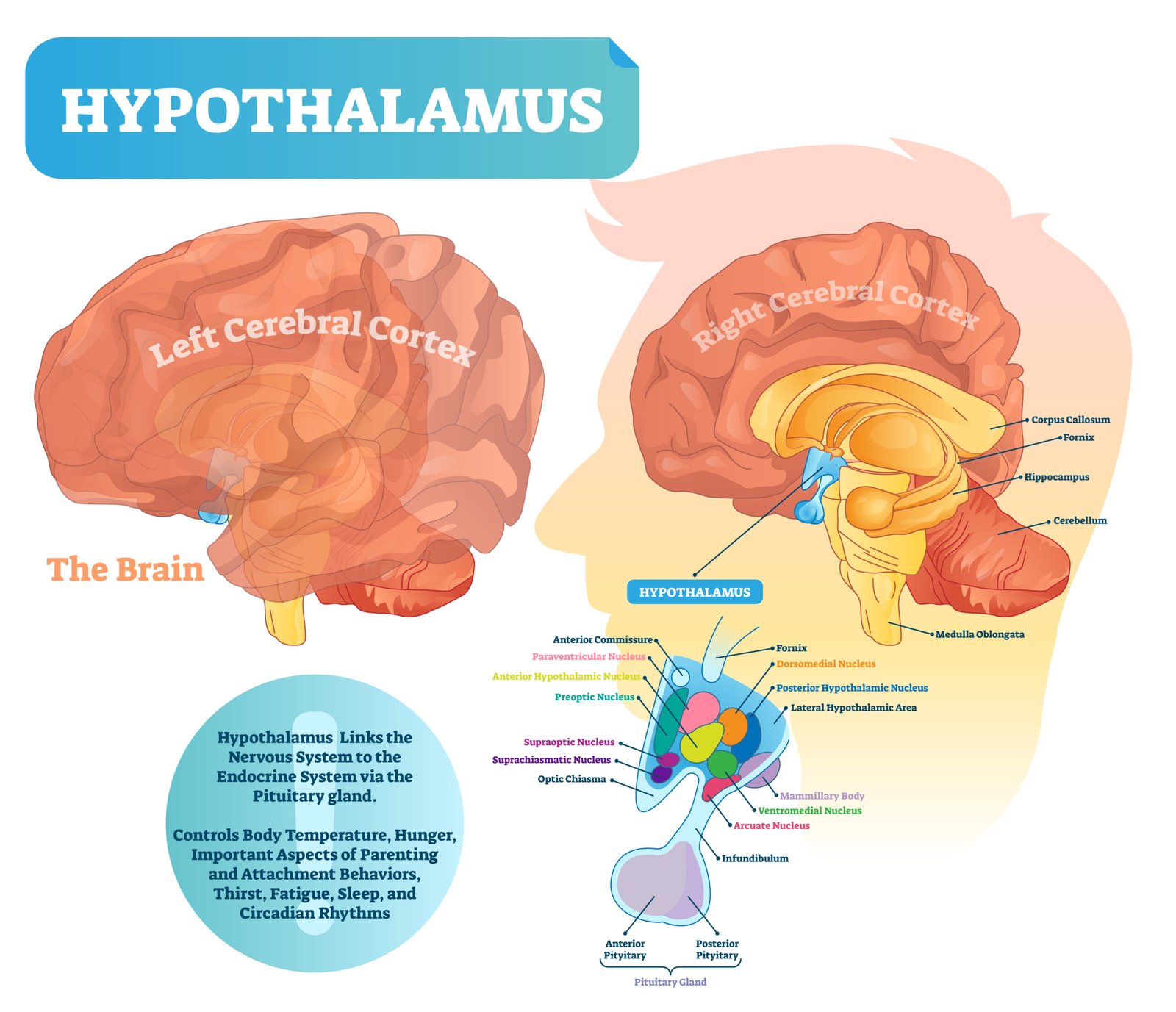
📍 Location: Base of forebrain, below thalamus, above pituitary gland
💡 It acts as the master regulator connecting the nervous and endocrine systems.
🧪 Hormones:
Releasing Hormones (RH): stimulate pituitary
➤ Thyrotropin-RH (TRH)
➤ Gonadotropin-RH (GnRH)
➤ Corticotropin-RH (CRH)
Inhibiting Hormones (IH): suppress pituitary
➤ Growth Hormone-IH (Somatostatin)
⚙️ Function: Controls pituitary gland secretions by releasing or inhibiting hormones.
🧩 Pituitary Gland — “Master Gland”
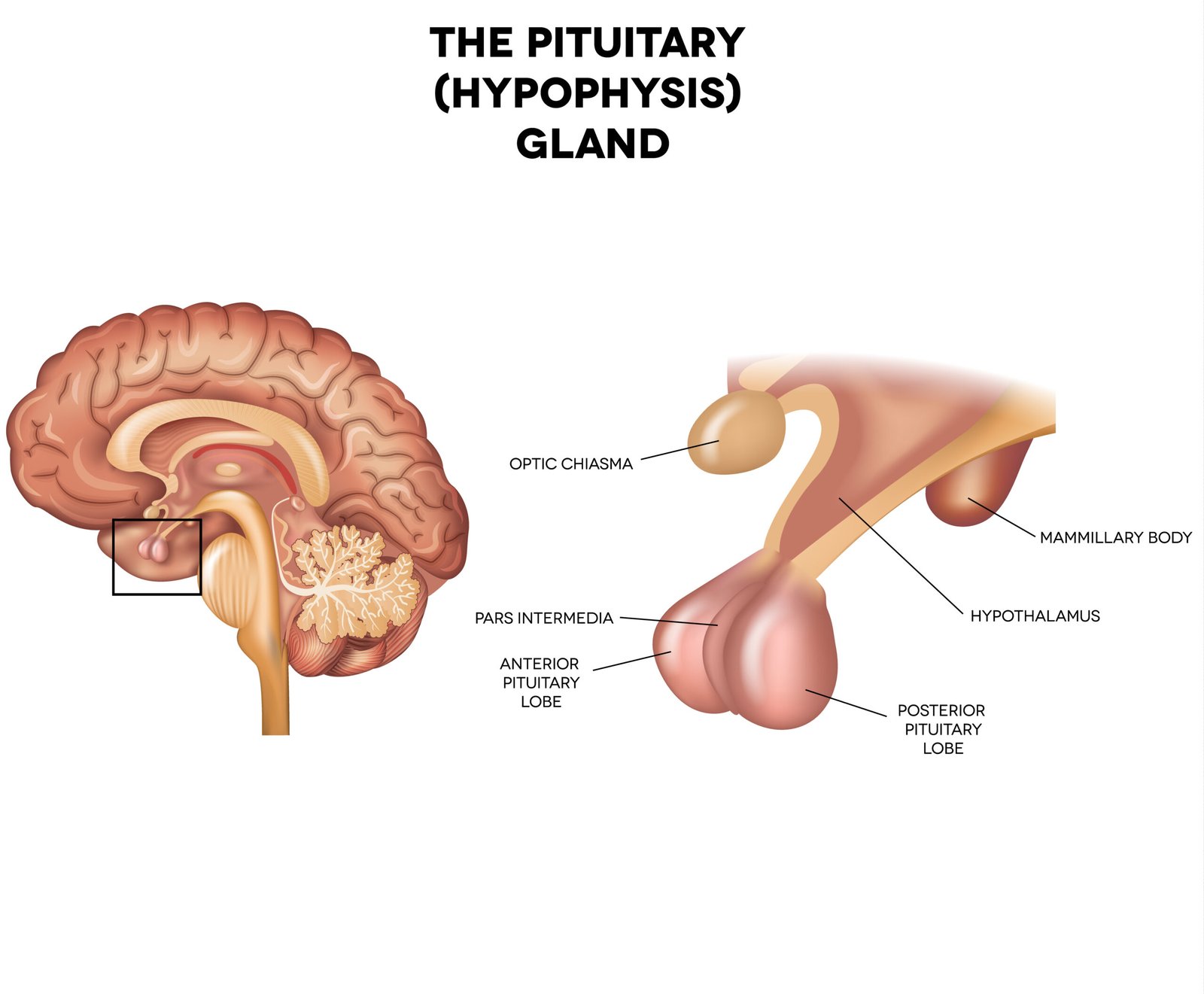
📍 Location: Below hypothalamus in sella turcica of skull
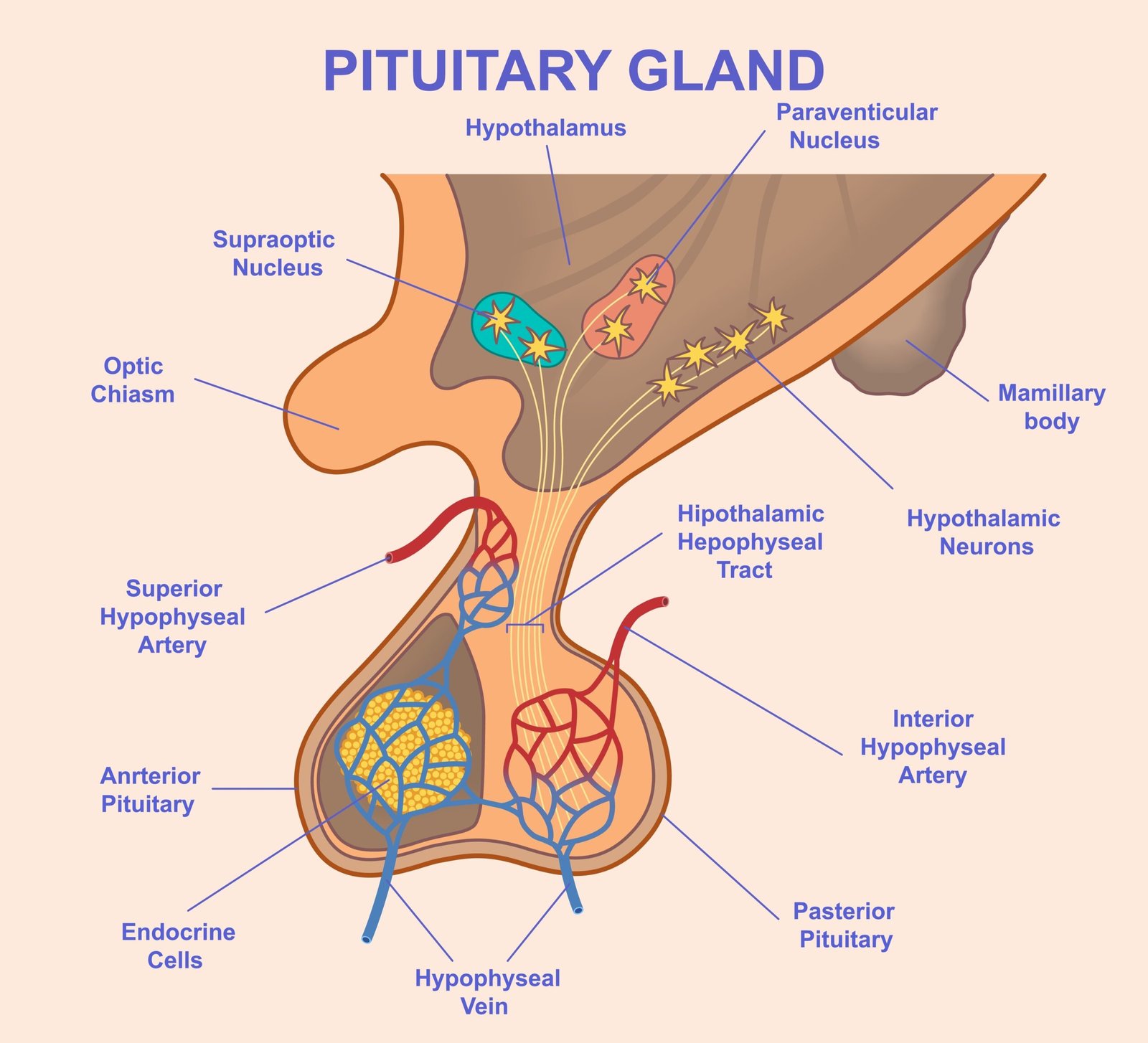
📘 Divisions:
1️⃣ Anterior Pituitary (Adenohypophysis)
2️⃣ Posterior Pituitary (Neurohypophysis)
🧪 Anterior Pituitary Hormones:
🔹 Growth Hormone (GH): stimulates body growth, protein synthesis
🔹 Thyroid Stimulating Hormone (TSH): stimulates thyroid gland
🔹 Adrenocorticotropic Hormone (ACTH): stimulates adrenal cortex
🔹 Follicle Stimulating Hormone (FSH): gamete formation
🔹 Luteinizing Hormone (LH): ovulation, testosterone secretion
🔹 Prolactin (PRL): milk secretion after childbirth
⚠️ Disorders:
GH excess → Gigantism (in childhood), Acromegaly (in adults)
GH deficiency → Dwarfism
🧪 Posterior Pituitary Hormones:
🔹 Oxytocin: uterine contraction, milk ejection
🔹 Vasopressin (ADH): water reabsorption in kidneys
⚠️ Deficiency of ADH → Diabetes insipidus (excess urination)
🌙 Pineal Gland
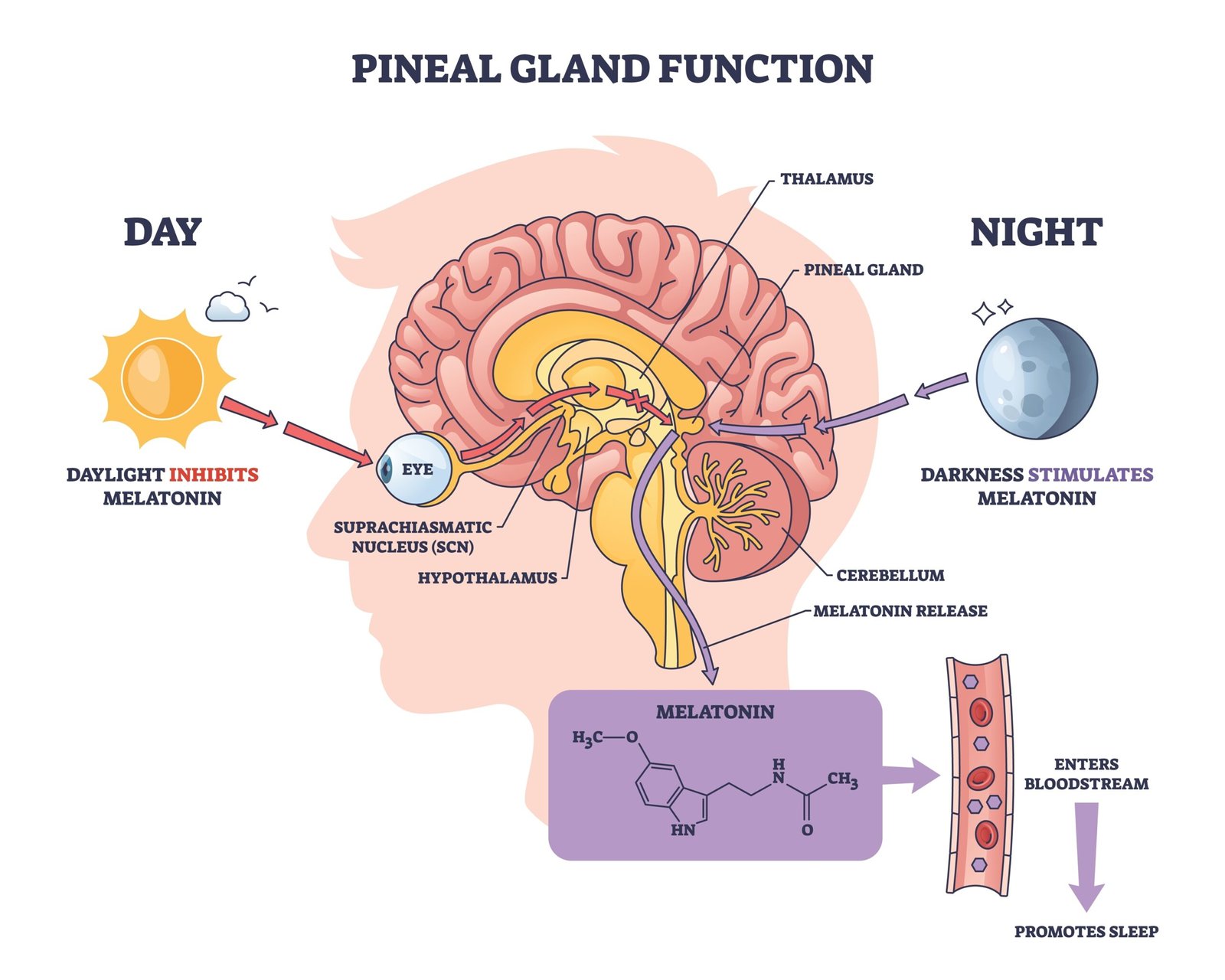
📍 Location: Dorsal part of forebrain
🧪 Hormone: Melatonin
📘 Functions:
Regulates circadian rhythm (sleep–wake cycle)
Influences metabolism and seasonal reproduction
🧠 Thyroid Gland
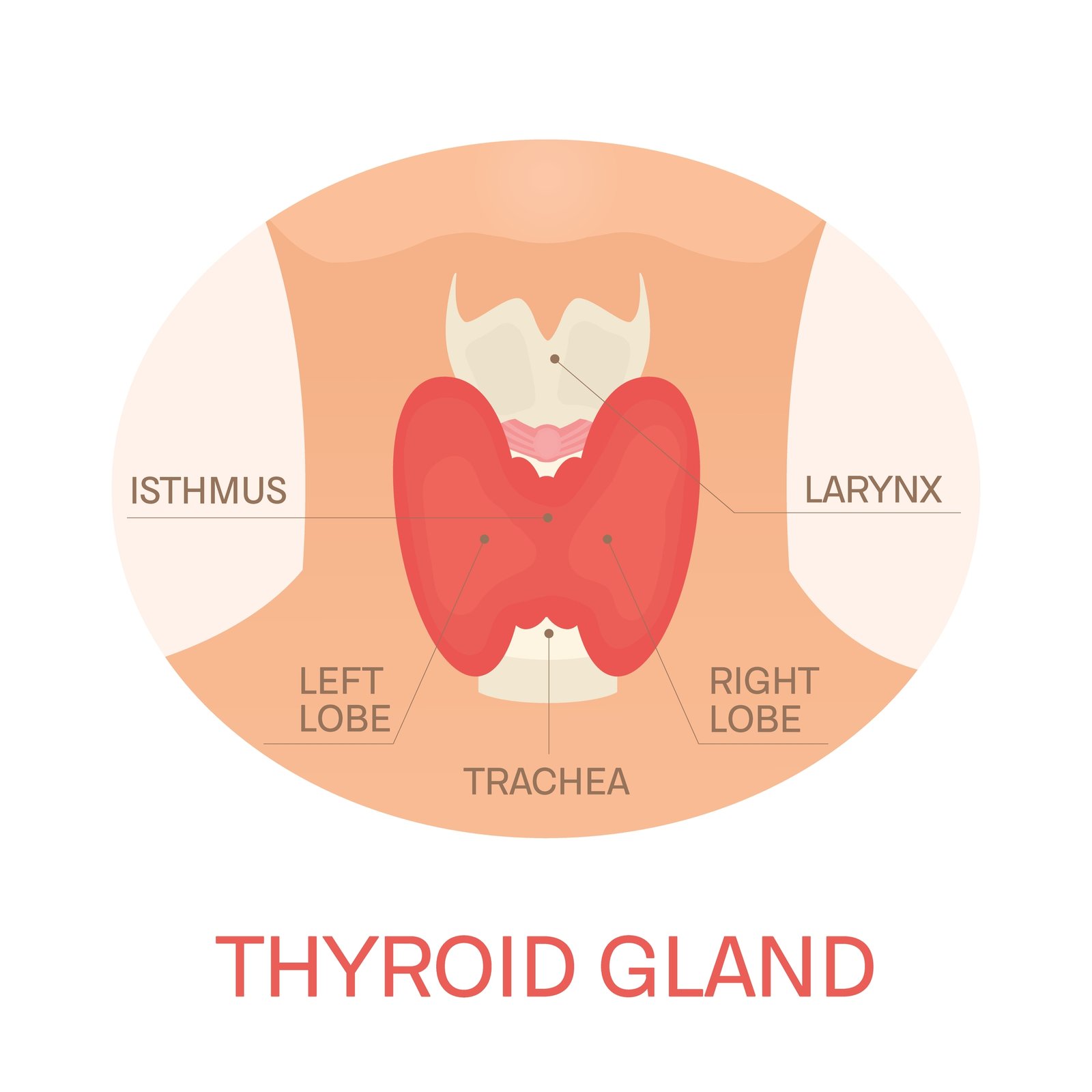
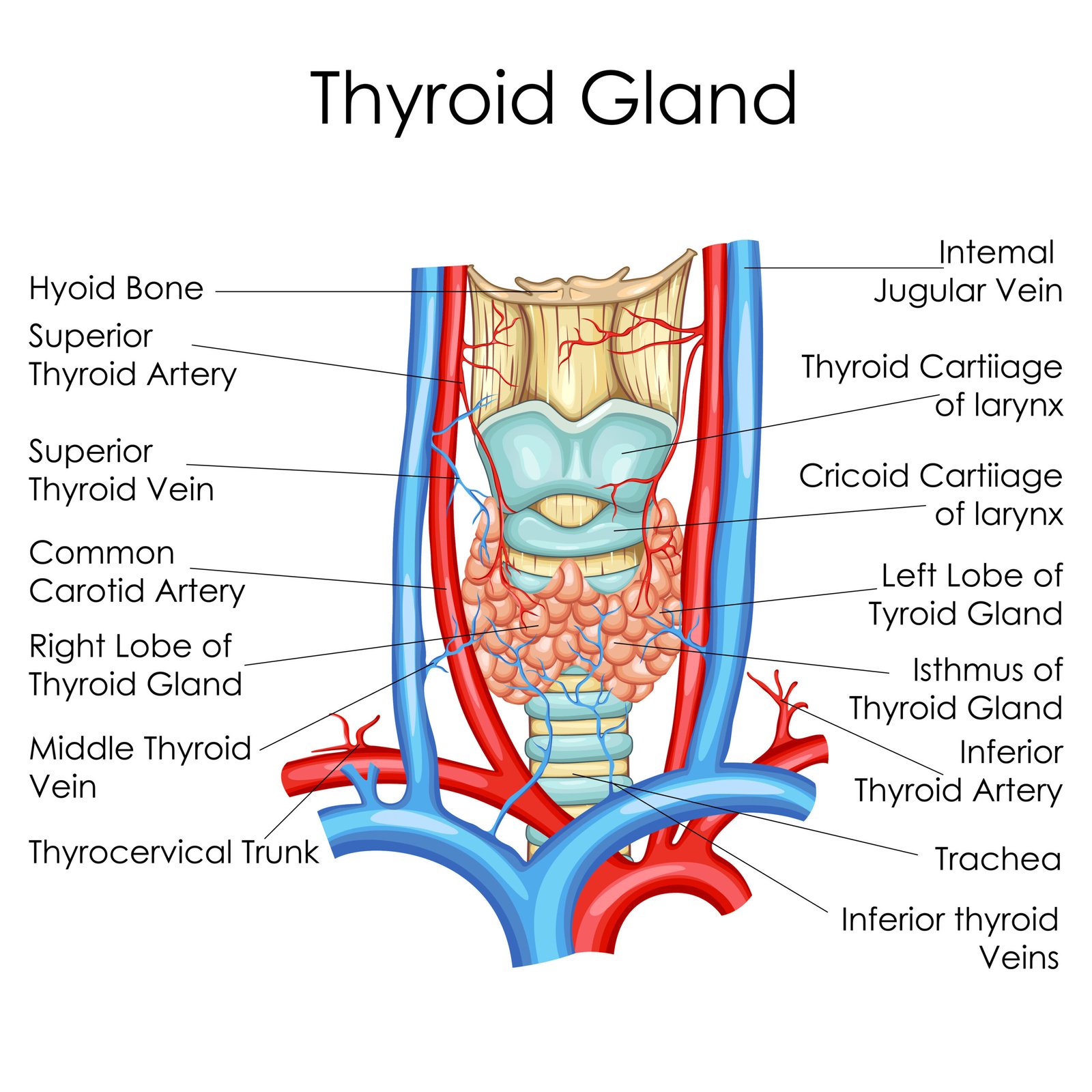
📍 Location: Neck region on either side of trachea
🧪 Hormones:
Thyroxine (T₄)
Triiodothyronine (T₃)
Calcitonin
📘 Functions:
Regulates basal metabolic rate (BMR)
Maintains growth, development, and body temperature
Calcitonin lowers blood calcium
⚠️ Disorders:
Deficiency of iodine → Goitre
Hypothyroidism in children → Cretinism
Hyperthyroidism → Graves’ disease
✏️ Note: Iodine is essential for synthesis of T₃ and T₄.
🧬 Parathyroid Glands
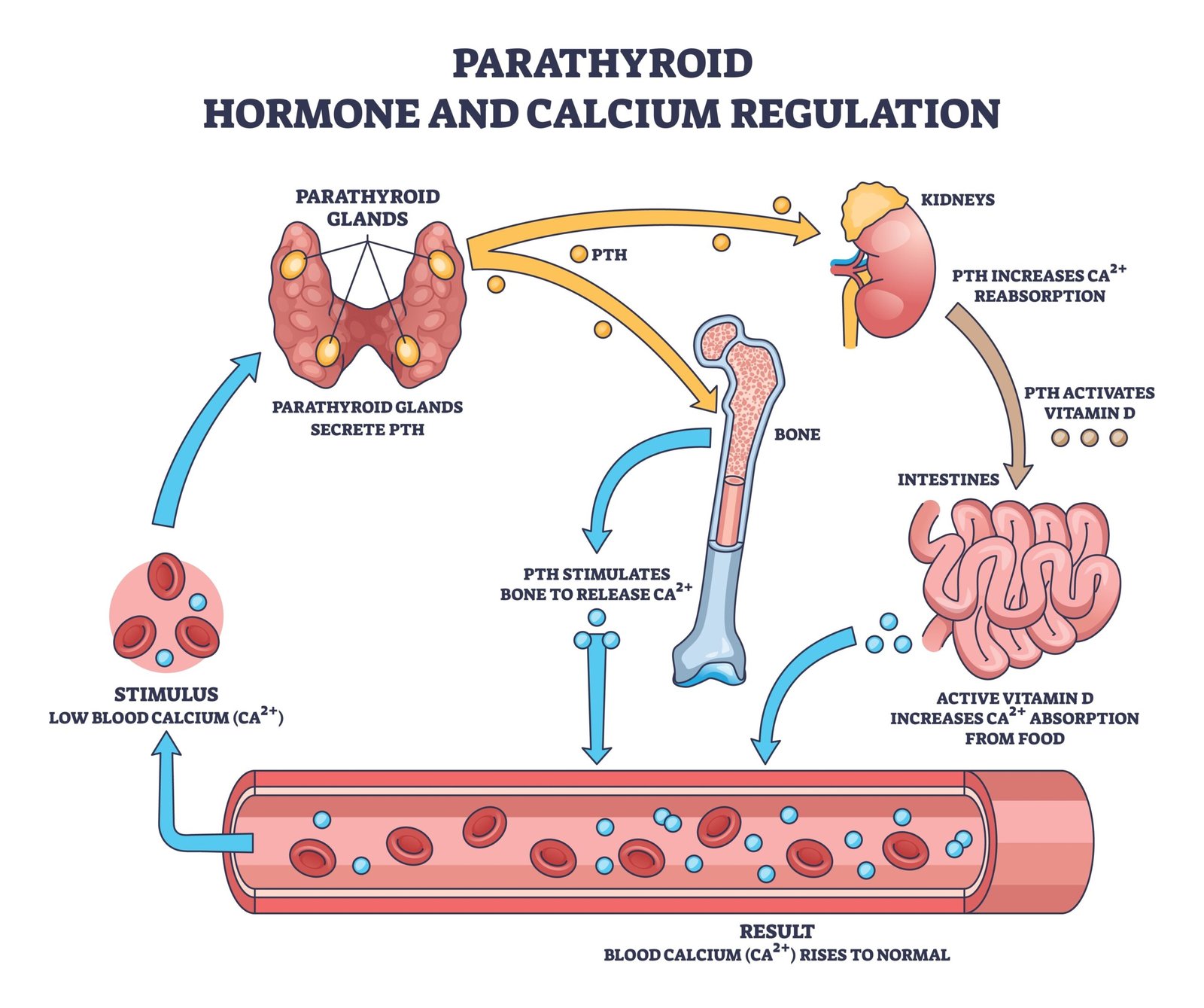
📍 Four small glands behind thyroid
🧪 Hormone: Parathyroid Hormone (PTH)
💡 Functions:
Increases blood calcium level
Stimulates bone resorption
Enhances Ca²⁺ reabsorption in kidneys
Activates vitamin D
⚙️ Antagonistic to calcitonin
🧫 Thymus Gland
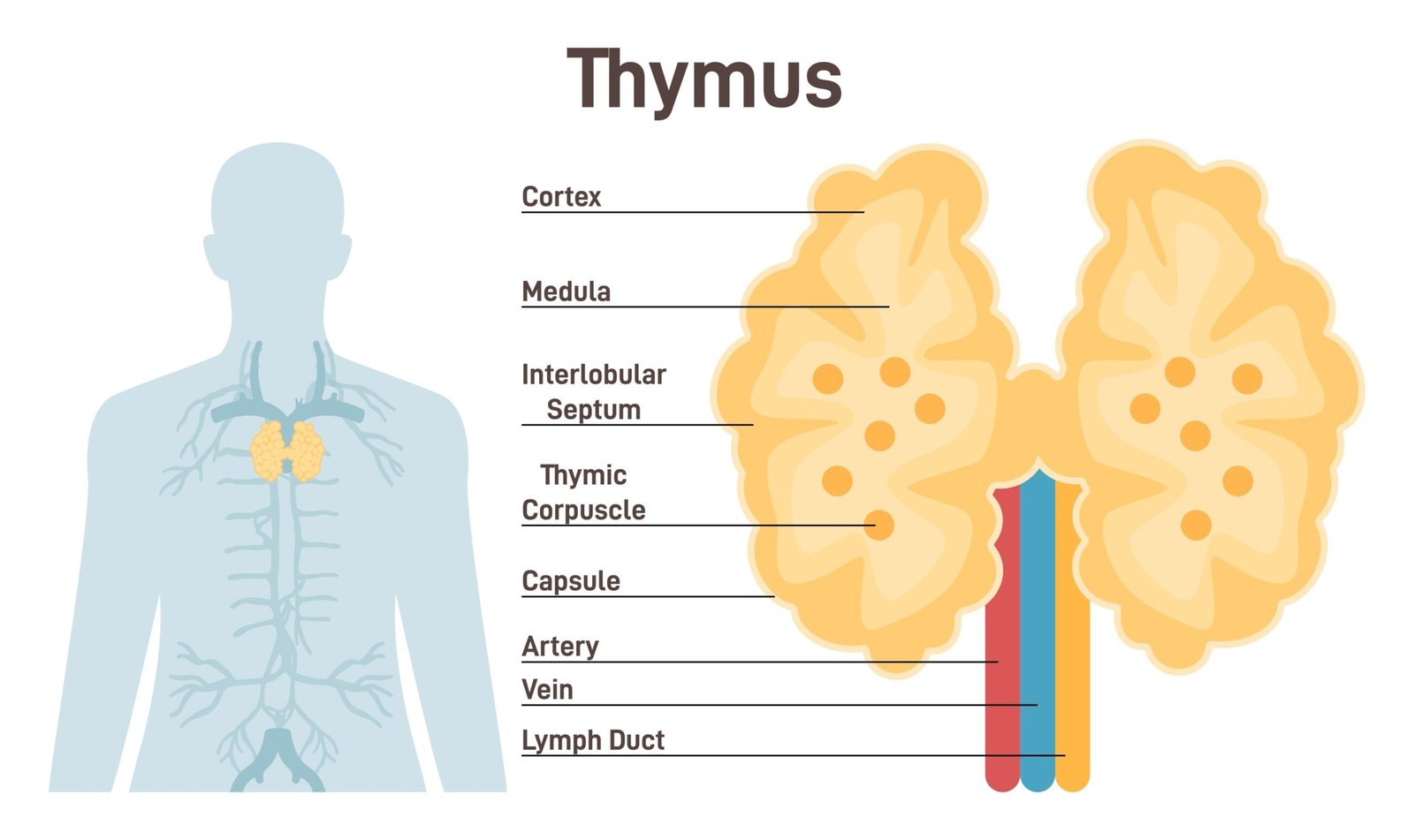
📍 Location: Upper chest, behind sternum
🧪 Hormone: Thymosin
💡 Function: development of T-lymphocytes for immune response
⚠️ Shrinks with age (active in childhood)
⚡ Adrenal Glands
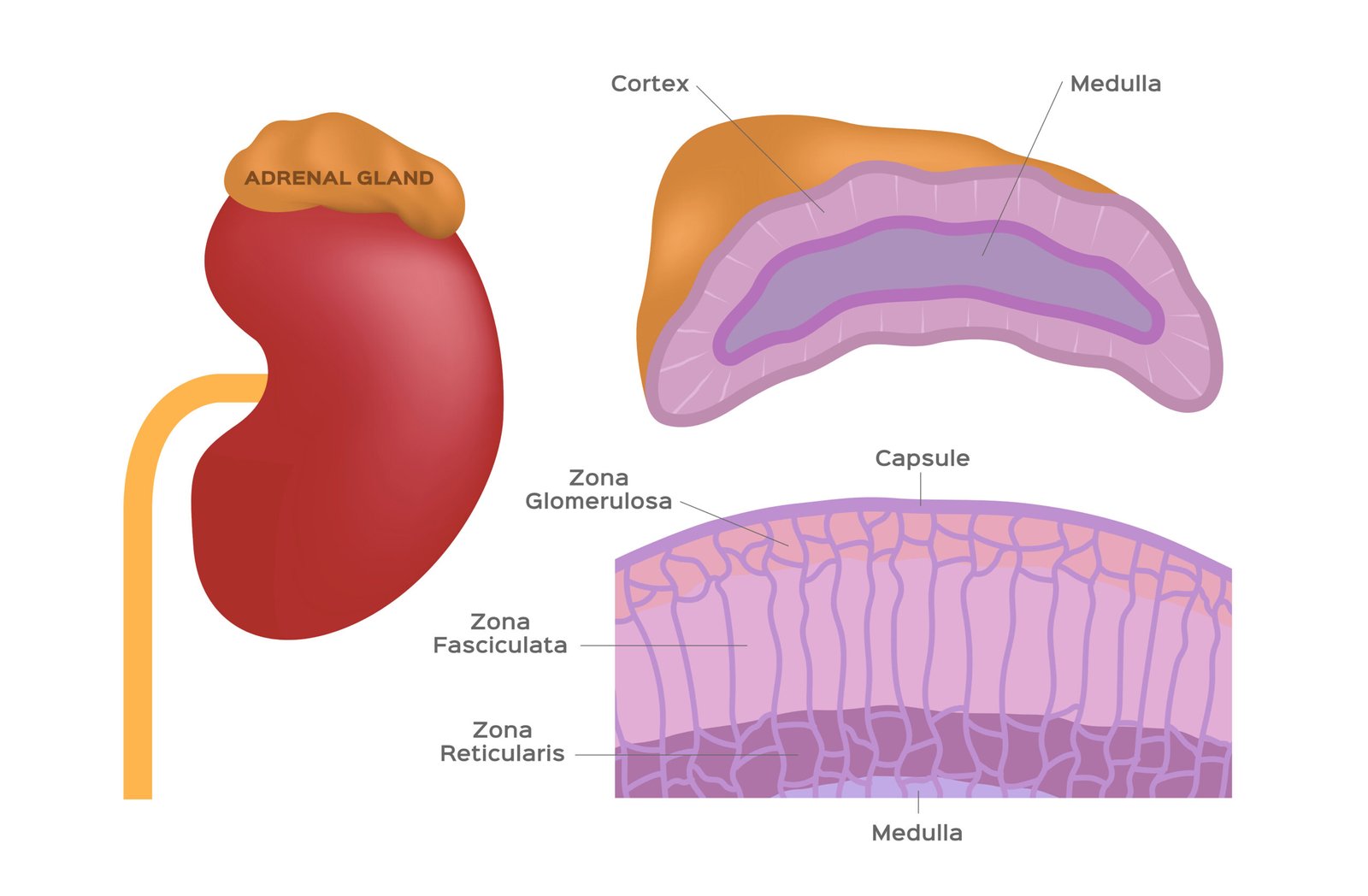
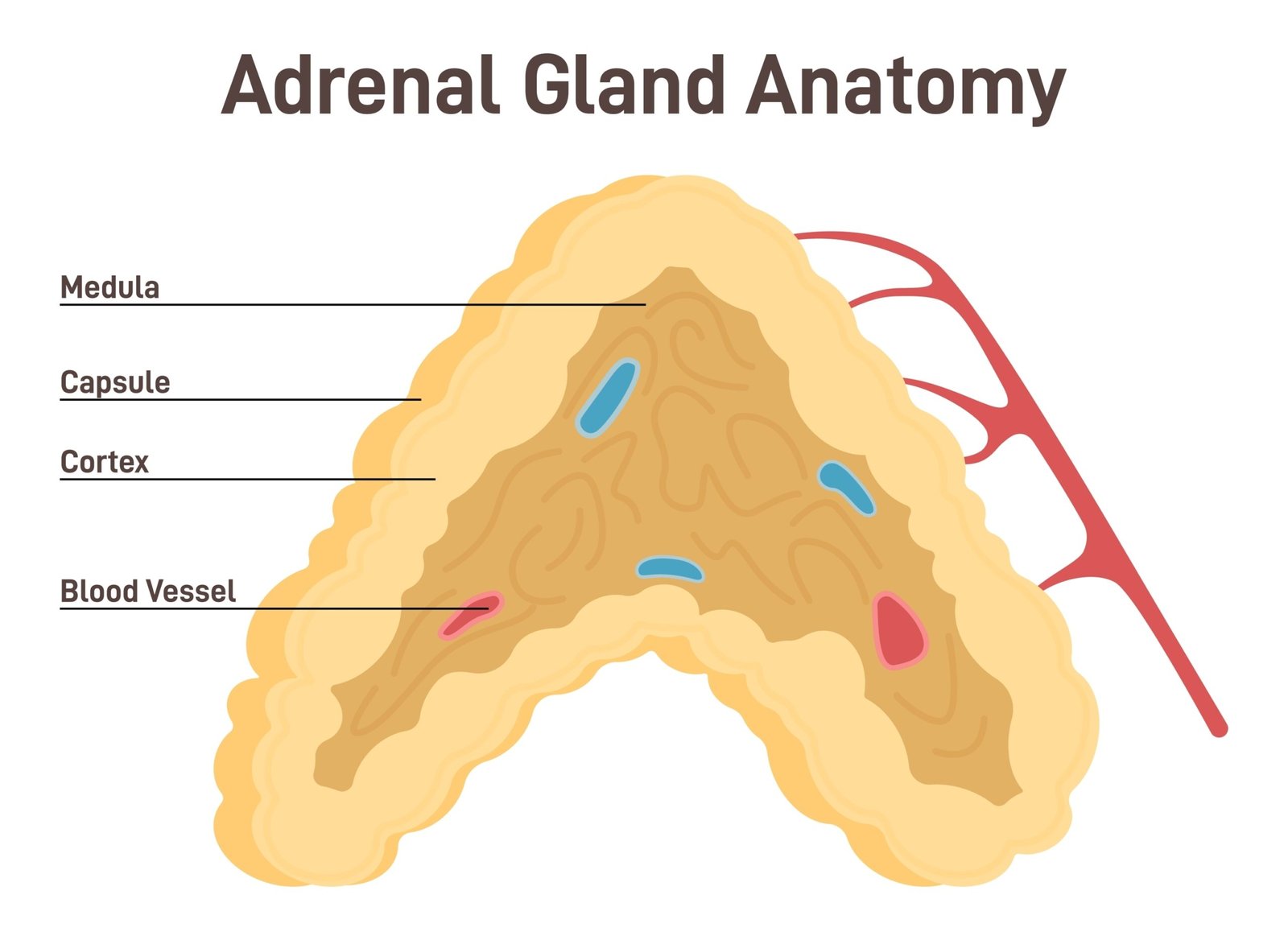
📍 Located above each kidney
🔹 Outer layer: Adrenal cortex
🔹 Inner layer: Adrenal medulla
🧪 Adrenal Cortex Hormones:
1️⃣ Glucocorticoids (Cortisol): regulates metabolism, stress response
2️⃣ Mineralocorticoids (Aldosterone): maintains Na⁺/K⁺ balance
3️⃣ Androgens: weak sex hormones
⚙️ Disorders:
Deficiency: Addison’s disease
Excess: Cushing’s syndrome
⚡ Adrenal Medulla Hormones:
Adrenaline (Epinephrine)
Noradrenaline (Norepinephrine)
💡 Fight or flight response: increases heart rate, BP, glucose level
🧪 Pancreas (Mixed Gland)
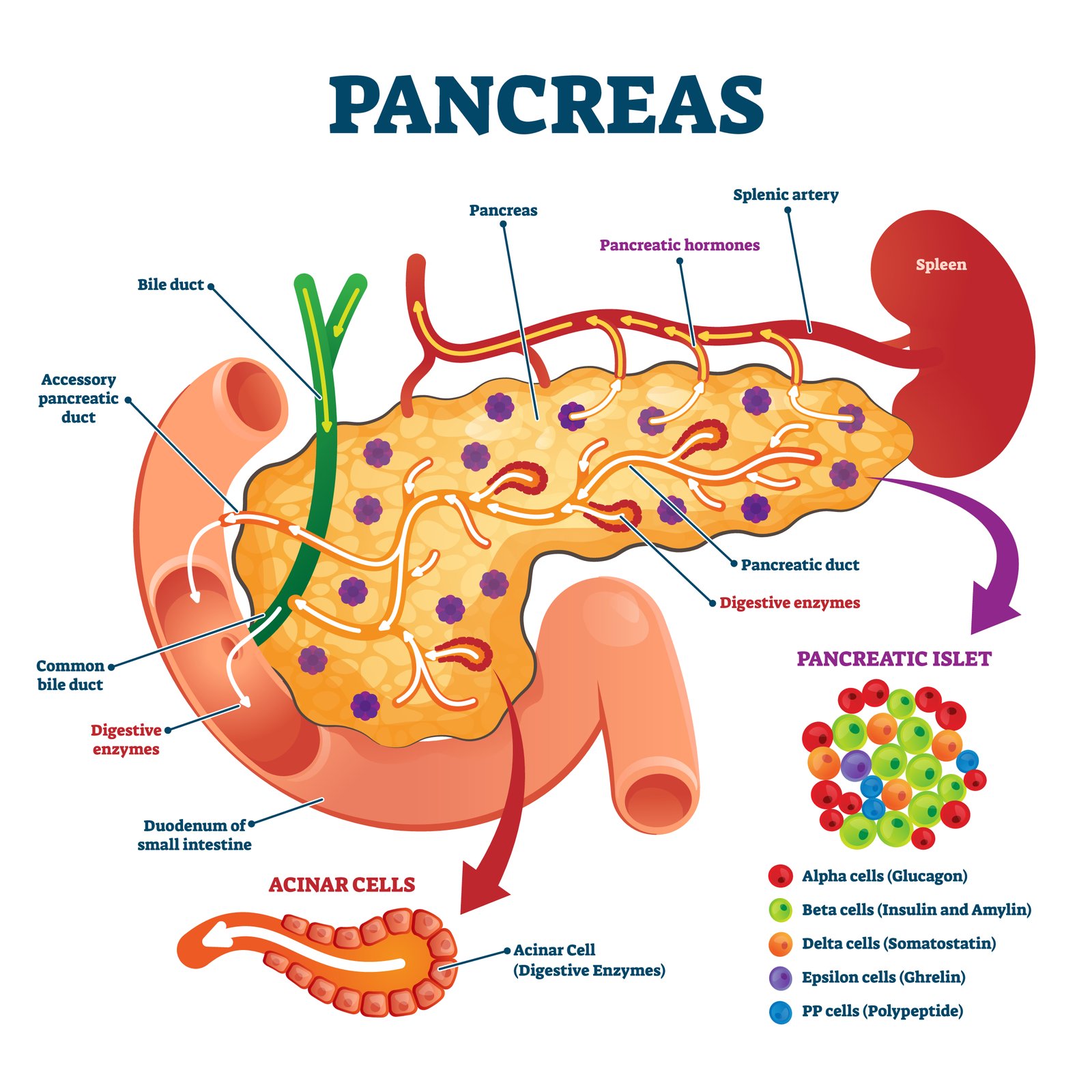
📍 Located behind stomach
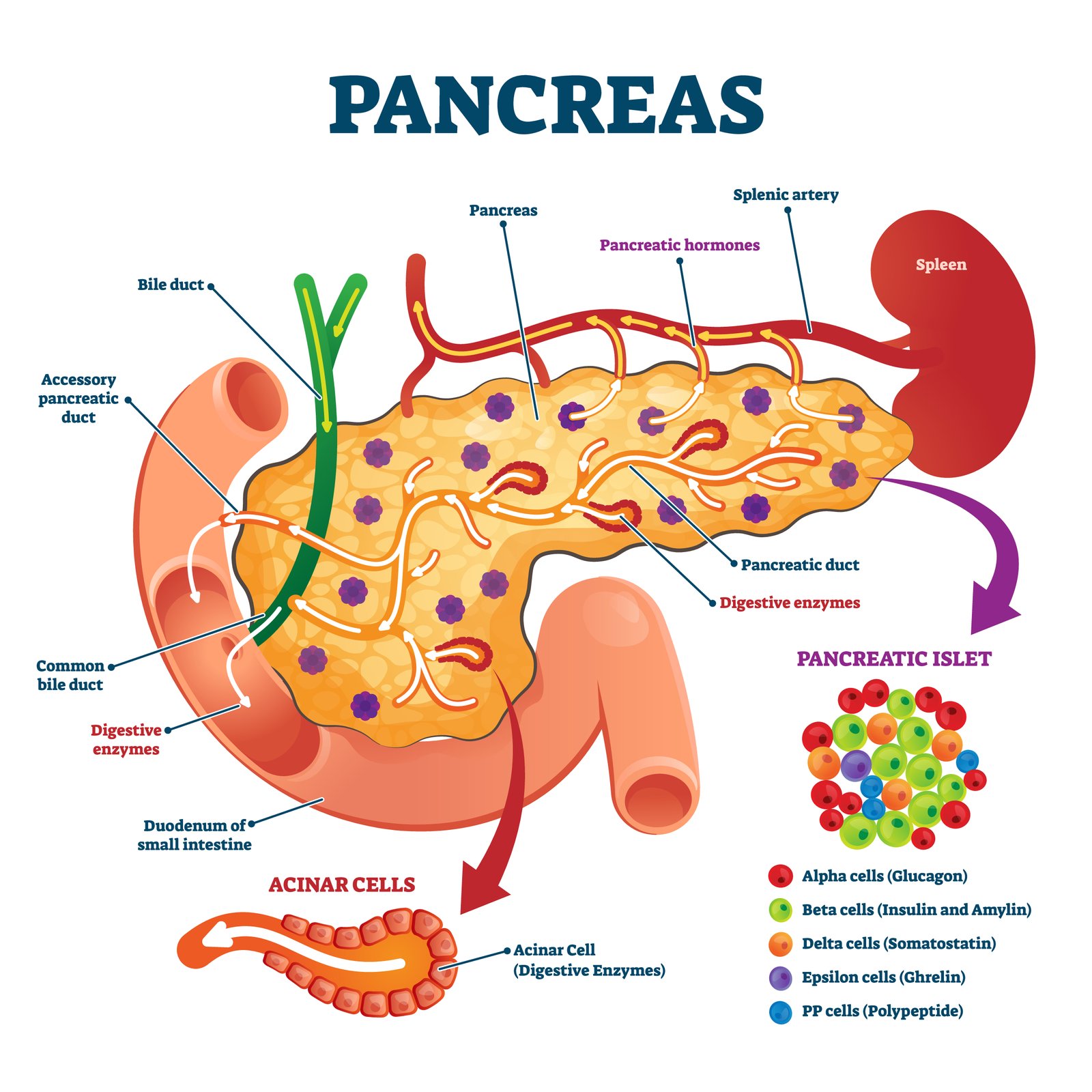
Has exocrine part (digestive enzymes) and endocrine part (Islets of Langerhans)
🧠 Islets of Langerhans contain:
Alpha cells: Glucagon
Beta cells: Insulin
💡 Functions:
Insulin: lowers blood glucose
Glucagon: raises blood glucose
⚠️ Deficiency of insulin → Diabetes mellitus
✏️ Symptoms: hyperglycemia, glycosuria, polyuria, fatigue
🧬 Gonads
🧠 Testes (in males):
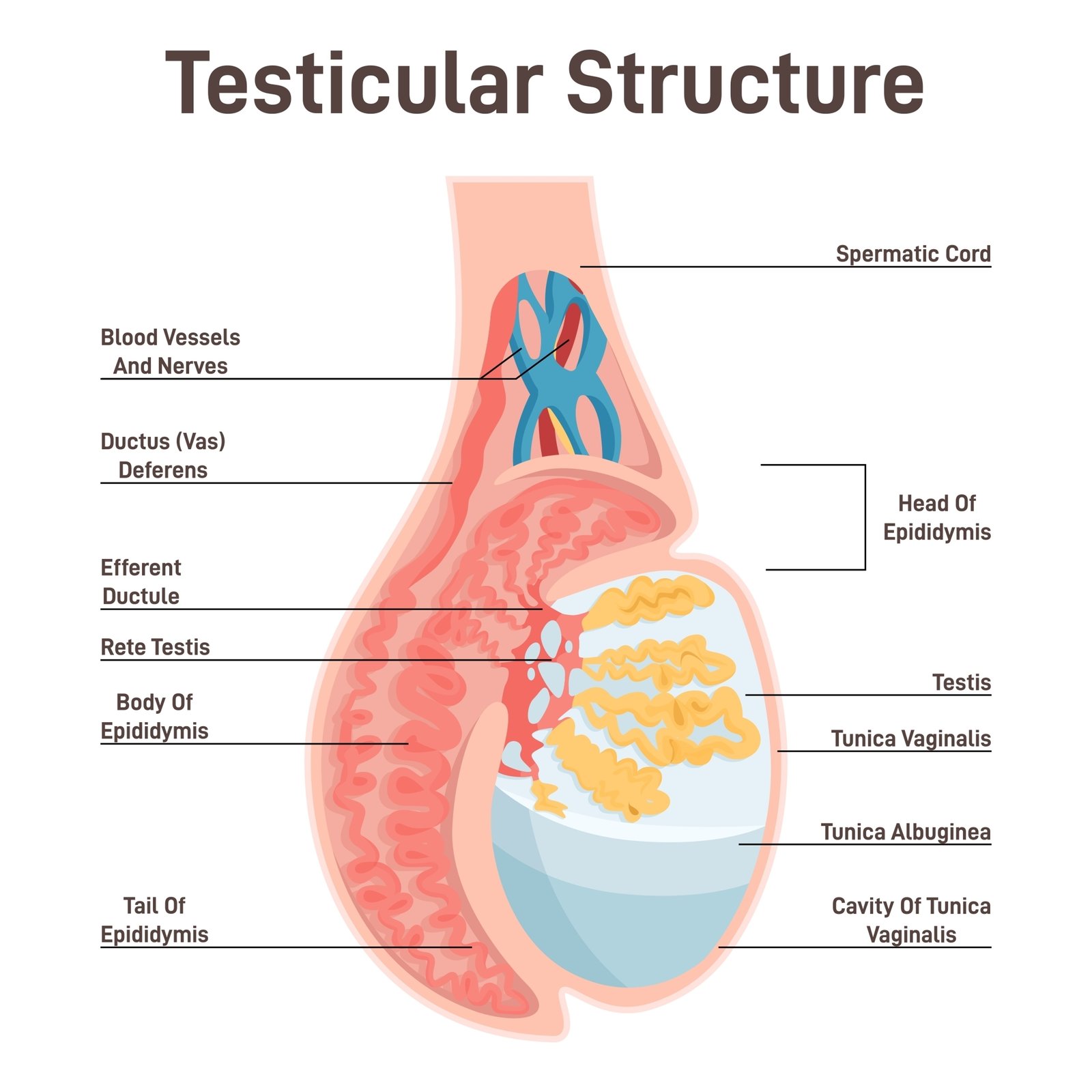
Hormone: Testosterone
Promotes secondary sexual characters, spermatogenesis, muscle growth
🌸 Ovaries (in females):
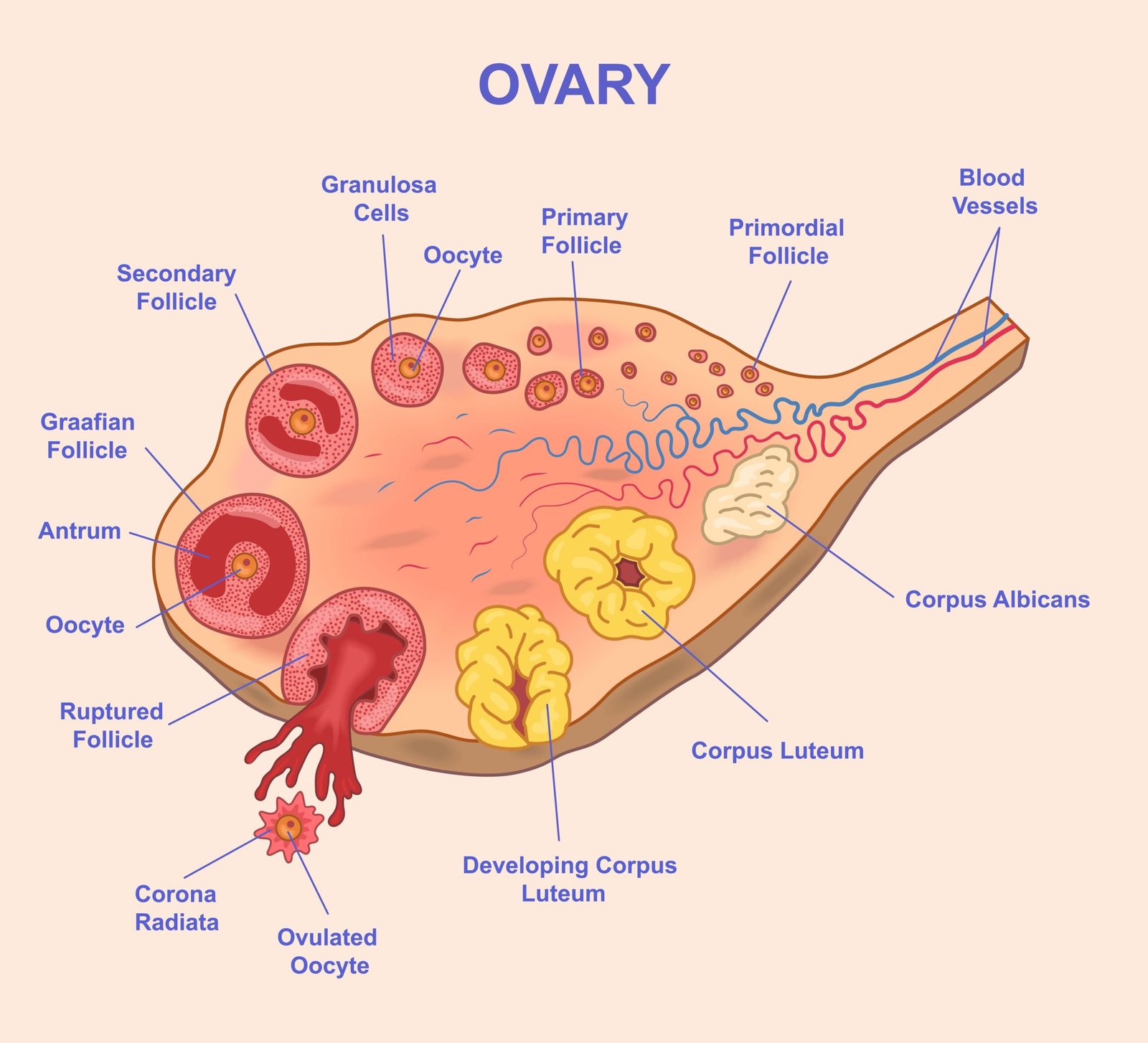
Hormones: Estrogen and Progesterone
Estrogen: development of female characters, ovum maturation
Progesterone: prepares uterus for implantation, maintains pregnancy
🧠 Mechanism of Hormone Action
📘 Hormones act on target cells with specific receptors.
Two types of hormones:
1️⃣ Peptide hormones – water soluble (cannot cross membrane)
2️⃣ Steroid hormones – lipid soluble (cross membrane easily)
💡 Steps in Hormone Action:
Hormone binds receptor
Triggers secondary messenger (e.g., cAMP)
Initiates biochemical changes
Leads to physiological effect
✏️ Example:
Adrenaline → binds receptor → activates cAMP → glycogen breakdown → ↑ glucose
🌿 Feedback Mechanism
🧠 Hormone levels are regulated by feedback loops:
Negative feedback: high hormone → inhibits secretion
Positive feedback: increases secretion
📘 Example:
High T₃/T₄ → inhibits TSH from pituitary (negative feedback)
LH surge during ovulation (positive feedback)
🧠 Coordination Between Nervous and Endocrine System
📘 Hypothalamus is the link
⚙️ Receives neural signals, secretes releasing hormones to control pituitary
💡 Maintains homeostasis through combined neural & hormonal regulation
⚠️ Hormonal Disorders Summary
Disorder Cause Effect
Gigantism GH excess Abnormal height
Dwarfism GH deficiency Short stature
Goitre Iodine deficiency Thyroid enlargement
Cretinism Hypothyroidism in children Mental retardation
Graves’ disease Hyperthyroidism High metabolism
Addison’s Cortisol deficiency Weakness
Cushing’s Cortisol excess Obesity, hypertension
Diabetes mellitus Insulin deficiency Hyperglycemia
🌍 Why This Lesson Matters
🧠 Understanding hormones explains growth, reproduction, metabolism, and stress management.
🌿 It is essential for treating endocrine disorders and designing therapeutic hormones.
⚙️ Builds foundation for medicine, physiology, and biotechnology.
📝 Quick Recap
🧠 Hormones = chemical messengers
🌿 Hypothalamus → releasing/inhibiting hormones
🧩 Pituitary = master gland (GH, TSH, FSH, LH, PRL)
🌸 Thyroid = T₃, T₄, calcitonin
⚡ Adrenal = cortisol, aldosterone, adrenaline
🧪 Pancreas = insulin, glucagon
🧬 Gonads = estrogen, progesterone, testosterone
🌀 Feedback maintains balance
💡 Disorders: Goitre, Diabetes, Cushing’s, Addison’s
📘 Summary
The endocrine system coordinates body functions through hormones secreted by ductless glands. Each hormone acts on specific target organs to regulate growth, metabolism, reproduction, and homeostasis. The hypothalamus links the nervous and endocrine systems via the pituitary gland. Hormones follow feedback mechanisms to maintain equilibrium. Disorders result from excess or deficiency of hormones. This chapter highlights the integration of chemical signals that sustain life and adaptation.
————————————————————————————————————————————————————————————————————————————
QUESTIONS FROM TEXTBOOK
🔵 Question 1:
Define the following:
(a) Exocrine gland
(b) Endocrine gland
(c) Hormone
🟢 Answer:
🌿 (a) Exocrine gland: These glands possess ducts that transport their secretions to the target site such as surface or cavity.
💡 Examples: Salivary gland, sweat gland, and gastric gland.
🧠 (b) Endocrine gland: These are ductless glands which release hormones directly into the bloodstream.
💡 Examples: Pituitary, thyroid, and adrenal glands.
⚡ (c) Hormone: Hormones are non-nutrient chemical messengers secreted in trace amounts by endocrine glands that regulate physiological processes in target tissues.
🔵 Question 2:
Diagrammatically indicate the location of the various endocrine glands in our body.
🟢 Answer:
🌿 The major endocrine glands and their locations are:
✳️ Pituitary gland: Base of the brain below hypothalamus
✳️ Pineal gland: Dorsal part of forebrain
✳️ Thyroid gland: In neck region below larynx
✳️ Parathyroid glands: Four small glands on the posterior surface of the thyroid
✳️ Adrenal glands: On top of each kidney
✳️ Pancreas: Behind the stomach
✳️ Thymus: Behind sternum between lungs
✳️ Gonads: Testes in males, ovaries in females
✳️ Hypothalamus: Lower part of the brain near pituitary
💡 (Draw a labelled diagram showing above glands in the human body)
🔵 Question 3:
List the hormones secreted by the following:
(a) Hypothalamus (b) Pituitary (c) Thyroid (d) Parathyroid (e) Adrenal (f) Pancreas (g) Testis (h) Ovary (i) Thymus (j) Atrium (k) Kidney (l) G-I Tract
🟢 Answer:
🌿 (a) Hypothalamus: Releasing hormones (RH) and inhibiting hormones (IH) like GnRH, TRH, CRH, GHRH, GHIH.
🌿 (b) Pituitary: Growth hormone (GH), Thyroid stimulating hormone (TSH), Adrenocorticotrophic hormone (ACTH), Gonadotrophins (LH, FSH), Prolactin, MSH, Oxytocin, Vasopressin.
🌿 (c) Thyroid: Thyroxine (T₄), Triiodothyronine (T₃), Calcitonin.
🌿 (d) Parathyroid: Parathyroid hormone (PTH).
🌿 (e) Adrenal:
Cortex: Cortisol, Aldosterone, Androgens
Medulla: Adrenaline, Noradrenaline
🌿 (f) Pancreas: Insulin, Glucagon, Somatostatin.
🌿 (g) Testis: Androgens (mainly testosterone).
🌿 (h) Ovary: Estrogens, Progesterone.
🌿 (i) Thymus: Thymosins.
🌿 (j) Atrium: Atrial Natriuretic Factor (ANF).
🌿 (k) Kidney: Erythropoietin, Renin.
🌿 (l) G-I Tract: Gastrin, Secretin, Cholecystokinin (CCK), GIP.
🔵 Question 4:
Fill in the blanks:
Hormones Target gland
(a) Hypothalamic hormones ➡️ Pituitary gland
(b) Thyrotrophin (TSH) ➡️ Thyroid gland
(c) Corticotrophin (ACTH) ➡️ Adrenal cortex
(d) Gonadotrophins (LH, FSH) ➡️ Gonads (testis/ovary)
(e) Melanotrophin (MSH) ➡️ Skin melanocytes
🟢 Answer:
✔️ Filled as above table.
🔵 Question 5:
Write short notes on the functions of the following hormones:
(a) Parathyroid hormone (PTH) (b) Thyroid hormones (c) Thymosins (d) Androgens (e) Estrogens (f) Insulin and Glucagon
🟢 Answer:
🌿 (a) PTH: Increases blood calcium level by stimulating bone resorption, reabsorption of Ca²⁺ by kidneys and activating vitamin D.
🌿 (b) Thyroid hormones (T₃, T₄): Regulate basal metabolic rate, growth, development and metabolism of carbohydrates, fats and proteins.
🌿 (c) Thymosins: Promote differentiation of T-lymphocytes for immune response.
🌿 (d) Androgens: Control development of male secondary sexual characters and spermatogenesis.
🌿 (e) Estrogens: Stimulate growth of female reproductive organs, secondary sexual characters and menstrual cycle.
🌿 (f) Insulin: Lowers blood glucose by promoting glucose uptake.
🌿 Glucagon: Raises blood glucose by promoting glycogenolysis and gluconeogenesis.
🔵 Question 6:
Give example(s) of:
(a) Hyperglycemic hormone and hypoglycemic hormone
(b) Hypercalcemic hormone
(c) Gonadotrophic hormones
(d) Progestational hormone
(e) Blood pressure lowering hormone
(f) Androgens and estrogens
🟢 Answer:
🌿 (a) Glucagon (hyperglycemic), Insulin (hypoglycemic)
🌿 (b) Parathyroid hormone (PTH)
🌿 (c) LH and FSH
🌿 (d) Progesterone
🌿 (e) Atrial natriuretic factor (ANF)
🌿 (f) Testosterone (androgen), Estradiol (estrogen)
🔵 Question 7:
Which hormonal deficiency is responsible for the following:
(a) Diabetes mellitus (b) Goitre (c) Cretinism
🟢 Answer:
🌿 (a) Insulin deficiency → Diabetes mellitus
🌿 (b) Iodine or Thyroxine deficiency → Goitre
🌿 (c) Thyroxine deficiency in infancy → Cretinism
🔵 Question 8:
Briefly mention the mechanism of action of FSH.
🟢 Answer:
💡 FSH binds to specific membrane receptors on target gonadal cells.
⚡ It activates adenyl cyclase enzyme → increases cyclic AMP (cAMP) → acts as secondary messenger.
🧬 cAMP activates protein kinases → stimulates gametogenesis and secretion of gonadal hormones.
🔵 Question 9:
Match the following:
Column I Column II
(a) T₄ (ii) Thyroid
(b) PTH (iv
————————————————————————————————————————————————————————————————————————————
OTHER IMPORTANT QUESTIONS FOR EXAMS
(CBSE MODEL QUESTIONS PAPER)
ESPECIALLY MADE FROM THIS LESSON ONLY
🔴 Question 1:
Which system coordinates and integrates all activities of the body?
🔴1️⃣ Nervous system
🟢2️⃣ Endocrine system
🟡3️⃣ Circulatory system
🔵4️⃣ Excretory system
🟢 Answer: 2️⃣ Endocrine system
🔴 Question 2:
Which gland is called the master gland?
🔴1️⃣ Adrenal gland
🟢2️⃣ Pituitary gland
🟡3️⃣ Thyroid gland
🔵4️⃣ Pancreas
🟢 Answer: 2️⃣ Pituitary gland
🔴 Question 3:
Which hormone regulates the level of calcium in blood?
🔴1️⃣ Thyroxine
🟢2️⃣ Parathormone
🟡3️⃣ Insulin
🔵4️⃣ Adrenaline
🟢 Answer: 2️⃣ Parathormone
🔴 Question 4:
Insulin is secreted by —
🔴1️⃣ Alpha cells of pancreas
🟢2️⃣ Beta cells of pancreas
🟡3️⃣ Delta cells of pancreas
🔵4️⃣ Gamma cells of pancreas
🟢 Answer: 2️⃣ Beta cells of pancreas
🔴 Question 5:
Which hormone controls the basal metabolic rate?
🔴1️⃣ Insulin
🟢2️⃣ Thyroxine
🟡3️⃣ Adrenaline
🔵4️⃣ Cortisol
🟢 Answer: 2️⃣ Thyroxine
🔴 Question 6:
Which gland secretes melatonin?
🔴1️⃣ Pituitary
🟢2️⃣ Pineal
🟡3️⃣ Thyroid
🔵4️⃣ Adrenal
🟢 Answer: 2️⃣ Pineal
🔴 Question 7:
The adrenal medulla secretes —
🔴1️⃣ Adrenaline and noradrenaline
🟢2️⃣ Cortisol and aldosterone
🟡3️⃣ Glucagon and insulin
🔵4️⃣ Thyroxine and calcitonin
🟢 Answer: 1️⃣ Adrenaline and noradrenaline
🔴 Question 8:
Which hormone is called fight or flight hormone?
🔴1️⃣ Thyroxine
🟢2️⃣ Adrenaline
🟡3️⃣ Cortisol
🔵4️⃣ Melatonin
🟢 Answer: 2️⃣ Adrenaline
🔴 Question 9:
Which of the following is both endocrine and exocrine gland?
🔴1️⃣ Adrenal
🟢2️⃣ Pancreas
🟡3️⃣ Thyroid
🔵4️⃣ Pituitary
🟢 Answer: 2️⃣ Pancreas
🔴 Question 10:
Which hormone is secreted by posterior pituitary?
🔴1️⃣ GH and TSH
🟢2️⃣ ADH and Oxytocin
🟡3️⃣ FSH and LH
🔵4️⃣ ACTH and MSH
🟢 Answer: 2️⃣ ADH and Oxytocin
🔴 Question 11:
Define endocrine glands.
🟢 Answer:
Endocrine glands are ductless glands that secrete hormones directly into the bloodstream to regulate body functions.
🔴 Question 12:
What is a hormone?
🟢 Answer:
A hormone is a chemical messenger secreted by endocrine glands that regulates physiological processes like growth, metabolism, and reproduction.
🔴 Question 13:
Explain the difference between endocrine and exocrine glands.
🟢 Answer:
Feature Endocrine Glands Exocrine Glands
Ducts Ductless Have ducts
Secretion Hormones into blood Enzymes or other substances into specific site
Example Pituitary, thyroid Salivary, sweat glands
💡 Endocrine glands form part of the endocrine system; exocrine glands are part of other organ systems.
🔴 Question 14:
Describe the structure and hormones of the pituitary gland.
🟢 Answer:
Parts:
1️⃣ Anterior lobe (Adenohypophysis): Secretes GH, TSH, ACTH, FSH, LH, Prolactin.
2️⃣ Posterior lobe (Neurohypophysis): Stores and releases ADH and Oxytocin.
Function: Regulates other endocrine glands; controls growth and metabolism.
💡 Called the master gland.
🔴 Question 15:
Mention the functions of thyroid gland hormones.
🟢 Answer:
Hormones:
1️⃣ Thyroxine (T₄) and Triiodothyronine (T₃).
Functions:
✔️ Regulate basal metabolic rate (BMR).
✔️ Control growth and development.
✔️ Maintain calcium balance (via calcitonin).
💡 Deficiency: Goitre, cretinism; Excess: Exophthalmic goitre.
🔴 Question 16:
Write the functions of parathyroid glands.
🟢 Answer:
Secrete Parathormone (PTH).
Functions:
1️⃣ Increases blood calcium by acting on bones, kidney, intestine.
2️⃣ Promotes reabsorption of Ca²⁺ in kidney.
3️⃣ Stimulates osteoclasts to release Ca²⁺ from bones.
💡 Works antagonistically to calcitonin.
🔴 Question 17:
Describe the structure and hormones of adrenal gland.
🟢 Answer:
Structure:
1️⃣ Adrenal cortex (outer): secretes cortisol, aldosterone, sex corticoids.
2️⃣ Adrenal medulla (inner): secretes adrenaline & noradrenaline.
Functions:
✔️ Cortisol – carbohydrate metabolism.
✔️ Aldosterone – water-salt balance.
✔️ Adrenaline – fight or flight response.
🔴 Question 18:
Explain the endocrine role of pancreas.
🟢 Answer:
Islets of Langerhans contain:
1️⃣ Alpha cells: Glucagon → increases blood sugar.
2️⃣ Beta cells: Insulin → lowers blood sugar.
Together, maintain glucose homeostasis.
💡 Deficiency of insulin causes Diabetes mellitus.
🔴 Question 19:
Write the functions of gonadal hormones.
🟢 Answer:
Testes:
– Secretes Testosterone.
– Functions: spermatogenesis, male secondary sexual characters.
Ovaries:
– Secrete Estrogen and Progesterone.
– Regulate menstrual cycle, pregnancy, female characters.
🔴 Question 20:
Describe the functions of pineal gland.
🟢 Answer:
Secretes Melatonin.
Functions:
1️⃣ Regulates sleep-wake cycle (circadian rhythm).
2️⃣ Influences reproductive cycle.
3️⃣ Acts as antioxidant.
🔴 Question 21:
Write the functions of thymus gland.
🟢 Answer:
Secretes Thymosin hormone.
Functions:
✔️ Promotes development of T-lymphocytes.
✔️ Strengthens immune system in childhood.
✔️ Degenerates after puberty.
🔴 Question 22:
Explain the hormonal control of blood sugar level.
🟢 Answer:
Insulin (from β-cells): ↓ Blood sugar → converts glucose → glycogen.
Glucagon (from α-cells): ↑ Blood sugar → converts glycogen → glucose.
Together, maintain homeostasis of glucose.
💡 Imbalance causes diabetes or hypoglycemia.
🔴 Question 23:
Explain the role and functions of pituitary gland in human body.
🟢 Answer:
Pituitary gland — small pea-sized gland at base of brain, called master gland.
Divisions:
1️⃣ Anterior Pituitary (Adenohypophysis):
✔️ GH – growth of bones & muscles.
✔️ TSH – stimulates thyroid.
✔️ ACTH – stimulates adrenal cortex.
✔️ FSH & LH – control gonads.
✔️ Prolactin – milk secretion.
2️⃣ Posterior Pituitary (Neurohypophysis):
✔️ ADH – reabsorption of water in kidneys.
✔️ Oxytocin – uterine contraction, milk ejection.
💡 Controls all other endocrine glands — hence “master gland.”
🔴 Question 24:
Describe the structure, hormones, and functions of thyroid gland.
🟢 Answer:
Location: Front of neck; two lobes connected by isthmus.
Hormones: Thyroxine (T₄), Triiodothyronine (T₃), Calcitonin.
Functions:
1️⃣ Regulate basal metabolic rate (BMR).
2️⃣ Control growth and development.
3️⃣ Calcitonin reduces blood calcium.
Disorders:
– Hypothyroidism → Cretinism (child), Myxedema (adult).
– Hyperthyroidism → Exophthalmic goitre.
💡 Requires iodine for hormone synthesis.
🔴 Question 25:
Explain the structure and functions of adrenal gland.
🟢 Answer:
Location: On top of each kidney.
Structure:
1️⃣ Adrenal Cortex (outer):
– Mineralocorticoids (Aldosterone): salt–water balance.
– Glucocorticoids (Cortisol): carbohydrate metabolism.
– Sex Corticoids: secondary sexual characters.
2️⃣ Adrenal Medulla (inner):
– Adrenaline, Noradrenaline → fight or flight.
Functions:
✔️ Maintain metabolism and stress response.
✔️ Regulate BP and electrolytes.
🔴 Question 26:
Describe the feedback mechanism of hormone regulation with example.
🟢 Answer:
Feedback mechanism — regulates hormone secretion based on need.
Types:
1️⃣ Negative feedback:
– ↑ Thyroxine → inhibits TSH → maintains balance.
2️⃣ Positive feedback:
– ↑ Oxytocin during childbirth → increases uterine contraction → more oxytocin.
💡 Maintains homeostasis by self-regulation.
🔴 Question 27:
Explain the role of pancreas in glucose homeostasis.
🟢 Answer:
Endocrine part: Islets of Langerhans.
– α-cells: secrete Glucagon → ↑ blood sugar.
– β-cells: secrete Insulin → ↓ blood sugar.
Mechanism:
– High sugar → insulin secretion → glucose → glycogen (liver).
– Low sugar → glucagon secretion → glycogen → glucose.
💡 Maintains normal blood glucose level (≈ 90 mg/dL).
🔴 Question 28:
Differentiate between diabetes mellitus and diabetes insipidus.
🟢 Answer:
Feature Diabetes Mellitus Diabetes Insipidus
Cause Insulin deficiency ADH deficiency
Effect High blood sugar Excess water loss
Urine Sugary Dilute, large volume
Treatment Insulin therapy ADH administration
💡 Both involve excess urination, but different hormones.
🔴 Question 29:
Explain hormonal regulation of female reproductive cycle.
🟢 Answer:
Hormones: FSH, LH (pituitary); Estrogen, Progesterone (ovary).
Phases:
1️⃣ Follicular: FSH → follicle growth → estrogen ↑ → uterine wall thickens.
2️⃣ Ovulatory: LH surge → ovulation.
3️⃣ Luteal: Corpus luteum → progesterone → maintains endometrium.
4️⃣ If no fertilization: Hormones ↓ → menstruation.
💡 Hormones coordinate ovarian and uterine cycles.
🔴 Question 30:
Write a short note on hypothalamus and its role in endocrine control.
🟢 Answer:
Location: Below thalamus; part of forebrain.
Functions:
1️⃣ Produces releasing and inhibiting hormones (RH/IH) for pituitary.
2️⃣ Controls secretion of GH, TSH, ACTH, FSH, LH, etc.
3️⃣ Regulates temperature, hunger, thirst, sleep.
💡 Acts as link between nervous and endocrine systems.
————————————————————————————————————————————————————————————————————————————