
Class 8 : Science – ( English ) : Lesson 1. Exploring the Investigative World of Science

EXPLANATION AND ANALYSIS
🧭 Science is not only about knowing answers; it is about learning how to find answers.
The investigative world of science focuses on curiosity, questioning, observation, experimentation, and reasoning. Science grows when humans actively explore nature instead of accepting ideas blindly.
🧠 Every scientific discovery begins with a question.
Why does something happen?
How does it work?
What will change if conditions change?
🔍 These questions guide scientific investigation and turn curiosity into knowledge.
🧪 Scientific investigation is a systematic way of understanding the natural world.
It involves observing phenomena 👀, identifying problems ❓, and finding explanations using evidence ⚖️.
🧠 Scientists do not guess randomly.
They follow logical steps to reach conclusions that can be tested and verified.
🧭 The first step in investigation is observation.
Observation means carefully watching events, objects, or changes using senses or tools.
👁️ Seeing
👂 Hearing
✋ Touching
👃 Smelling
🧠 Observations help scientists notice patterns and differences.
🔍 After observation comes questioning.
Questions help narrow down what needs to be studied.
🧠 A good scientific question is clear, focused, and testable.
🧪 The next step is forming a hypothesis.
A hypothesis is a possible explanation based on previous knowledge.
🧠 It is not a final answer.
It is an idea that must be tested 🔬.
🧭 Experimentation is the heart of scientific investigation.
Experiments are planned tests carried out under controlled conditions.
🧪 Scientists change only one factor at a time.
Other conditions are kept constant ⚖️.
🧠 This helps identify the real cause of change.
📊 During experiments, scientists collect data.
Data can be numbers 📈, observations 📝, or measurements 📏.
🧠 Accurate data collection is essential for reliable results.
🔍 After collecting data, scientists analyze it carefully.
They compare results 🔄.
They look for patterns 🧩.
They check whether the hypothesis is supported.
🧠 Analysis turns raw data into meaningful conclusions.
🧭 Conclusion is drawn after analysis.
It explains whether the hypothesis was correct or not.
🧠 Even if the hypothesis is wrong, it is useful.
It helps improve understanding and design better experiments.
📜 Scientific investigation does not stop at conclusions.
Results are shared with others through reports 📄, discussions 🗣️, and publications 📚.
🧠 Sharing allows verification and improvement of ideas.
🧭 Scientific tools play an important role in investigation.
Microscopes 🔬 reveal tiny organisms 🦠.
Thermometers 🌡️ measure temperature.
Balances ⚖️ measure mass.
🧠 Tools improve accuracy and reduce human error.
🌍 Investigation helps us understand natural phenomena.
Weather changes 🌦️
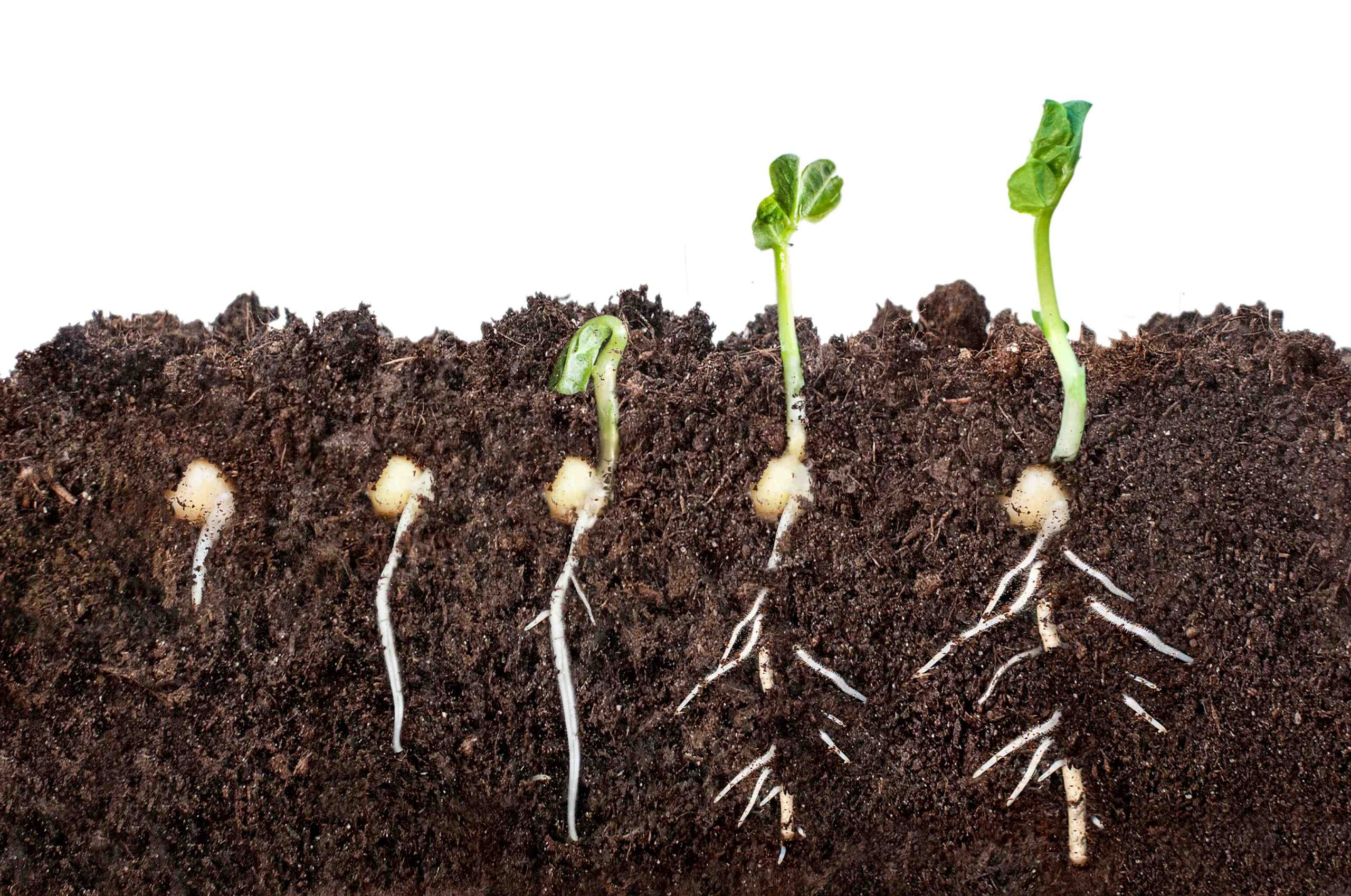
Plant growth 🌱
Motion 🚶
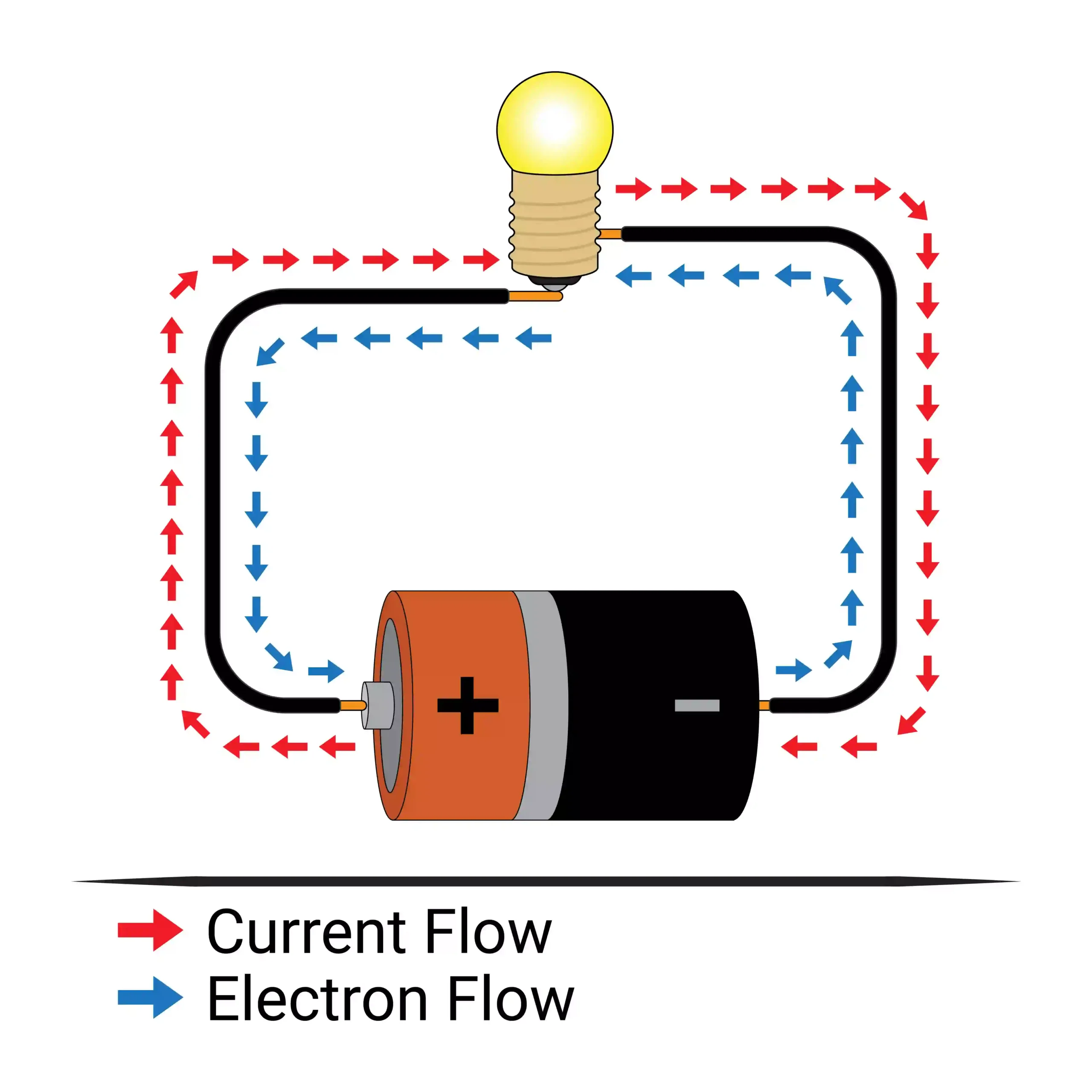
Electricity ⚡
🧠 It explains why events occur and how they are connected.
🧭 Scientific investigation encourages critical thinking.
It teaches students to question information ❓.
It promotes logical reasoning 🧠.
It discourages blind belief 🚫.
🧠 This skill is useful beyond science.
🧪 Investigation also follows ethical practices.
Experiments should be safe ⚠️.
Living beings must be treated carefully 🐾.
Results must be honest ✔️.
🧠 Ethics make science trustworthy.
🌱 Scientific investigation helps solve real-life problems.
Health care 🩺
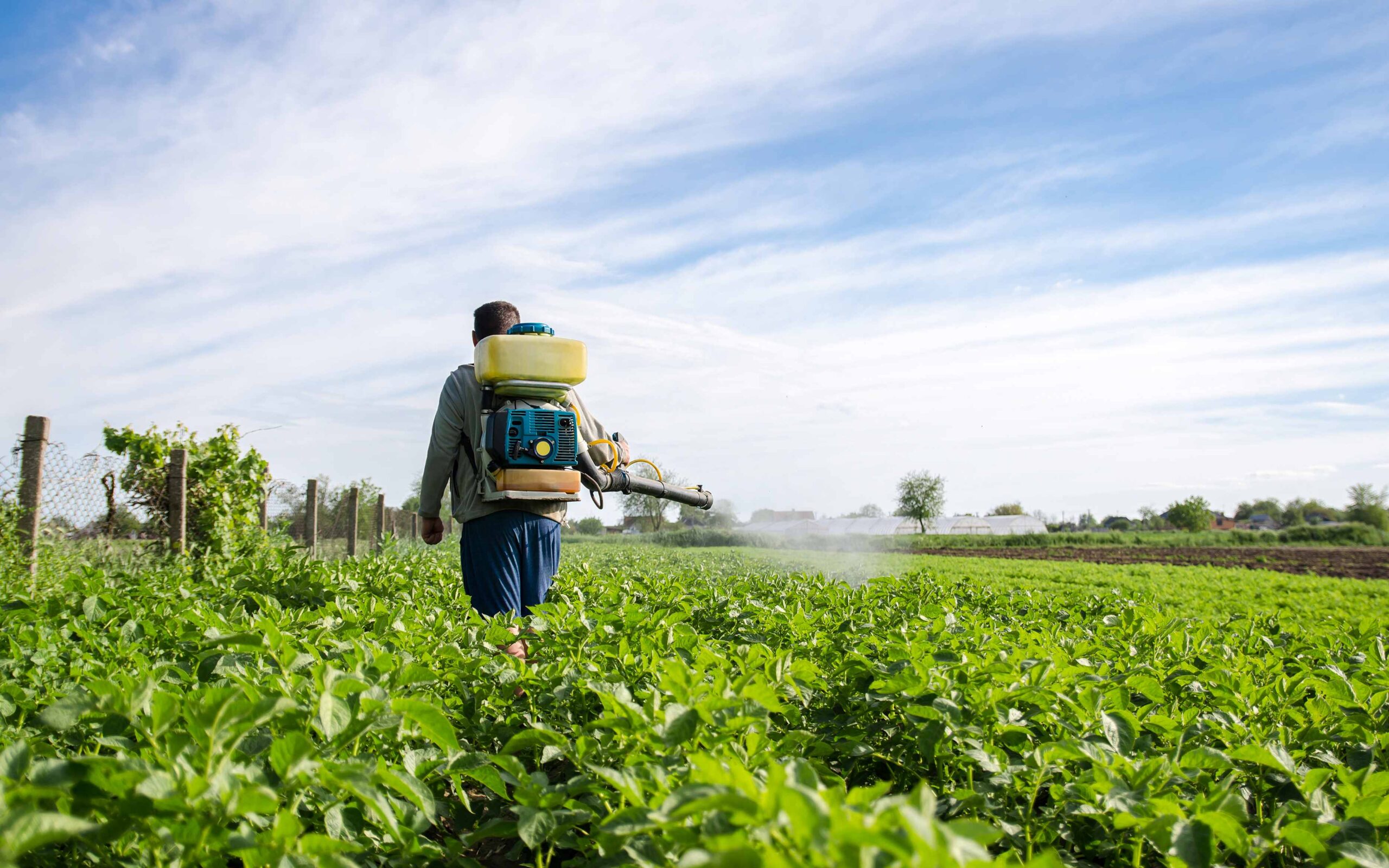
Agriculture 🌾
Energy use ⚙️
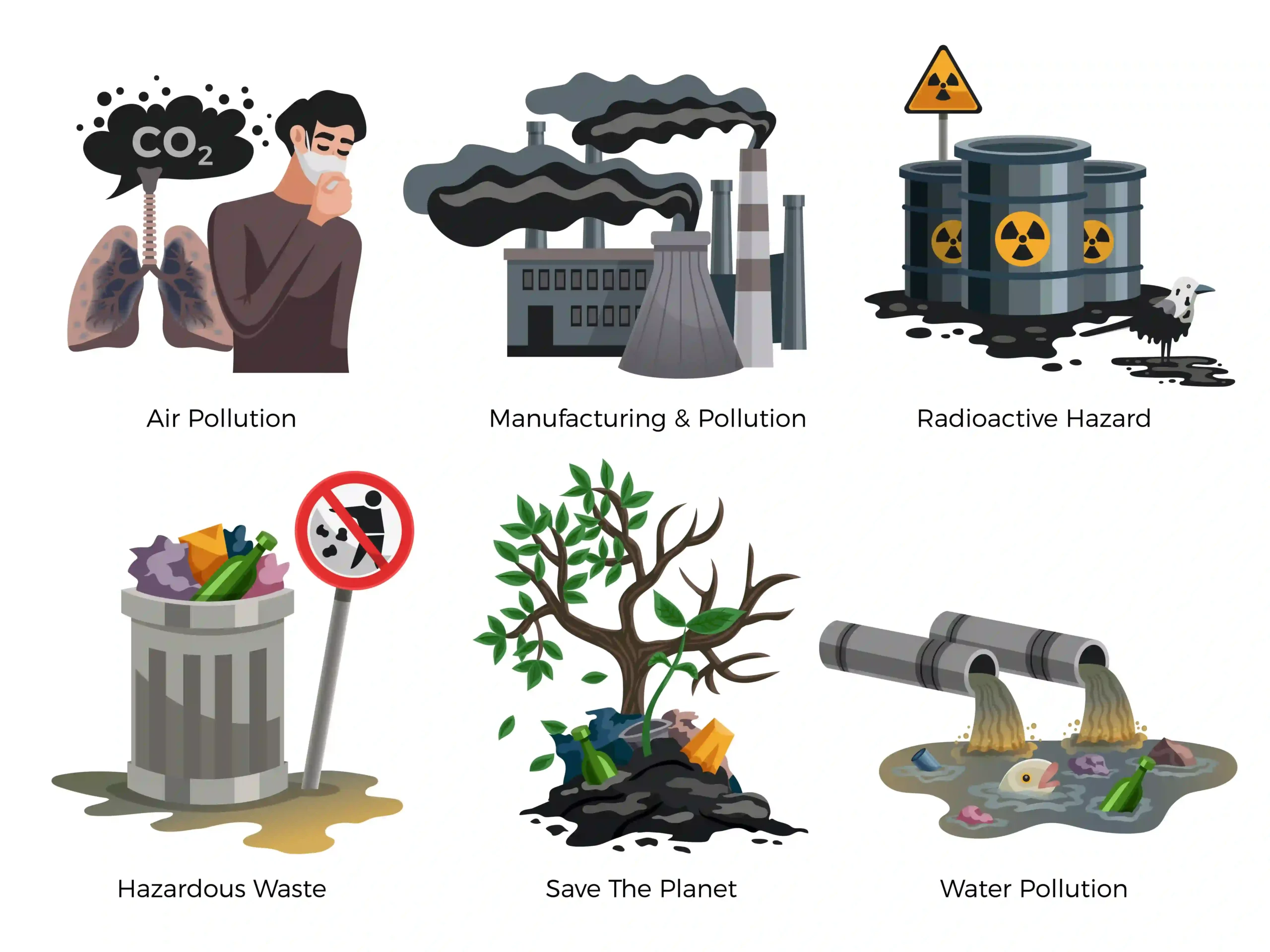
Environmental protection 🌍
🧠 Science improves quality of life.
🧭 Investigation makes science dynamic.
New evidence can change old ideas 🔄.
Science evolves continuously.
🧠 This openness makes science powerful and reliable.
📜 The investigative world of science connects curiosity with evidence.
It transforms simple questions into discoveries.
🚀 Learning investigation prepares students for advanced science and responsible citizenship.
📝 Summary of the Lesson
The investigative world of science focuses on understanding nature through systematic methods. Scientific investigation begins with observation and questioning, followed by forming a hypothesis. Experiments are designed to test the hypothesis under controlled conditions, and data is collected carefully. The data is analyzed to draw conclusions, which are then shared for verification. Scientific tools improve accuracy and reliability. Investigation encourages critical thinking, ethical practices, and evidence-based reasoning. It helps explain natural phenomena and solve real-life problems. Science remains open to change when new evidence appears, making it a continuously evolving field of knowledge.
⚡ Quick Recap
⭐ Science begins with curiosity
⭐ Observation leads to questions
⭐ Hypothesis is a testable idea
⭐ Experiments provide evidence
⭐ Data analysis leads to conclusions
⭐ Tools improve accuracy
⭐ Investigation makes science reliable
——————————————————————————————————————————————————————————————————————————–
OTHER IMPORTANT QUESTIONS
SECTION 1 — MCQs (5 Questions)
🔒 ❓ Q1. Which step comes first in scientific investigation?
🟢 1️⃣ Experimentation
🔵 2️⃣ Observation
🟡 3️⃣ Conclusion
🟣 4️⃣ Verification
✔️ Answer: 🔵 2️⃣ Observation
🔒 ❓ Q2. What is a tentative explanation based on observations called?
🟢 1️⃣ Law
🔵 2️⃣ Hypothesis
🟡 3️⃣ Theory
🟣 4️⃣ Fact
✔️ Answer: 🔵 2️⃣ Hypothesis
🔒 ❓ Q3. Why are controlled experiments important?
🟢 1️⃣ To change many variables
🔵 2️⃣ To test one factor at a time
🟡 3️⃣ To avoid observations
🟣 4️⃣ To guess results
✔️ Answer: 🔵 2️⃣ To test one factor at a time
🔒 ❓ Q4. Which skill helps in recording results accurately?
🟢 1️⃣ Imagination
🔵 2️⃣ Measurement
🟡 3️⃣ Guessing
🟣 4️⃣ Belief
✔️ Answer: 🔵 2️⃣ Measurement
🔒 ❓ Q5. Scientific conclusions should be based on:
🟢 1️⃣ Opinions
🔵 2️⃣ Evidence
🟡 3️⃣ Traditions
🟣 4️⃣ Assumptions
✔️ Answer: 🔵 2️⃣ Evidence
SECTION 2 — Very Short Answer (5 Questions)
🔒 ❓ Q6. Name the careful study of events in science.
📌 ✅ Answer: Observation
🔒 ❓ Q7. What do we call repeated testing of ideas?
📌 ✅ Answer: Experimentation
🔒 ❓ Q8. Name one scientific skill used to collect data.
📌 ✅ Answer: Measurement
🔒 ❓ Q9. What is the final step of an investigation called?
📌 ✅ Answer: Conclusion
🔒 ❓ Q10. What do scientists use to support results?
📌 ✅ Answer: Evidence
SECTION 3 — Short Answer (3 Questions)
🔒 ❓ Q11. Why is observation important in science?
📌 ✅ Answer:
🔹 Observation helps identify patterns and problems in nature.
🔸 It provides the base for forming questions and hypotheses.
🔹 Accurate observation leads to reliable scientific investigations.
🔒 ❓ Q12. What is a hypothesis and why is it tested?
📌 ✅ Answer:
🔹 A hypothesis is a tentative explanation based on observations.
🔸 It predicts possible outcomes.
🔹 Testing helps verify whether the prediction is correct.
🔒 ❓ Q13. How does measurement improve scientific accuracy?
📌 ✅ Answer:
🔹 Measurement provides exact values for observations.
🔸 It reduces errors and personal bias.
🔹 Accurate measurements lead to dependable conclusions.
SECTION 4 — Long Answer (1 Question)
🔒 ❓ Q14. Explain the steps involved in a scientific investigation.
📌 ✅ Answer:
🔹 Scientific investigation begins with careful observation of events.
🔸 Questions are asked and a hypothesis is formed.
🔹 Experiments are designed to test the hypothesis under controlled conditions.
🔸 Data are recorded through measurement and observation.
🔹 Results are analysed to draw conclusions based on evidence.
——————————————————————————————————————————————————————————————————————————–
ADVANCE KNOWLEDGE
🌍 Science Is Not Answers — It Is a Way of Thinking
Science is often misunderstood as a collection of facts written in textbooks. In reality, science is a disciplined way of asking questions about the universe. Every law, theory, and discovery began with curiosity—someone noticed something unusual and refused to ignore it.
🧠 Big idea:
Science does not start with knowledge. Science starts with curiosity and doubt.
🧠 What Does “Investigative” Really Mean?
To investigate means:
To observe carefully
To ask meaningful questions
To test ideas logically
To accept evidence over belief
🧪 Science investigation is not guessing.
It is organized curiosity guided by logic.
⭐ A scientist is not someone who knows everything, but someone who is willing to say:
“I don’t know yet—let me find out.”
👁️ Observation: The First Tool of Science
Every scientific journey begins with observation.
👁️ Observation means:
Watching carefully
Measuring accurately
Noticing patterns
Recording details
🧠 Observations can be:
Qualitative (what it looks like, feels like)
Quantitative (numbers, measurements)
⭐ Galileo’s telescope, Newton’s apple, and Darwin’s finches all began with careful observation.
⚠️ Misconception vs Reality
⚠️ Misconception: Observation means just looking
✅ Reality: Observation involves all senses and careful measurement
⚠️ Misconception: Scientists always know what they are looking for
✅ Reality: Many discoveries happen by unexpected observation
❓ Questions: The Engine of Investigation
After observation comes questioning.
🧠 Scientific questions are:
Specific
Testable
Based on observation
❌ “Why is the universe beautiful?” (not testable)
✅ “How does light affect plant growth?” (testable)
⭐ The quality of science depends on the quality of questions, not quick answers.
🧠 Hypothesis: Intelligent Guessing
A hypothesis is a possible explanation based on existing knowledge.
🧪 Important truth: A hypothesis does NOT have to be correct.
🧠 A good hypothesis:
Is logical
Can be tested
Can be proven wrong
⭐ Being wrong in science is not failure—it is progress.
🧪 Experimentation: Letting Nature Answer
Experiments are controlled ways to test ideas.
🧪 Key features of good experiments:
One variable changed at a time
All other conditions kept same
Clear measurement methods
🧠 Experiments do not prove opinions—they reveal evidence.
⭐ Nature never lies. Poor experiments do.
📊 Data: Science’s Language of Truth
Data is collected information.
📊 Data can be:
Numbers
Tables
Graphs
Observations
🧠 Data helps scientists:
Compare results
Detect patterns
Reject bias
⭐ Science trusts data, not authority.
⚠️ Errors and Uncertainty: Part of Real Science
Perfect experiments do not exist.
⚠️ Errors may occur due to:
Instrument limits
Human reaction time
Environmental conditions
🧠 Scientists calculate uncertainty to:
Improve accuracy
Avoid false conclusions
⭐ Admitting uncertainty makes science stronger, not weaker.
🔁 Repetition and Verification
One experiment is not enough.
🧠 Scientific results must be:
Repeated
Verified by others
Checked independently
⭐ A discovery becomes reliable only when anyone, anywhere can reproduce it.
🧠 Bias: The Enemy of Investigation
Bias means letting belief influence results.
⚠️ Sources of bias:
Expecting a result
Ignoring unwanted data
Emotional attachment
🧠 Science fights bias using:
Blind experiments
Peer review
Transparent methods
⭐ Science does not ask who you are—it asks what the evidence says.
⏳ History of Scientific Investigation
⏳ Ancient science:
Observation-based
Limited tools
⏳ Renaissance:
Experiments introduced
Mathematics applied
🚀 Modern science:
Advanced instruments
Computer models
Space and atomic research
⭐ Each generation improves how we investigate reality.
🧪 Tools That Changed Investigation
Scientific progress depends on tools.
🧪 Key tools include:
Microscopes (tiny world)
Telescopes (vast universe)
Sensors and detectors
Computers and simulations
⭐ Tools extend human senses beyond natural limits.
🌍 Investigation Beyond the Laboratory
Science investigation happens everywhere.
🌍 Examples:
Weather prediction
Medical diagnosis
Crime investigation
Space exploration
🧠 Even doctors and engineers follow scientific investigation methods.
🧠 Science, Technology, and Society
Scientific investigation affects society deeply.
🧠 Benefits include:
New medicines
Clean energy
Safer structures
Better communication
⚠️ But misuse of science can cause:
Pollution
Weapons
Environmental damage
⭐ Investigation must be guided by ethics and responsibility.
🚀 Modern Investigative Science
🚀 Today’s scientists investigate:
Climate change
Artificial intelligence
Space origins
Genetic diseases
🧠 Many investigations are global collaborations.
⭐ Science is no longer individual—it is collective human effort.
🌱 Young Investigators: You Are Already One
You investigate when you:
Ask “why”
Test ideas
Notice patterns
Learn from mistakes
🧠 Curiosity is not childish—it is scientific power.
⭐ Classrooms should not kill curiosity; they should train it.
⚠️ Science vs Belief
Science does not attack belief.
🧠 Science:
Explains how things work
Accepts change with evidence
⭐ Beliefs may guide values, but science guides understanding of nature.
⭐ Amazing Facts About Scientific Investigation
⭐ Many discoveries were accidental
⭐ Failure teaches more than success
⭐ Scientific laws can change with new evidence
⭐ Curiosity has no age limit
🧠 Why the Investigative World of Science Matters
Scientific investigation teaches:
Logical thinking
Patience
Honesty
Problem-solving
🧠 These skills apply far beyond science—to life itself.
🌟 Final Thought
Science is not a subject.
Science is not a book.
Science is not memorization.
🧠 Science is the courage to ask questions—and the honesty to accept the answers, even when they surprise us.
——————————————————————————————————————————————————————————————————————————–